
 English
 عربى
عربى Español
 русский
 中文简体
中文简体





A few days ago, an old friend sent me a WeChat message: "Your foam dressing is good, but when I put it on my knee, it curls up after walking a few steps. Did I buy the wrong one?"
I replied to him, "The dressing is fine, the problem is with the technique."
Many people have this problem – they buy good dressings, but after only half a day, the edges peel, shift, or even fall off. Especially now in summer, with lots of sweat, it's a matter of luck if the dressing sticks.
Today, I've compiled the techniques I've learned from clinical nurses over the years, along with the pitfalls I've encountered, into a practical guide to dressing application. Master this, and one dressing will be as effective as three.
Before applying the product, 90% of people make this step wrong.
Many people stick the sticker directly onto the packaging after opening it, which is the biggest mistake.
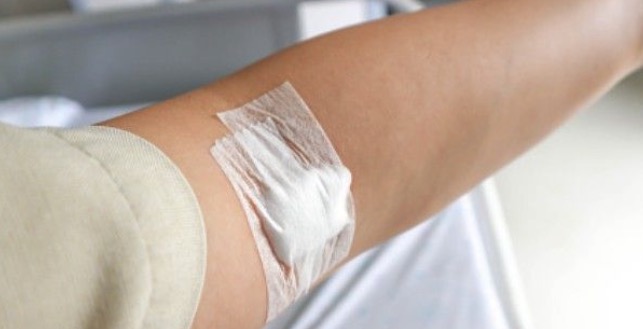
Before applying a dressing, the skin must be completely dry. I've said this countless times, but some people still don't take it seriously. If you disinfect with iodine and then apply the dressing before it's fully dry, the dressing is essentially stuck to the surface of the iodine solution—no wonder it won't stick.
The correct procedure is to wait 30 seconds to 1 minute after disinfection to allow the alcohol or iodine to evaporate completely. If unsure, run a dry, sterile cotton swab over the skin; if it feels dry, then apply the mask.
Another easily overlooked detail: **skin oil**. Some people have oily skin, or have previously applied ointment; it's best to wipe that area with a saline-soaked cotton swab before applying the dressing to remove any shine. Dressings prefer clean skin and dislike greasy residue.
How can I prevent the edges from curling when applying it to a joint?
Joints are the worst areas for dressings to fall off. Knees, elbows, and heels wrinkle easily with the slightest movement, and the wrinkles curl up at the edges.
Here's a secret technique my head nurse taught me: cutting skills.
We're used to applying dressings exactly as they come out, but you can actually make slight adjustments depending on the area. For example, when applying a dressing to the knee, you can cut the four corners of the dressing into rounded corners, as right angles tend to curl up easily, while rounded corners are much better. If the dressing is relatively large, you can also cut a small notch on both sides to make it fit the curvature of the joint better when applying it.
In addition, when applying the patches, make sure the joint is in a natural position. For example, when applying the patches to the knee, bend the leg slightly, don't apply them with the leg straight, otherwise it will tighten.
When it comes to securing joints, if you're concerned about the main dressing shifting, you can reinforce the area around the joint with **silicone gel tape**. The advantage of this tape is its strong adhesion without tearing, making it particularly suitable for frequently moving areas or for the thin skin of elderly people that tears easily.
Why do the edges curl up first?
The three most common reasons for dressings peeling off are: not pressing them properly, too much sweat, and cutting them too large.
If not pressed properly: After applying, gently press along the edge with your palm for 30 seconds, using the warmth of your palm to help the adhesive adhere better. Many people skip this step, but it is actually very crucial.
Excessive sweating: In summer, when sweating is heavy, the edges of the dressing can easily become soaked and spread. If you are prone to sweating, you can apply a thin layer of skin protectant (sometimes called a skin protective film or painless protective film) to the skin around the dressing before applying it. Let it dry before applying to prevent sweating.
Cutting too large: Many people think that the larger the dressing, the better the protection, but this is not the case. The dressing only needs to be 2-3 centimeters larger than the wound. If it is too large, it is more likely to be rubbed off because the edges are in frequent contact with clothing.
How to protect yourself while showering?
Many dressings are now waterproof, such as hydrocolloid dressings, so it's perfectly fine to shower after applying them. However, the problem is that water might seep in from the edges rather than the center.
Before showering, press the dressing along the edges again to ensure it adheres firmly. When showering, avoid directing the showerhead at the dressing and keep the water temperature low, as hot water will temporarily reduce the adhesive's strength.
After showering, immediately use a dry towel to gently pat the area around the dressing dry. Avoid rubbing back and forth, as this can easily lift the edges.
For situations requiring frequent showering or excessive sweating, silicone gel foam dressings are a good choice. Their backing is typically waterproof and breathable, the edges are well-finished to prevent rolling, and because the contact layer is silicone gel, it won't stick to the wound when changing. Even after two or three days, it's still gentle to remove.
How often should it be changed?
There is no standard answer to this question, because it depends on the amount of seepage .
Frequent changes can actually hinder healing. Many functional dressings can now be worn for 2-5 days, or even longer. For example, foam dressings for pressure ulcer patients can be changed twice a week as long as there is no leakage or odor.
However, there are a few situations in which the dressing must be changed: the edges of the dressing are peeling up; the oozing is about to reach the edges; the wound condition has changed when you remove it; or there is an unusual odor.
Why doesn't it hurt when I peel it off?
Be careful not to tear it off dry. Hold the skin next to the dressing with one hand, and slowly peel off a corner of the dressing with the other hand. Then, slowly pull it along the skin in a parallel direction, not upwards. Pulling upwards is like a tug-of-war, which can easily damage the skin; pulling horizontally is like peeling, which is much gentler on the skin.
If the dressing is stuck on very firmly, you can moisten the edges of the dressing with saline or water, wait a few minutes, and then peel it off. It will be much easier to remove.
For situations where the pain of tearing is undesirable, silicone gel dressings are the preferred choice. Whether it's silicone gel foam dressings or silicone gel tape, they share the common characteristic of being very adhesive, but when removed, the force applied is only to the dressing itself, not the skin. This is why neonatal, geriatric, and burn units particularly favor these products.
Next time you apply a dressing, try these tips. You'll find that the dressing that used to keep falling off and peeling away suddenly becomes neat and secure.
For more information on Innomed®Silicone Foam Dressing, refer to the Previous Articles. If you have customized needs, you are welcome to contact us; You Wholeheartedly. At longterm medical, we transform this data by Innovating and Developing Products that Make Life easier for those who need loving care.
Editor: kiki Jia


