
 English
 عربى
عربى Español
 русский
 中文简体
中文简体






A few days ago, while tidying up the warehouse, I found a roll of old-fashioned gauze. I suddenly remembered something a senior colleague said when I first entered the industry twenty years ago : "Don't be fooled by the variety of dressings available now. A hundred years ago, having a clean piece of gauze on the battlefield was a luxury."
Today I want to talk to you about the history of wound dressings. Not to show off my knowledge, but because understanding the origins is key to understanding why dressings are designed the way they are today, and to knowing which type to choose in which situation.
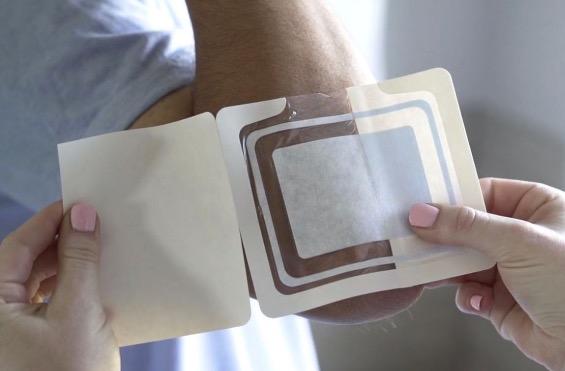
What did people in ancient times use to treat wounds?
Here's something interesting : the earliest dressings used by humans may have been readily available and around us.
Archaeological discoveries show that ancient Egyptians used honey and animal fat to treat wounds, and the natural antibacterial properties of honey are still being studied today; ancient Romans used lanolin and vinegar to treat wounds; and our ancestors' records show that leaves, moss, and wood ash were all used in the treatment.
It sounds primitive, right? But if you think about it carefully, the underlying logic of these practices is actually quite advanced : covering and protecting, absorbing exudate, and preventing infection—exactly the same three missions of modern dressings.
The true industrialization of dressings dates back to the 19th century. Dr. Lister promoted carbolic acid disinfection, and the combination of gauze and cotton became mainstream. This combination was inexpensive, absorbent, and breathable, and is still widely used today.
But gauze has an inherent problem: it dries out and becomes sticky. Exudate is absorbed, the wound dries, and new granulation tissue grows into the gauze mesh. Then, when the dressing is changed next time , the newly grown cells are torn off. This problem has plagued surgeons for over a hundred years.
Enclosed and humidified? That idea was considered a joke back then.
Fast forward to the 1960s, a scientist named Winter conducted an experiment, the conclusion of which seems commonplace today but was revolutionary at the time: wounds heal faster in a moist environment.
He conducted experiments on pigs and found that wounds exposed to air scabbed over more slowly, while the group covered with plastic film to keep them moist saw epithelial cells crawl twice as fast.
This conclusion caused an uproar in the academic community. At that time, the mainstream view was that wounds should be dry, breathable, and allowed to scab over; keeping them moist? Wouldn't that just cause them to fester?
However, later research proved Winter to be correct. Cells can only move in an aqueous environment; they cannot move when they are dry. From then on, the theory of moist healing began to be accepted, and the door to modern functional dressings was officially opened.
Dressings have evolved from the era of gauze to the era of materials.
If you've ever looked at dressing product catalogs from the 1980s and 90s, you'll find that the high-end products back then were oiled gauze . The gauze was soaked in paraffin oil, so it didn't stick together, but it also didn't absorb water. Even if there was a lot of seepage, it would still soak.
Later, advancements in materials science led to the functional specialization of dressings:
The advent of hydrocolloid dressings allowed for the simultaneous absorption of exudate and maintenance of moisture. Upon contact with exudate, it forms a gel-like pad that protects the wound without sticking to it. At that time, many pressure ulcer patients no longer had to endure the daily pain of tearing off dressings during changes.
- Alginate dressings are derived from seaweed, have amazing absorption capacity, and can also stop bleeding, making them suitable for wounds with a lot of exudate.
Foam dressings resolve the conflict between thinness and absorbency, absorbing large amounts of exudate while keeping the surface dry.
What impressed me most was the application of silicone gel technology. It was initially tested in the adhesive tape industry, but it was later discovered to be a godsend for delicate skin – it adheres well, peels off easily, and doesn't damage the skin. Our current silicone gel foam dressing combines this gentleness with the absorbency of foam, making it particularly suitable for chronic wounds requiring frequent dressing changes, such as pressure sores and leg ulcers, as well as the delicate skin of newborns and the elderly.
The emergence of antibacterial dressings
Wound infection has always been a problem. The previous approach was to frequently change dressings and disinfect the area, but disinfectants can also kill newly formed cells.
The advent of silver ion dressings has solved some of the problems. Silver has a long history of antibacterial properties; there are ancient records of using silver vessels to hold water for preservation. Incorporating it into dressings allows for the continuous release of low concentrations of silver ions, controlling bacterial growth without harming unintended bacteria like disinfectants. Especially for chronic wounds at risk of infection, it acts like a security guard, providing 24-hour protection.
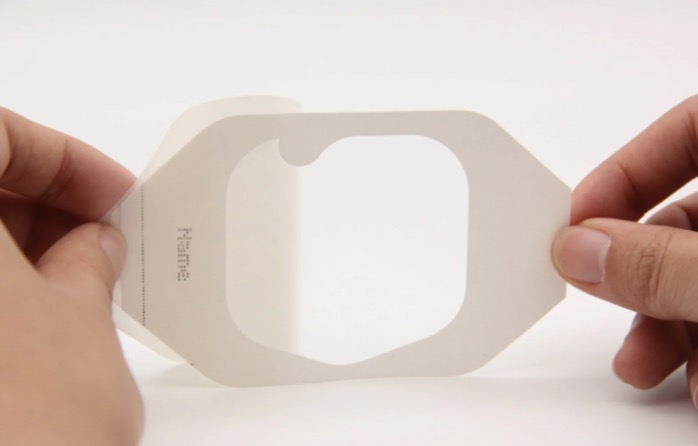
Are more expensive dressings always better?
There is no best dressing, only the most suitable one.
Hydrocolloid patches can be used while showering and are suitable for minor superficial wounds; silicone gel foam is gentle and non-sticky, making it suitable for patients who are bedridden for extended periods; silver ions have antibacterial properties, but using them on ordinary small wounds would be wasteful; as for silicone gel tape, it may simply be used to secure tubing to prevent skin damage.
Understanding this history reveals a pattern: the emergence of each new material is to solve a problem that the previous generation couldn't. From leaves to gauze, from oil-soaked gauze to hydrocolloids, from foam to silicone gels, humanity's understanding of wound care has deepened, and tools have become increasingly sophisticated. So next time you change a dressing, consider how far that dressing has come from the past to the present. And the moment you choose it, you are participating in this history in your own way.
For more information on Innomed®Silicone Foam Dressing, refer to the Previous Articles. If you have customized needs, you are welcome to contact us; You Wholeheartedly. At longterm medical, we transform this data by Innovating and Developing Products that Make Life easier for those who need loving care.
Editor: kiki Jia


