
 English
 عربى
عربى Español
 русский
 中文简体
中文简体






Mr. Zhang has had diabetes for almost twenty years. A while ago, he noticed a blister on the sole of his foot, but he didn't take it seriously. He popped it with a needle and applied some iodine. Three months later, the blister turned into a deep ulcer that exposed the bone, and he almost had to have his toe amputated.
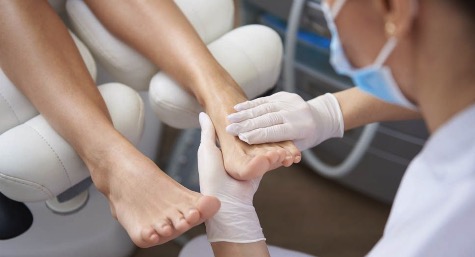
This is not an exaggeration. Stories like this happen almost daily in endocrinology and wound care centers. For diabetic patients, a small wound on the foot can be the start of a major problem .
Today, let's talk about home care for diabetic foot. This isn't meant to create anxiety, but rather to let you know that spending a few minutes each day checking your feet and doing a few small things correctly can completely prevent many tragedies.
Why are the feet of diabetic patients so delicate?
Many people don't understand: It's just a little high blood sugar, how could it cause foot problems?
There are two key reasons for this.
The first is neuropathy. Long-term high blood sugar can damage peripheral nerves, making the feet increasingly dulled. A normal person can immediately feel a sand in their shoe or a wrinkle in their sock and adjust accordingly. Diabetics can't feel it, and continue walking as usual, letting the sand rub against their feet until they get blisters without even realizing it.
The second is vascular disease. High blood sugar causes the blood vessels in the lower limbs to harden and narrow, preventing blood flow. The feet are at the farthest point of the body, so their blood supply is already poor. Once a wound is ruptured, the nutrients and oxygen needed for repair cannot be delivered, and the wound becomes a chronic leg ulcer.
These two factors combined create a breeding ground for diabetic foot ulcers: they break open without you knowing, and even when you do, they don't heal properly.
Are you doing this simple thing—washing your feet every day—correctly?
Let's start with the simplest thing: washing your feet. Many diabetics think that anyone can wash their feet, but in fact, quite a few people have experienced problems from doing so.
You must test the water temperature. Don't use your feet to test it, as your feet don't give accurate feedback. Use your elbow or have a family member test it. The safest water temperature is around 37℃, slightly lower than body temperature.
Don't soak your feet for too long. Five or six minutes is enough. Soaking for too long will make your skin swollen and soft, making it more prone to injury. After washing, gently pat your feet dry with a soft towel. Don't rub them back and forth, especially between your toes. Make sure to dry them thoroughly, but don't rub them vigorously.
After drying your feet, don't rush to put on socks. While your skin is still clean, carefully examine your feet. Check the soles, between your toes, and your heels for redness, broken skin, blisters, or cracks. Many problems are discovered in these few minutes each day.
If it's already broken, what should I do?
If you find that your foot is broken, don't panic, but don't ignore it either.
For minor abrasions or skin breaks, rinse with saline solution, gently disinfect the surrounding skin with iodine solution, and then cover with sterile gauze. Special care should be taken in this case: do not apply strong disinfectants directly to the wound, and do not use overly sticky adhesive tape to secure it.
If you need to secure the dressing and the surrounding skin is delicate, you can use silicone gel tape. It's sticky enough but won't tear the skin when you peel it off, making it especially gentle on the thin, fragile skin of diabetic patients.
If the wound is already deep, or if there is redness and excessive oozing around it, don't try to treat it yourself. Temporarily cover it with a silver ion dressing and go to the hospital as soon as possible. Silver ion dressings can control local bacteria and delay the worsening of the infection, but it's only a temporary measure, not a cure.
Another situation is when the wound is not deep, but located in a pressure-prone area such as the sole or heel. In such cases, silicone gel foam dressings are very suitable. They can cushion pressure, absorb exudate, and the contact layer does not stick, so they will not tear off newly grown granulation tissue when changing the dressing.
But there's a red line: if the area around the wound turns black, has an odor, oozes pus, or if your foot feels cold, is in severe pain, or is numb, don't hesitate, go to the hospital immediately. At that point, time is of the essence.
These few minutes each day can save you a lot of trouble.
Ultimately, home care for diabetic foot boils down to two things: prevention and detection.
Take a closer look at your feet when you wash them each day, feel inside your shoes before putting them on to check for any foreign objects, choose the right socks, wear the right shoes, and keep your blood sugar under control. These things may sound trivial, but each one adds an extra layer of protection to your feet.
I've seen elderly people who diligently check their feet every day, promptly discovering a small cut and healing it with just a few dressings. I've also seen people who don't take things seriously, ending up in the hospital for months and losing their toes.
Our feet have been with us for decades, and as we get older, we need to treat them even better. Starting today, spend five minutes each day looking at them; once this habit is formed, it's more effective than any medicine.
For more information on Innomed®Silicone Foam Dressing, refer to the Previous Articles. If you have customized needs, you are welcome to contact us; You Wholeheartedly. At longterm medical, we transform this data by Innovating and Developing Products that Make Life easier for those who need loving care.
Editor: kiki Jia


