
 English
 عربى
عربى Español
 русский
 中文简体
中文简体






People who hear about silver ion dressings for the first time usually ask two questions: What are silver ions? And how are they different from ordinary gauze?
To answer this question, we must first talk about silver itself. Ancient people had a long-standing habit of using silver utensils to hold water and silver spoons to feed babies. Back then, people didn't know what bacteria were; they only knew that this prevented things from spoiling and children from getting diarrhea. Modern medicine later discovered that silver ions have an inhibitory effect on bacteria, and this effect is quite broad.
However, incorporating silver into dressings is a relatively recent development, occurring only in the last few decades. Today, let's discuss the most frequently asked question about silver ion dressings: what are their uses, when should they be used, and when is it unnecessary?
How do silver ion dressings work?
Let me explain the principle first, keeping it as simple as possible.
Silver ion dressings are not simply silver powder sprinkled on gauze; rather, silver is bonded to the dressing using a specific technology. Upon contact with wound exudate, they continuously release low concentrations of silver ions. These silver ions do two things: first, they disrupt the cell walls of bacteria, making it impossible for them to survive; second, they interfere with the bacterial reproduction process, preventing them from passing on their genes from generation to generation.
The key is this sustained release. Ordinary disinfectants have a high bactericidal rate when applied, but they evaporate after a while. Silver ion dressings are different; they can be worn for several days, maintaining a low-concentration antibacterial environment throughout, essentially providing the wound with a 24-hour security guard.
Furthermore, silver ions have a broad antibacterial spectrum, effective against common wound infection pathogens such as Staphylococcus aureus, Escherichia coli, and Pseudomonas aeruginosa. They also have a certain inhibitory effect on some stubborn drug-resistant bacteria.
When is it appropriate to use silver ion dressings?
This is the most important question. Silver ion dressings are good, but not all wounds need them.
The most suitable wounds are those at risk of infection or those that are already mildly infected. For example, diabetic foot ulcers have poor blood supply, heal slowly, and bacteria can easily multiply inside. Pressure sores (bedsores) are another example; wounds in bedridden patients that are left untreated for a long time inevitably develop an odor and yellow pus. Burn wounds, especially large ones with significant exudate, have a high risk of infection. Also, wounds that are left untreated for several days after an injury may appear unclean.
In these situations, silver ion dressings act as an extra layer of protection for the wound. They control the local bacterial load, giving the body's own repair cells time and space to heal.
I saw a case of diabetic foot ulceration. The patient had a small ulcer on the sole of their foot that hadn't healed for two months; the surrounding area was red, and the oozing fluid was somewhat cloudy. After cleaning the wound, the doctor covered it with a silver ion dressing, changing it every three days. Two weeks later, the wound was noticeably cleaner, and then a regular foam dressing was used to allow granulation tissue to grow. Without this step to control the infection, it might have gotten much deeper.
In what situations is it unnecessary to use silver ion dressings?
Conversely, it's also important to clarify when it's not necessary to use it.
For minor scrapes and cuts that are clean and show no signs of infection, there's absolutely no need to use silver ion dressings. For example, if you cut your finger while chopping vegetables, rinsing it with water, disinfecting it with iodine, and applying a band-aid or hydrocolloid dressing is sufficient. Using silver ion dressings is like using a sledgehammer to crack a nut—a waste of money and offering no additional benefits.
Another situation is when the wound is clearly infected, with abscesses, necrotic tissue, and a particularly strong odor. In this case, silver ion dressings are insufficient; debridement is necessary to remove the necrotic tissue before using dressings to assist in controlling the infection. Silver ion dressings are supplementary, not the primary treatment.
Additionally, this product should not be used by people allergic to silver. Although silver allergies are rare, they do occur. If the area around the wound becomes more red and itchy after use, discontinue use immediately.
If silver ion dressing is used, is it necessary to change the dressing?
Yes, it's necessary. Silver ion dressings aren't something you can just apply and then leave unattended.
The frequency of dressing changes depends on the amount of exudate and the condition of the wound. With heavy exudate, it may need to be changed daily; with less exudate, it may need to be changed every two or three days. Each time you change the dressing, observe the wound for changes. If the wound becomes cleaner and the granulation tissue becomes more vibrant red, it indicates the treatment is on the right track. If the redness and swelling worsen, exudate increases, or there is an unusual odor, it means the condition is out of control and you need to go to the hospital for treatment.
A word of caution: silver ion dressings should not be reused with silver-containing disinfectants. Some people are accustomed to disinfecting with iodine solution first, then applying silver ion dressings, but this is unnecessary and may even cause interference. Generally, simply rinse the wound with saline solution, dry the surrounding skin, and then apply the dressing directly
How should silver ion dressings be combined with regular dressings?
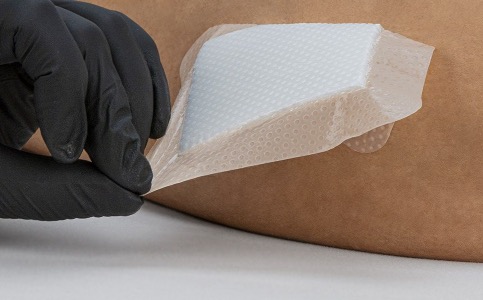
In actual nursing care, silver ion dressings are often used in stages. They are used to control the risk of infection during the period when the wound is clean and enters the granulation phase, and then can be switched back to ordinary moisturizing dressings, such as silicone gel foam dressings.
The latter is responsible for creating a moist healing environment for the wound, preventing adhesion and irritation, allowing granulation tissue to grow quietly. At this point, using silver ion dressings is unnecessary.
For some slow-healing wounds, a layer of foam dressing is placed over the silver ion dressing to increase absorption and cushion pressure. This combination is common in the care of pressure ulcers and diabetic foot ulcers.
Do I need to keep silver ion dressings at home?
There is no standard answer to this question; it depends on the family's circumstances.
If you have a diabetic patient, an elderly person who is bedridden for a long time, or someone who is prone to injuries due to frequent outdoor activities, it's helpful to have one or two silver ion dressings on hand. They can be used promptly in case of a wound that hasn't healed for several days or an injury that doesn't look very clean.
However, for ordinary households, if there are only occasional minor abrasions, hydrocolloid dressings and silicone gel foam dressings are sufficient. Silver ion dressings are more targeted and do not need to be kept on hand by everyone.
I keep two pills in my first-aid kit, not for everyday use, but just in case. It's a bit like having a fire extinguisher – you hope you'll never need it, but it has to be there when you really need it.
Silver ion dressings represent a significant advancement in wound care. They combine the antibacterial properties of silver with the moisturizing, absorbent, and non-sticky characteristics of modern dressings, offering another option for wounds prone to infection and difficult to heal.
But it's not a panacea; it's not something you can apply to every wound. Used correctly, it's a helper; used incorrectly, it's just decoration.
The next time you see silver ion dressings, you should know how to choose them and when to use them.
For more information on Innomed®Silicone Foam Dressing, Refer to the Previous Articles. If you have customized needs, you are welcome to contact us; You Wholeheartedly. At longterm medical, we transform this data by Innovating and Developing Products that Make Life easier for those who need loving care.
Editor: kiki Jia


