
 English
 عربى
عربى Español
 русский
 中文简体
中文简体





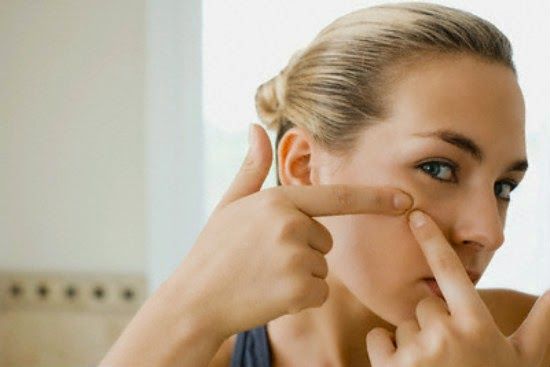
With the Lunar New Year just around the corner, gatherings and meals are in full swing, with hot pot, barbecue, and milk tea being served one after another. Before you know it, a few red, swollen pimples will appear on your face, which can really affect your mood and appearance. Many people will immediately think of using acne patches, but are they really effective? Actually, to understand acne patches scientifically, we need to first understand their nature.
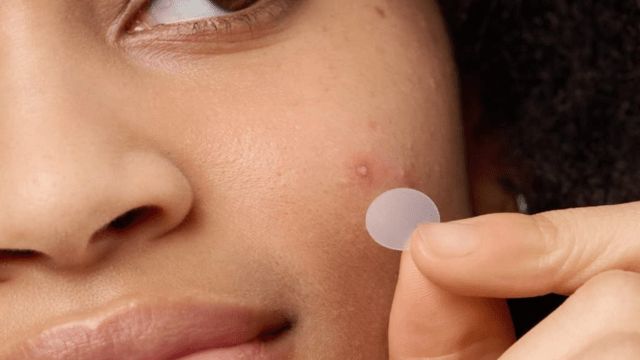
From a medical perspective, most acne patches on the market work on a similar principle to small, functional wound dressings specifically designed for acne lesions. Their primary function is physical isolation and protection. When a pimple has broken open, creating a tiny wound, applying an acne patch effectively isolates it from external bacteria and contaminants, preventing secondary infection caused by finger contact or environmental dust. Simultaneously, it provides a relatively closed and moist healing environment, which helps accelerate skin repair and reduces the likelihood of scarring. For pimples that have already developed whiteheads or are oozing fluid, it can also absorb some of the secretions, keeping the area clean.
However, acne patches are not a cure-all. For deep, unbroken closed comedones or inflammatory papules—those red, hard lumps buried under the skin—acne patches have very limited effectiveness because they cannot draw out the deep inflammation. Forcing their use in these cases may actually worsen the blockage of hair follicles due to the sealed environment. Therefore, acne patches are more suitable for treating open or broken pimples.
Besides acne patches, we can also use other professional wound care products to treat minor wounds in daily life. For example, self-adhesive elastic bandages are very useful for treating minor abrasions on joints and other mobile areas. They have a certain degree of elasticity, can conform to the flexion and extension of joints, are not easy to fall off, and can apply even pressure, which helps to stop bleeding and fix the dressing, while also being breathable. For some small superficial abrasions or cuts, using functional wound dressings, such as hydrocolloid dressings or foam dressings, is more advantageous than traditional gauze. They can absorb exudate, keep the wound moist, promote healing, and are less likely to stick to new granulation tissue when changing, reducing pain and re-injury.
Therefore, when dealing with skin problems, whether it's acne or minor wounds, the key is to accurately assess the situation and choose the right products. For broken pimples, acne patches are beneficial as a simple protective dressing; for other types of acne, other medications or professional treatments may be necessary. For minor everyday wounds, knowing about and having some hydrocolloid acne patches and various functional wound dressings on hand allows for more scientific and effective care. Keeping the skin clean and avoiding improper squeezing are fundamental to preventing the problem from worsening. For more information on Innomed®Acne Plaster, refer to the previous articles. If you have customized needs, you are welcome to contact us; You Wholeheartedly. At long-term medical, we transform this data by innovating and developing products that make life easier for those who need loving care.
Editor: kiki Jia


