
 English
 عربى
عربى Español
 русский
 中文简体
中文简体






With the Lunar New Year approaching, gatherings and parties will increase, inevitably involving hot pot and barbecue. In the midst of the lively atmosphere, it's common to get burned or cut on the hand. Once a wound appears, many people immediately panic, and the first question that pops into their minds is: can this wound get wet? After all, it's difficult to completely avoid getting it wet during daily washing and bathing.
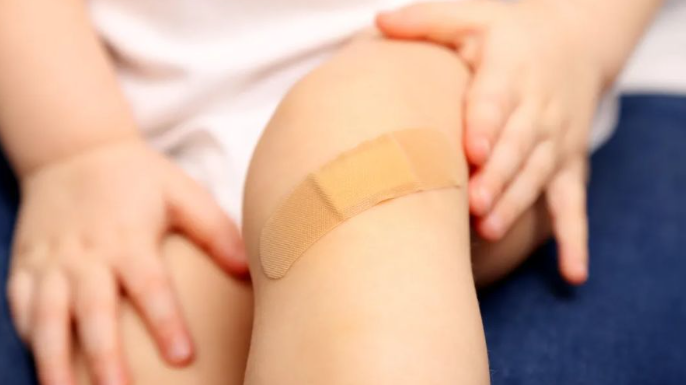
Traditional belief holds that wounds should never get wet, as this will lead to infection. While this has some merit, it's not entirely accurate and requires scientific assessment based on the type and stage of the wound. Moisture itself isn't the culprit; the problem lies with unclean water, such as tap water, river water, or sweat, which may contain bacteria and other microorganisms. If these microorganisms contaminate the wound, they can cause infection. Furthermore, prolonged immersion of a wound in a damp environment can soften and whiten the surrounding skin, a condition known as maceration, which weakens the skin barrier and hinders healing.
The key is not the water itself, but how to manage the moist environment around the wound. For very superficial, small abrasions or cuts, if the water is clean, rapid rinsing can actually help wash away surface contaminants and is beneficial. After rinsing, immediately pat dry with clean gauze or cotton swabs and cover with a sterile dressing for protection. However, for deeper, larger wounds, wounds that have been sutured, or wounds with significant redness, swelling, or oozing, unnecessary soaking should be strictly avoided, especially in the early stages of healing.
So, what are some good solutions if you need to keep your wound clean and dry but can't avoid daily contact with water, such as showering or washing your hands? This is where modern wound care products come in handy. Transparent film dressings are a particularly practical option. A transparent film dressing is a thin, breathable polyurethane film that is waterproof and antibacterial while allowing water vapor to pass through. When used, it completely covers the wound and a sufficiently large area of surrounding healthy skin, forming a reliable physical barrier during showering or handwashing, effectively preventing the intrusion of unclean moisture. After washing and drying the surrounding area, the dressing itself usually remains intact and sealed. This film also maintains a suitable moist healing environment for the wound, reducing tearing damage to new tissue when changing dressings. It's also easy to observe because it's transparent; you can directly check the wound's healing progress through the dressing, such as for redness, swelling, or abnormal exudation, without having to frequently remove it.
Besides using waterproof dressings, there are other methods to address the issue. For example, while showering, you can wrap plastic wrap tightly around the dressing several times and seal the edges with tape. This can provide temporary waterproofing, but it's not as reliable as a dedicated dressing. If the wound is on the limbs and your doctor permits it, you can consider a sponge bath, avoiding the wound area. Most importantly, if the dressing becomes wet, curls, or becomes contaminated, it should be removed immediately following aseptic techniques. The wound should be cleaned and disinfected before replacing it with a new, dry dressing.
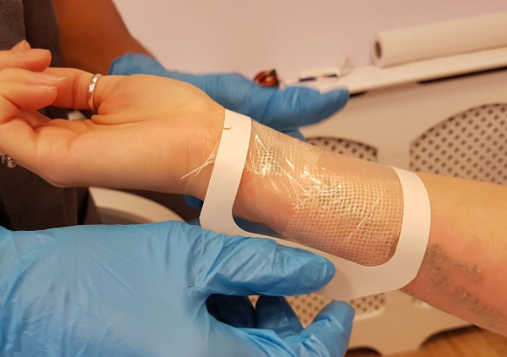
With modern wound care products like transparent dressings, we can navigate daily life more flexibly and safely, maintaining a healthy environment for wound healing while also preserving basic personal hygiene. For any uncertain wound conditions, especially deep wounds, animal bites, or wounds showing signs of infection, consulting a doctor or professional is always the safest course of action. For more information on Innomed® Transparent Dressing Green-Squares, refer to the previous articles. If you have customized needs, you are welcome to contact us; you wholeheartedly. At long-term medical, we transform this data by innovating and developing products that make life easier for those who need loving care.
Editor: kiki Jia


