
 English
 عربى
عربى Español
 русский
 中文简体
中文简体






Wound healing is a dynamic process, and changes in the color of the wound surface directly reflect the healing stage and potential problems. Learning to observe and distinguish different colored wound surfaces can help us more accurately determine the timing of care and medical attention.
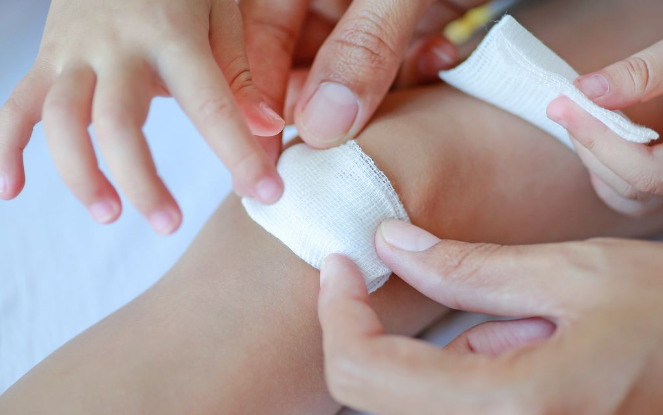
A red wound typically indicates healthy granulation tissue, marking the beginning of the proliferative phase of the healing process. This type of wound is bright red or pink, soft in texture, and may have a finely granular surface. A small to moderate amount of exudate from a red wound is normal during the healing process. The goal of treatment is to protect this newly formed, fragile tissue by maintaining a warm, clean, and moderately moist environment. At this stage, dressings that provide a moist healing environment are suitable, such as thin hydrocolloid dressings, semi-permeable membrane dressings, or moderately absorbent foam dressings. These dressings prevent the granulation tissue from drying and dying, and promote the migration and growth of epithelial cells from the wound edges. Avoid frequent rinsing with disinfectants that may damage the newly formed tissue; saline solution is recommended for cleaning.
A yellow wound indicates the presence of necrotic tissue or fibrinous exudate. This yellow substance may be a thick, serous secretion or relatively soft necrotic tissue. This color suggests that the healing process has stalled and intervention is needed to remove these obstructions. The core of the treatment is gentle, gradual debridement. For soft, yellow necrotic tissue, autolytic debridement methods can be used, such as hydrocolloid dressings, hydrogel dressings, or hydrophilic fiber dressings. These dressings provide moisture, softening and liquefying necrotic tissue, allowing the body's own enzymes to remove it. For yellow wounds with more exudate, highly absorbent dressings such as alginate dressings, hydrophilic fiber dressings, or foam dressings are more suitable, as they absorb exudate while also aiding in debridement. If there is a large amount of tightly adhered yellow tissue, mechanical debridement by a professional may be necessary.
A black eschar indicates full-thickness skin necrosis, forming a dry, tough eschar. Black eschars are an excellent culture medium for bacterial growth and hinder the healing of the underlying tissue. The key to treatment is removing this necrotic tissue. For small, dry, stable black eschars, sometimes it's possible to wait for them to separate spontaneously, but active debridement is usually necessary. Surgical debridement is the most direct and rapid method. In conservative treatment, autolytic debridement can be performed using hydrogel dressings; the hydrogel is highly hydrating and effectively softens the dry eschar. Afterwards, depending on the wound's condition, dressings can be switched to those for yellow or red wounds.
Wounds with a mixture of red and yellow, or black, yellow, and red hues, are more common in practice. This indicates that the wound is at different stages of healing or that necrotic tissue and healthy tissue coexist. The treatment principle is to treat different areas separately, using dressings with different properties for different colored areas, or choosing dressings with multiple functions. For example, for wounds with a mixture of red and yellow hues and moderate exudate, hydrophilic fiber dressings or certain composite foam dressings are good choices, as they can absorb exudate, soften yellow necrotic tissue, and protect red granulation tissue.
If the wound appears abnormally dark red, purplish-black, or its color deepens rapidly, it may indicate impaired blood circulation. An abnormal green, grayish-brown color, or a foul odor often indicates a specific bacterial infection. When the skin around the wound shows a marked spread of bright red, increased swelling, and is accompanied by systemic symptoms such as pain and fever, an infection such as cellulitis may have occurred, requiring immediate medical attention.
Observing wound color is a fundamental step in wound assessment. Understanding the pathophysiological significance behind the color allows us to move beyond the old notion of simply covering the wound and instead adopt precise care strategies based on wound characteristics, thereby effectively promoting healing. For complex or slow-healing wounds, it is essential to seek professional help from a wound therapist or physician. For more information on Innomed® Super Absorbent Dressing , please refer to the previous articles. If you have customized needs, you are welcome to contact us; you wholeheartedly. At long-term medical, we transform this data by innovating and developing products that make life easier for those who need loving care.
Editor: kiki Jia


