
 English
 عربى
عربى Español
 русский
 中文简体
中文简体






Minor accidents are inevitable in life. Knowing the correct first aid methods can not only alleviate pain but also effectively promote wound healing and reduce the likelihood of scarring. The following five common household accident treatments are based on modern wound care concepts and are recommended for future reference.
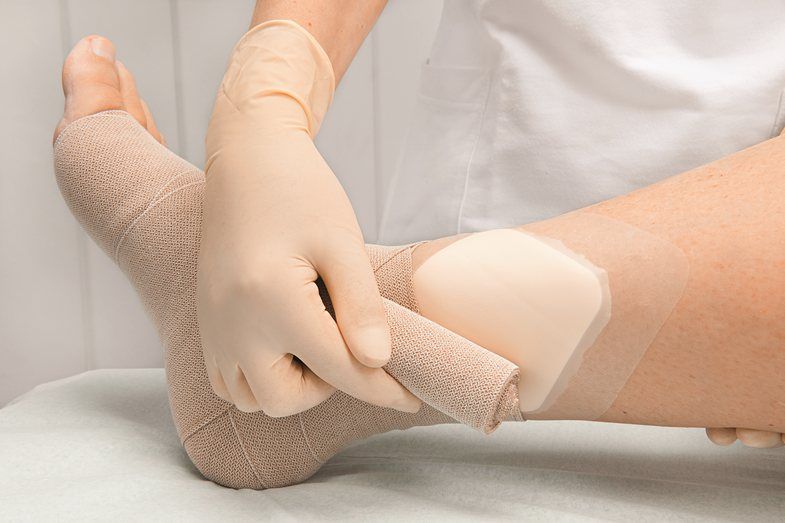
Cuts are the most common type of wound in households, whether it's a knife cut while cooking or a cut from the edge of paper. To treat them, first gently rinse the wound with running water or saline solution to remove surface dirt and bacteria. Then, apply direct pressure to the bleeding site with clean gauze or cotton cloth for 10 to 20 minutes to stop the bleeding. After the bleeding has stopped, for clean wounds, you can apply a thin layer of petroleum jelly to lock in moisture; if the wound is at risk of contamination, you can apply a small amount of antibiotic ointment such as mupirocin. Finally, cover with sterile gauze and secure with tape. Modern care recommends using functional wound dressings, such as thin hydrocolloid dressings, which provide a moist healing environment, accelerate epidermal cell migration, and are waterproof and antibacterial, and do not easily stick to new tissue when changing dressings. Note that for clean, superficial cuts, avoid direct rinsing with hydrogen peroxide, alcohol, or iodine, as these are toxic to cells and may delay healing. If the wound is deep, bleeding is persistent, the edges are open, or there are signs of infection such as increased redness and swelling, pus discharge, or fever, you should seek medical attention immediately.
The key to treating burns is rapid cooling. Immediately rinse the burn with running cool water for 15 to 20 minutes to remove heat and reduce damage to deeper tissues. Carefully remove clothing from the burn area; do not forcibly tear off any clothing that is stuck. Gently pat dry after rinsing. For first-degree (redness) and superficial second-degree (blisters) burns, moist wound healing is the preferred approach. Use moist wound dressings specifically designed for burns, such as foam dressings or hydrocolloid dressings. These dressings effectively absorb exudate, maintain adequate moisture in the wound, significantly reduce pain, and lower the risk of scarring. Do not apply foreign substances such as toothpaste or soy sauce, and do not attempt to pop blisters. If the burn area is larger than the palm of your hand, involves the face, hands, feet, joints, or is pale or charred black, seek immediate medical attention.
Abrasions are common after falls. Wash the wound and surrounding skin thoroughly with running water and mild soap to remove sand and dirt. Pat dry with gauze after washing. For abrasions with exudate, applying petroleum jelly or antibiotic ointment and covering with non-stick gauze is an option. A better choice is to use hydrocolloid dressings or thin foam dressings. These moist healing dressings provide a protective barrier for the wound, absorb excess exudate, create a microenvironment conducive to healing, and are less likely to cause secondary damage when changing dressings. Avoid using cotton balls or wadding materials in direct contact with the wound.
Sprains most commonly occur in the ankle and wrist. Follow the RICE principle: Rest – immediately stop activity; Ice – apply an ice pack wrapped in a towel to the injured area for 15-20 minutes, several times a day; Compression – apply a moderately applied elastic bandage to reduce swelling; Elevation – elevate the injured area above heart level. If the pain is severe, you cannot bear weight, or there is joint deformity, be alert for a fracture and seek medical attention.
For foreign body injuries such as splinters or glass shards embedded in the skin, if the object is partially exposed and shallow, use sterilized tweezers to gently pull it out in the direction it entered the skin. Then thoroughly clean the wound, apply ointment, and bandage it. If the object is deeply embedded, difficult to remove, or if the injury is caused by rusty metal, do not attempt to remove it yourself. Cover the wound with clean gauze, avoid applying pressure, and seek immediate medical attention to determine if a tetanus shot is necessary.
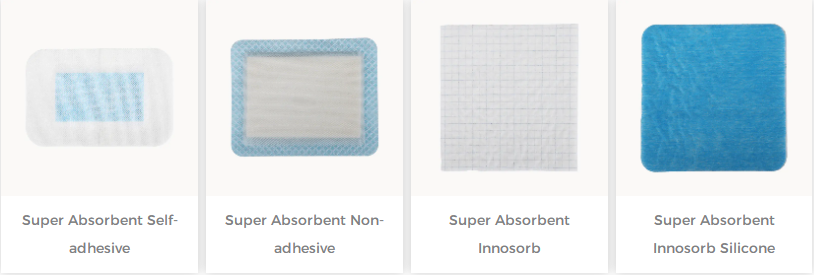
In addition to standard items like sterile gauze, bandages, adhesive tape, saline solution, and antibiotic ointment, a home first-aid kit is recommended to include several core functional wound dressings, such as hydrocolloid dressings and foam dressings, to address different wound conditions. Understanding these methods allows for scientific and effective initial treatment in the event of an accident, laying a solid foundation for subsequent recovery. If you have customized needs, you are welcome to contact us; You Wholeheartedly. At longterm medical, we transform this data by innovating and developing products that make life easier for those who need loving care.
Editor: kiki Jia


