
 English
 عربى
عربى Español
 русский
 中文简体
中文简体






A few days ago, a friend accidentally cut his finger while cooking. He quickly pressed it with a tissue to stop the bleeding and then left the wound open, saying it would dry and heal faster that way. Two days later, the edges of the wound hardened, a thick scab formed, and it hurt when he touched it, with some redness and swelling. This is actually a typical way many people treat small wounds, believing that leaving the wound dry and scab over is the correct way to heal. However, modern wound care science holds the opposite view. For most common wounds, healing in a moderately moist environment is often faster, better, and less likely to leave scars than dry scab formation.
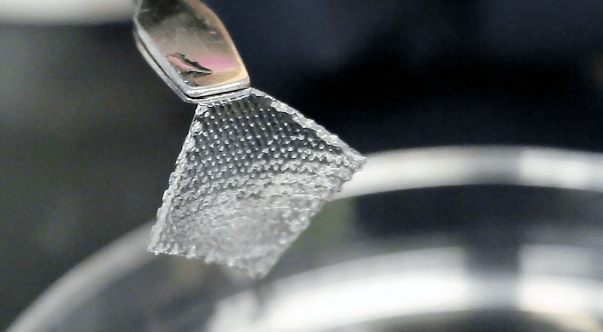
The traditional concept of air-drying and scabbing stems from intuitive life experience. People see a scab on a wound and assume it's a protective layer. In reality, a scab is a hard shell formed by the drying of oozing blood and tissue fluid. While it does offer some protection against external contamination, it is fragile and not breathable. In a dry environment, new epidermal cells struggle to grow and move beneath the scab. Any movement that causes the scab to crack not only results in pain but can also cause secondary damage and delay healing. Furthermore, a dry environment easily leads to dehydration and death of cells at the wound edges, forming dry, hardened tissue edges.
Modern moist wound healing theory states that a clean, moderately moist environment is most conducive to cell migration and growth. In this environment, various growth factors are more active, accelerating the formation of granulation tissue and epithelium. A moist environment also prevents the formation of a dry scab on the wound surface, avoiding tearing of new tissue during dressing changes, thus reducing pain. The key to achieving moist wound healing lies in using the correct functional wound dressing. These dressings, also known as moist wound dressings, absorb excess exudate while locking some moisture in the wound surface, creating and maintaining an ideal micro-moist environment.
There are many types of common moist wound dressings suitable for different wound conditions. For example, for wounds with a small to moderate amount of exudate, hydrocolloid dressings or foam dressings are good choices. Hydrocolloid dressings form a soft gel to protect the wound surface; foam dressings have high absorbency, keeping the wound surface moist while keeping the surrounding skin dry. For superficial wounds with very little exudate, such as the friend's finger cut, thin hydrocolloid dressings or transparent film dressings are sufficient. They moisturize while isolating external bacteria, and their semi-transparent or transparent nature makes it easy to observe the healing process. For abrasions or burns with a small amount of exudate, highly absorbent dressings such as alginate dressings or hydrophilic fiber dressings can absorb the exudate to form a gel, maintaining a moist environment without sticking to the wound surface.
When using these dressings, it's important to change them regularly, but more frequently isn't necessarily better. The frequency should be determined based on the type of dressing and the amount of wound exudate, and they can usually last for one to three days. The dressing needs to be changed when it becomes saturated or when exudate leaks from the edges. When changing the dressing, if it's not stuck to the wound, it can be easily removed; if it's slightly stuck, it can be moistened with saline solution before gently peeling it off.
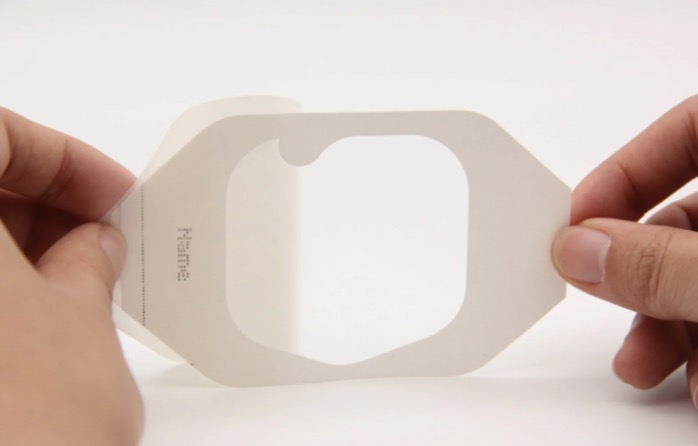
For minor everyday wounds, understanding and choosing appropriate functional wound dressings to keep the wound adequately moist is a more scientific and effective approach. Of course, if the wound is large, deep, heavily contaminated, or shows signs of infection, seek medical attention promptly for professional cleaning and treatment. A proper understanding of the principles of moist wound healing and the proper use of modern dressings can help wounds heal faster, more comfortably, and reduce the chance of scarring. For more information on Innomed® Hydrocolloid Dressing Ultra-thinrefer to the previous articles. If you have customized needs, you are welcome to contact us; You Wholeheartedly. At long-term medical, we transform this data by innovating and developing products that make life easier for those who need loving care.
Editor: kiki Jia


