
 English
 عربى
عربى Español
 русский
 中文简体
中文简体





When you're out and about, the worst thing is to get bumped or bruised, and then you don't even have anything decent to hold onto.
At home, the first-aid kit has everything you need. Traveling is different; your suitcase only has so much space, you can't possibly bring all your home gear. But if something really happens, band-aids aren't a cure-all. If you get a blister, a scrape, or even just a cut, and all you have are dry band-aids, they won't stick, and they're painful to remove—it's a real mess.
Today, let's talk about how to prepare a wound dressing kit for travel. It doesn't take up much space or add much weight, but it can be incredibly useful when you actually need it.
What's the most effective treatment for blisters on the feet?
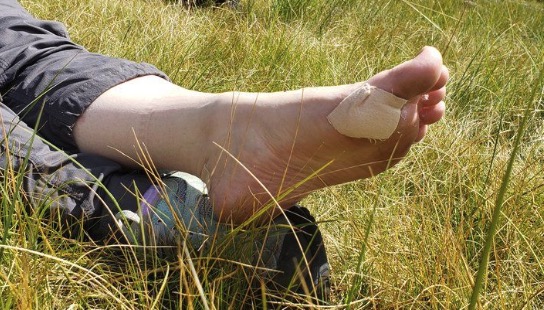
When traveling, walking is a common activity. New shoes, long distances, and strenuous walking often result in blisters on the heels, a problem almost everyone has experienced.
The worst thing about dealing with blisters is improper treatment after popping them, which can make it impossible to walk the next day. It's also bad if they don't break but cause painful chafing, making every step feel like torture.In this situation, hydrocolloid heel dressings are the first choice. They are thin and almost imperceptible once applied, yet provide excellent cushioning and reduce friction. If blisters have already formed, apply the dressing to protect unbroken blisters, and apply it to broken blisters as well. It absorbs a small amount of exudate, forming a gel-like protective layer that won't stick when changing the dressing.
Moreover, the hydrocolloid material is waterproof, so you can shower and wade in water without worry after applying it. This feature is especially important for feet that need to be washed and walked around every day while traveling.
Prepare several pads of different sizes; the large ones are for the heels, and the small ones are for the toes. This should cover most situations where your feet rub.
What should I bring for an emergency if I fall and scrape my skin?
Walking without watching where you're going can lead to tripping, falling, and scraping your knees and palms. These injuries aren't serious, but if not treated properly, they can cause discomfort for days afterward.
Regular bandages don't cover the wound properly, and gauze with tape tends to fall off easily, plus there's a risk of it sticking to the wound.
This is where silicone gel foam dressings come in handy. Slightly thicker than hydrocolloid dressings, they offer better cushioning and are suitable for areas prone to secondary impacts, such as knees and elbows. The contact layer is silicone gel, which doesn't stick to the wound at all, making dressing changes painless. It's waterproof on the outside and absorbent on the inside, so one dressing can last for several days without needing to be changed.
If the wound is small and in a flat area, hydrocolloid dressings are also acceptable. However, for wounds near joints or larger areas, silicone gel foam dressings are a safer option.
Having two or three medium-sized pads on hand should be enough to handle an accidental abrasion.
What can I wear to stop the bleeding from cuts and lacerations?
Cooking, opening canned food, or even getting scratched by a roadside branch while traveling can all result in bleeding.
For minor cuts, hydrocolloid dressings are sufficient. However, if the wound is deep or bleeding, it's necessary to stop the bleeding first.
At this point, one or two **alginate dressings** can be used. They have good hemostatic properties, absorb exudate, and form a gel without sticking together. For accidents requiring hemostasis before continuing the journey, they are more reliable than ordinary gauze.
However, an additional layer of adhesive tape is needed over the alginate dressing for fixation. If the wound is small, a hydrocolloid or silicone gel foam dressing is sufficient; the alginate dressing is kept on hand just in case.
What kind of dressing can be used to secure the skin without damaging it?
When you're out and about, sometimes it's not the dressing that's the problem, it's the tape.
Regular tape is too sticky, causing pain when peeling it off; if it's too weak, it falls off after a few steps. Furthermore, some people have sensitive skin; after wearing tape for a day, the area around the wound becomes red and itchy, making them want to scratch, which actually worsens the wound.
Silicone gel tape is the best option for solving this problem. It sticks well but doesn't tear or irritate the skin when peeled off, and it's easy to remove. It also minimizes discomfort to the surrounding skin when frequently changing dressings while traveling.
Moreover, it's versatile. Besides securing dressings, it can temporarily hold loose gauze in place, patch the edges of shoes that rub against your feet, and even temporarily patch a cracked suitcase zipper. One roll doesn't take up much space, and you'll see how valuable it is when you use it.
The wound is a bit dirty and red. What can I wear to prevent this?
When traveling, wounds are most vulnerable to two things: dirt getting in and infection and inflammation.
If the injury occurred outdoors, the wound might be covered in mud, sand, or grass, causing some concern even after cleaning. Or the wound might have been small initially, but the next day it appears red around the wound and the oozing fluid is somewhat cloudy.
This is where silver ion dressings come in handy. They continuously release silver ions, inhibiting bacterial growth and providing an extra layer of protection for wounds at risk of infection.
However, silver ion dressings are targeted and not needed for all wounds. Having one or two on hand is enough; you won't need them normally, but you can get them immediately when needed.
How much to prepare and how to pack it so as not to take up too much space?
After all that, I'm not suggesting you bring ten or eight of each type. Your suitcase is only so big; the key is to keep it simple.
My suggestion is:
Three to five hydrocolloid dressings, one or two each of large, medium and small sizes, are enough for blisters and abrasions.
The silicone gel foam dressing comes with two medium-sized pieces, which can be used in case of falls or pressure sores.
A small roll of silicone gel tape is useful for securing dressings and applying them to shoes to prevent chafing.
Bring one or two silver ion dressings, just in case.
In addition, there is a small pack of individually packaged sterile cotton swabs, a small bottle of portable saline solution (or individually packaged saline cotton pads), and a small bottle of iodine swabs.
Pack everything into a small, waterproof bag about the size of your palm, and put it in the side pocket of your suitcase or your carry-on bag so you can access it anytime.
Travel is supposed to be fun, but accidents can happen anytime soon. Preparing a small first-aid kit doesn't take much space or effort, but when you actually need it, it can turn your bad luck into a relief that you brought it.
The comforting feeling of pulling out a hydrogel patch from your bag when your feet are blistered while walking on the streets of an unfamiliar city; the composure of calmly treating a child's fall and crying while you continue playing—these are more valuable than anything else.
Next time you pack your luggage, don't just think about clothes and shoes; make room for wound dressings too.
For more information on Innomed®Hydrocolloid Blister Plaster, refer to the Previous Articles. If you have customized needs, you are welcome to contact us; You Wholeheartedly. At longterm medical, we transform this data by Innovating and Developing Products that Make Life easier for those who need loving care.
Editor: kiki Jia


