
 English
 عربى
عربى Español
 русский
 中文简体
中文简体





Pressure sores, formerly known as bedsores, are a term that makes one's heart clench just by talking about them.
This is what we fear most when we have a patient at home who is bedridden for a long time. Even though we are being very careful, turning them over, washing them, and massaging them, one day when we change the sheets, we suddenly find a red patch on their tailbone. A few days later, the skin breaks open, and then it gets bigger and bigger, turning from a red mark into a pit that doesn't heal for months.
I've seen too many families break down because of this, not because they didn't try their best, but because they genuinely didn't know what to do.
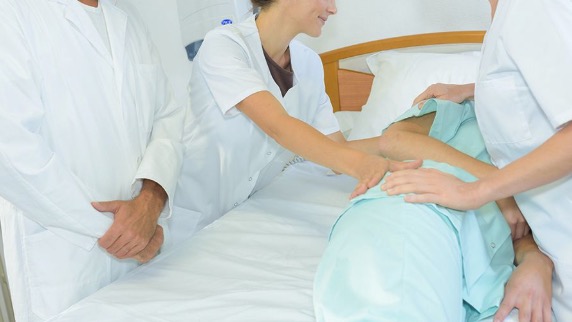
Today, let's talk about some truly effective methods for pressure ulcer care. These aren't folk remedies or secret formulas, but rather the accumulated experience of modern dressings over the years. Using them correctly will help pressure ulcers heal faster, reduce patient suffering, and minimize the hassle for family members.
How do pressure ulcers gradually worsen?
Let's first clarify what pressure sores are. Simply put, it's when a bony protrusion is pressed for too long, preventing blood flow and causing the skin and underlying tissue to suffocate.
The most common places for growth are the tailbone, heel, hip, and elbow—areas with little flesh and hard bones
Pressure ulcers are classified into four stages, with each stage becoming more difficult to treat.
The first stage is characterized by skin redness that doesn't fade when pressed. At this point, the skin hasn't broken open, so there's still hope.
In the second stage, the skin breaks open, possibly forming a blister, or the epidermis peels off, revealing reddened dermis. This is when it starts to hurt.
The skin of all three layers was broken in stage three, and yellow fat could be seen, but the bone was not yet exposed.
Stage IV has penetrated deep into the bone and tendons, covered with dark, necrotic tissue that smells terrible.
When many families come to me, the disease is already in stage three or four. When they ask what to do, their first question is often, "I've tried all sorts of powders and ointments, but nothing seems to work."
At this point, I usually say something like, "Stop those things for now, and let's cover it up properly with a dressing."
What should be used for stage I and II pressure ulcers?
Newly discovered red marks or newly broken blisters are the easiest to treat at this time.
The principle is simply to reduce stress and protect.
Decompression is relieved by turning over, every two hours without fail. Protection is provided by dressings.
For stage I pressure ulcers, the skin is still intact, only red. At this stage, you can apply a **silicone gel foam dressing**. It's soft, cushions pressure, and makes bony prominences less uncomfortable. It's also breathable and waterproof, lasting for several days on a single application, reducing the need for daily changes and minimizing discomfort.
One of my clients had an elderly person with redness on their coccyx. She used this product on someone's recommendation, applied it for three days, and when she removed it, the redness had faded. After applying it for another three days, the redness was completely gone. She said she used to think that if it was red, she had to let it air dry, but the drier and more uncomfortable it became. She didn't expect that covering it up would actually help it heal faster.
For stage II pressure ulcers, the skin has already broken, with small blisters or shallow openings. If the blisters are small, do not break them; simply apply a silicone gel foam dressing. This will absorb the exudate from the blister and protect the epidermis from further damage. If the blisters have already broken, the same applies: clean the wound, apply the dressing, and change it every few days, allowing it to heal on its own.
How to choose between stage III and stage IV pressure ulcers?
In stages three and four, the situation becomes more complex. There is necrotic tissue, exudate, and the possibility of infection.
The first step at this point is not applying a dressing, but debridement. This involves cleaning away necrotic, yellowed, and blackened tissue to expose the fresh wound surface. It's best to have a professional do this; attempting it yourself can easily damage healthy tissue.
After cleaning the wound, select the appropriate dressing based on the condition of the wound.
If there is excessive exudate, like a faucet, requiring several gauze changes a day, a highly absorbent dressing can be used. The foam layer of a **silicone gel foam dressing** can absorb a large amount of exudate, keeping the wound dry and preventing the surrounding skin from becoming irritated.
If the wound looks unclean, with redness around it, and signs of infection, you can use a **silver ion dressing**. It continuously releases silver ions, controlling bacterial growth and providing a clean environment for the wound to heal slowly. Use it for one or two weeks, until the wound is clean and the granulation tissue starts to turn red, then switch back to a regular moisturizing dressing.
If the wound is deep and has cavities, it can be filled with alginate dressing, and then covered with a foam dressing. Once the cavities have healed, a flat dressing can be used.
This stage cannot be rushed. Pressure sores heal slowly; it's good if you see any progress in a week. As long as the approach is correct, don't replace this treatment every day and that treatment every day; give it time.
What are you most afraid of when changing dressings?
Changing dressings is the most challenging part of pressure ulcer care. Family members are afraid, but patients are even more afraid.
What are you afraid of? The pain. The gauze is stuck to the wound; if you pull it off, the newly grown tender flesh is torn away. Each time it's torn, it takes a week to heal.
Therefore, in pressure ulcer care, preventing adhesions is the bottom line.
Silicone gel foam dressings are truly effective in this regard. Their contact layer is made of silicone gel, which gently adheres to the skin without slipping, yet when you remove it, it doesn't stick to the wound at all. Even after three days of wear, when the dressing has absorbed a lot of exudate, the wound remains intact when you remove it; the newly grown, thin layer of granulation tissue is quietly there without being disturbed.
When I first used it, I was surprised that it was so simple. Yes, it's that simple. The patient doesn't feel pain, the family doesn't tremble, and changing the dressing becomes acceptable.
If the skin around the wound becomes fragile and red due to repeated peeling and application, or if it's necessary to secure tubes with tape, silicone gel tapeis essential. With regular tape, peeling it off once can remove the thin layer of skin from an elderly person. Silicone gel tape doesn't tear the skin when removed, and after a few days, the skin remains the same.
Health Tips:
Pressure sores are easier to prevent than to treat. If you have an elderly person who is bedridden at home, check the bony prominences every day. If a red patch appears, treat it immediately; don't wait until it breaks open before taking action.
If you do develop pressure sores, don't panic. With years of advancement in modern dressings, we have a well-established system for treating pressure sores. Choosing the right products and using the right methods, pressure sores can heal.
Those who say pressure sores don't heal well either haven't been cleaned properly, haven't chosen the right dressing, or haven't received adequate aftercare. If all three are addressed, the vast majority of pressure sores will gradually close.
I've seen pressure sores on the coccyx so badly they could fit an egg inside. After three months of care, they slowly flattened, healed, and formed a pinkish scab. The patient went from being in so much pain that he couldn't sleep, to being able to lie on his side for a while, to being able to sit up and eat. The whole process wasn't easy, but every step was taken steadily.
What did they rely on? Not miracle drugs, but scientific nursing methods and unwavering patience.
Hopefully, this article can help those of you struggling with pressure sores. With the right dressings and the right methods, pressure sores aren't as scary as they seem.
For more information on Innomed®Silicone Foam Dressing, refer to the Previous Articles. If you have customized needs, you are welcome to contact us; You Wholeheartedly. At longterm medical, we transform this data by Innovating and Developing Products that Make Life easier for those who need loving care.
Editor: kiki Jia


