
 English
 عربى
عربى Español
 русский
 中文简体
中文简体





In medical terms, red and swollen pimples correspond to the inflammatory papule or pustular stage. Microcomedones within the pilosebaceous unit rupture under the stimulation of abundant proliferation of Propionibacterium acnes and free fatty acids, leaking the follicular contents into the surrounding dermal tissue. This triggers infiltration of neutrophils and macrophages, forming a visible red, raised bump. The core characteristic of this stage is an active inflammatory response, with dilated and congested blood vessels at the lesion site, significant interstitial edema, and pain upon touch. Unlike pustules with clearly defined pus heads, inflammatory papules have a relatively intact epidermal covering, and the follicular contents have not yet communicated with the outside through the epidermal rupture.
Can I use hydrocolloid acne patches for red, swollen pimples without pus?
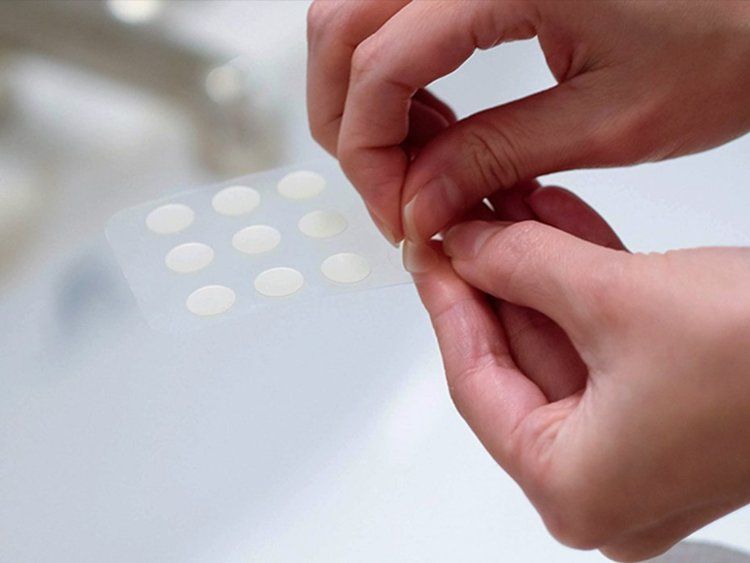
The core material of hydrocolloid acne patches is a hydrophilic colloid composed of sodium carboxymethyl cellulose, gelatin, and pectin. Its mechanism of action is to be applied to lesions that have already broken or are about to break, absorbing tissue exudate and purulent secretions draining from the hair follicle opening, while simultaneously creating a closed, moist environment on the lesion surface to promote epidermal healing. However, for inflammatory papules that are red and swollen but without pus, the stratum corneum completely covers the infiltrated dermis, and the contents of the hair follicle have no drainage channel. The hydrophilic particles in the inner layer of the hydrocolloid acne patch cannot contact the source of exudate, and after application, it simply adheres dryly to the skin surface. In this case, the occlusive effect of the acne patch can actually block the hair follicle opening, preventing the normal drainage of sebum and shed keratinocytes. This leads to a sustained increase in pressure within the hair follicle, and the anaerobic environment further stimulates the proliferation of Propionibacterium acnes, potentially causing inflammatory papules that could otherwise resolve on their own to develop into deeper nodules or cysts. Therefore, the main focus of care during the inflammatory papule stage is anti-inflammatory treatment and unclogging hair follicles. Topical medications such as benzoyl peroxide or salicylic acid preparations are more effective than acne patches. Once the pustules have clearly formed and the epidermis has thinned and is close to breaking, then switch to hydrocolloid acne patches for exudate absorption and isolation protection.
How to use acne patches correctly?
Once the pus is clearly visible, it indicates that the contents of the hair follicle have broken through the outermost layer of the epidermis, forming a drainage channel to the skin surface. This is the optimal time for the hydrocolloid acne patch to work. Before applying the patch, cleanse the affected area with a gentle cleanser and dry it thoroughly. There should be no residue of face cream, serum, or sunscreen on the patch application area, as oil and silicone will form a protective film on the skin surface, preventing exudate from entering the hydrocolloid layer. After applying the patch, gently press the surface of the patch with your fingertips for ten to fifteen seconds to ensure a tight seal. The ideal application time is six to eight hours. Applying it before bed allows for pus drainage and moist healing during the night. If a white, opaque gel spot appears in the center of the patch when removing it, it means that the purulent exudate has been successfully absorbed. Gently rinse the broken area with saline or water and dry it; no additional antibiotic ointment is needed. If the patch remains completely transparent when removed, it indicates minimal exudate or that the pimple has not yet truly broken open. This lesion is not suitable for hydrocolloid acne patches, and repeated use is unnecessary. The same acne patch should not be left on for more than twelve hours. After that time, the hydrocolloid layer will become saturated with liquid and lose its ability to absorb it. If you continue to apply the patch, it will only create a moist, warm, and enclosed space with a certain density of bacteria on the surface of the skin lesion.
Key details for daily care of red and swollen pimples:
Cleansing is fundamental, but more frequent cleansing isn't necessarily better. Use a gentle cleanser twice a day, morning and evening. Over-cleansing damages the skin barrier and can worsen inflammation. In your skincare routine, apply topical acne medication first, allowing it to absorb and dry before proceeding with moisturizing. Direct contact between the medication and the skin is crucial for its effectiveness. Choose a lightweight lotion or gel without comedogenic ingredients. Avoid using products with strong occlusive properties, such as mineral oil and lanolin, on acne-prone areas. Sunscreen is an often overlooked step in caring for red, inflamed pimples. UV rays can exacerbate post-inflammatory hyperpigmentation, leaving persistent brown or dark red marks after the pimples have healed. Choose an oil-free physical sunscreen or a product with zinc oxide and titanium dioxide as active ingredients. This reduces the potential irritation of chemical sunscreens on inflamed skin, and zinc oxide itself has astringent and anti-inflammatory properties. Regarding lifestyle habits, the association between high glycemic index diets and skim milk and the aggravation of acne has been confirmed in multiple epidemiological studies. Reducing the intake of refined sugar and fast carbohydrates, and replacing them with whole grains and low glycemic index foods, has a clear improvement in the number of inflammatory papules in some patients with diet-sensitive acne. Do not squeeze red and swollen pimples with your hands. The mechanical force applied by squeezing may cause the contents of the hair follicle to rupture deeper into the dermis instead of being expelled from the epidermis, leading to an expansion of the inflammation and the formation of more difficult-to-treat pitted scars after healing.
How should I treat the red marks left after a pimple has healed?
The red or dark red patches that remain after acne has subsided are post-inflammatory erythema, a residual manifestation of incomplete healing from capillary dilation and damage during the inflammatory process, and not true scarring. The focus of care at this stage is continued sun protection and gentle skincare, avoiding the use of irritating products such as scrubs and alcohol-based astringents. Skincare products containing niacinamide, azelaic acid, or vitamin C can help accelerate the fading of red marks, but continuous use for several weeks is needed to see visible improvement, and the speed of action and individual responses vary considerably between different products. If the red marks do not significantly fade after three months, or if previously smooth lesions become depressed or raised, it indicates the formation of atrophic or hypertrophic scars. In this case, a dermatologist's evaluation is needed to determine whether to intervene with medical procedures such as laser, microneedling, or fillers. Skincare products and topical medications have limited effectiveness at this stage. Red, swollen pimples have a natural course from the acute inflammatory stage to the recovery and repair stage. The core of care is to control inflammation during the inflammatory phase to avoid damage to deep tissues, use hydrocolloid pimple patches for drainage and isolation during the pustule formation stage, and focus on sun protection and barrier repair during the erythema stage. Different strategies are used for different stages to minimize the long-term impact of a single pimple breakout on the skin. For more information on Innomed® Acne Plaster, refer to the Previous Articles. If you have customized needs, you are welcome to contact us; You Wholeheartedly. At long-term medical, we transform this data by innovating and developing products that make life easier for those who need loving care.
Editor: kiki Jia


