
 English
 عربى
عربى Español
 русский
 中文简体
中文简体






In the first few minutes after a burn, the treatment directly determines the depth of the wound and the difficulty of subsequent recovery. Many people's first reaction is to apply toothpaste, soy sauce, or powder, or immediately apply ice. These methods not only fail to reduce the damage but may also worsen tissue necrosis and increase the risk of infection. Correct on-site first aid can be summarized in five steps: rinse, remove clothing, soak, cover, and transport. Each step has clear operational requirements and time windows; the order cannot be reversed or omitted.
How long should you rinse with cold water?
Immediately rinse the burned area with running cool water at a temperature of around 15 to 20 degrees Celsius; do not use ice water. Rinse for at least 15 to 30 minutes, until the pain is significantly reduced after removing the area from the cold water. The purpose of rinsing is to remove residual heat from the surface and deeper layers of the skin, preventing further heat conduction into deeper tissues, while also reducing pain and swelling. If the burned area is large, keep the patient warm to avoid prolonged rinsing and subsequent hypothermia. For facial burns, apply a cold, damp towel, but do not apply pressure.
What should I do if my clothes get stuck when I take them off?
While rinsing or after rinsing, carefully remove clothing from the burned area. If clothing is stuck to the wound, do not forcibly tear it off. Instead, use scissors to cut away the surrounding clothing, leaving the stuck portion in place for a doctor to handle later. Forcibly tearing it off will remove the already damaged epidermis, worsening the wound and increasing pain. Rings, watches, belts, and other similar items should be removed as soon as possible, because the limb will swell quickly after a burn, and these items can impede blood circulation.
Is it better to soak in cold water for as long as possible?
If the pain persists after rinsing, soak the burned area in cold water for 15 to 20 minutes to further cool and relieve pain. Soaking time should not be too long, especially for large-area burns and for children, as prolonged soaking can cause a drop in body temperature. Do not apply ice directly to the wound, as ice can cause excessive vasoconstriction and frostbite, exacerbating tissue damage. Chemical burns require longer rinsing times, usually more than 20 minutes, depending on the type of chemical.
What should I cover the wound with so it doesn't stick?
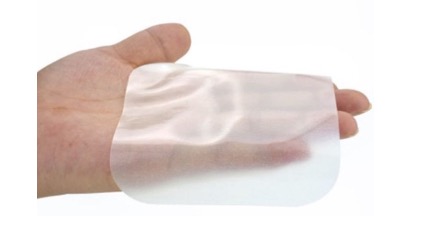
Hydrogel dressings can be used to cover the wound to reduce external contamination and friction. Avoid using lint-covered towels, tissues, or toilet paper, as the fibers will stick to the wound. Do not apply toothpaste, soy sauce, sesame oil, medicinal powders, gentian violet, or mercurochrome, as these substances can contaminate the wound, interfere with the doctor's assessment of the wound's depth, and increase the risk of infection. If blisters have formed, do not break them; intact blister skin is a natural protective layer.
When is it necessary to go to the hospital?
Burns larger than the palm of your hand, on the face, hands, feet, joints, genitals, or other sensitive areas, or if the wound is white, black, or has reduced sensation, or if the patient is an infant, elderly person, or diabetic, should be taken to the hospital immediately. Blisters larger than two centimeters in diameter, severely contaminated wounds, electrical burns, and chemical burns must also be treated by a professional doctor. Keep the wound clean and covered during transport to the hospital; do not apply any medication yourself. The core of burn first aid is early rinsing, skillful removal of clothing, appropriate soaking, thorough covering, and timely transport. Following these five steps correctly can minimize damage and create better conditions for subsequent healing. For more information on Innomed® Hydrogel Dressing, refer to the Previous Articles. If you have customized needs, you are welcome to contact us; You Wholeheartedly. At long-term medical, we transform this data by innovating and developing products that make life easier for those who need loving care.
Editor: kiki Jia


