
 English
 عربى
عربى Español
 русский
 中文简体
中文简体






After being bitten by a cat or dog, many people's first reaction is to apply iodine, put on a bandage, or rush to the hospital. But the most important first step is actually rinsing the wound. Animal mouths harbor a complex variety of bacteria, and bite wounds are often deep and narrow, carrying bacteria and saliva deep into the tissue. If these aren't flushed out, subsequent disinfection and medication will be difficult to reach. Rinsing is the highest priority step in treating animal bites; it cannot be skipped, nor can it be done with just a few quick rinses.
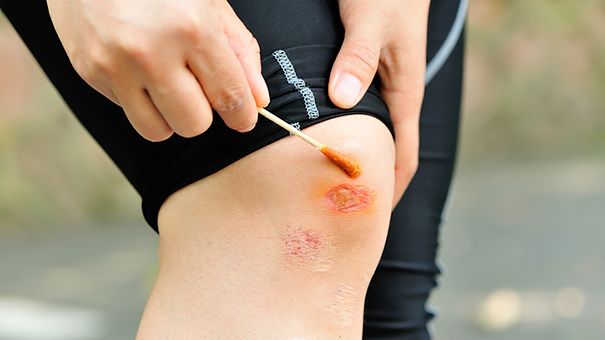
Why should animal bites be rinsed instead of disinfected first?
Animal mouths contain a large number of aerobic and anaerobic bacteria, including Pasteurella, Streptococcus, Staphylococcus, and other anaerobic bacteria. At the moment of a bite, these bacteria enter the subcutaneous tissue and even deeper with saliva. While the wound surface may appear small, deep contamination can occur internally. Disinfectants can only act on the surface they come into contact with and cannot penetrate deep, narrow wounds. Rinsing uses the physical force of flowing liquid to flush bacteria, saliva, dirt, and necrotic tissue from deep within the wound, reducing the bacterial count—something disinfectants cannot do. Rabies virus is sensitive to soapy water; thorough rinsing can also inactivate the virus to some extent, reducing the risk of infection.
How should you rinse it, and for how long?
Wash the wound alternately with soap and running water for at least fifteen minutes. For deeper wounds, use a syringe or catheter connected to a soft tube to irrigate the wound, allowing water to flow out from the bottom. The water flow should have some pressure, but not too strong, to avoid pushing contaminants into deeper tissues. Keep the wound in a low position during irrigation to facilitate drainage. Do not suck the wound with your mouth, as oral bacteria can cause secondary contamination. Do not use alcohol or hydrogen peroxide to directly irritate deep wounds, as these fluids are irritating to tissues and may pose a risk of air embolism if used deep inside.
What kind of water should I use to rinse? Are there any requirements for the soap?
The first choice is running water with regular soap. Soapy water can destroy the viral envelope and inactivate the rabies virus. If soap is unavailable, continuous rinsing with running water is also acceptable, but not as effective as soapy water. Saline solution is suitable for rinsing, but soapy water with regular soap is more readily available for on-site first aid. Use lukewarm or cool water; do not use hot water, as it will worsen tissue damage and bleeding. Do not repeatedly irrigate deep wounds with high-concentration alcohol, iodine, or hydrogen peroxide, as these disinfectants will damage normal tissue and delay healing.
Can I bandage myself after rinsing?
After rinsing, do not immediately bandage tightly. Gently cover the wound with sterile gauze, avoiding sealing it tightly with adhesive bandages or plasters. Tight bandaging can cause oxygen deprivation in the wound, promoting the growth of anaerobic bacteria. Do not apply toothpaste, powders, herbs, or unknown remedies, as these substances can contaminate the wound and interfere with the doctor's assessment. Seek medical attention as soon as possible for evaluation to determine if further debridement, suturing, drainage, antibiotics, and rabies and tetanus vaccinations are necessary. Do not delay treatment because the wound is small; puncture wounds from cat bites are particularly prone to infection. For more information on Innomed® Silicone Scar Dressing, refer to the Previous Articles. If you have customized needs, you are welcome to contact us; You Wholeheartedly. At longterm medical, we transform this data by innovating and developing products that make life easier for those who need loving care.
Editor: kiki Jia


