
 English
 عربى
عربى Español
 русский
 中文简体
中文简体






Nursing a newborn's stoma is quite different from caring for an adult. A baby's skin is thinner, they are less cooperative, and their tummy is smaller, making the procedure significantly more difficult. However, with the right methods, new parents can manage it well. Below are some key points to consider.
What are the proper procedures for applying an ostomy bag?
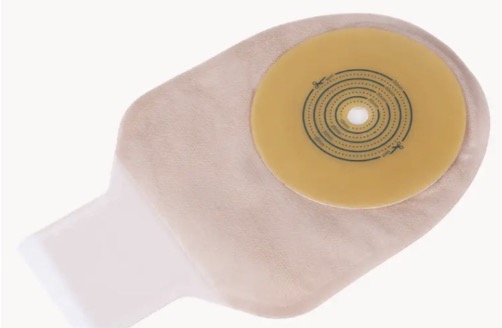
Applying an ostomy bag requires the same precision as applying a screen protector to a phone. The size of the incision at the base is crucial; it should only be 2 millimeters larger than the stoma, roughly the width of a toothpick. If the incision is too large, the exposed skin is prone to inflammation; if it's too small, it can cause friction or even constriction of the stoma, affecting bowel movements.
Before applying the adhesive, you can hold the base in your hand for a while, or use a hairdryer on a low setting for 5 seconds to soften the adhesive and improve its stickiness. When applying, align it with the stoma, first gently press the center, then press in a circular motion from the inside out, ensuring that every corner is firmly adhered. After applying, cover the base with your palm for two to three minutes, using your body heat to help it adhere better to your skin.
How do you choose the right time to change the bags?
Try to change your baby's clothes when they are calm, and avoid doing so immediately after feeding. Otherwise, if the baby cries or strains, their freshly cleaned skin may become contaminated again with excrement. It's better to change their clothes when the temperature is higher at midday, so the baby is less likely to catch a cold.
The frequency of changing a newborn's sachet is generally twice a day, but this is not a hard and fast rule. If the sachet leaks or the bottom becomes soaked, it should be changed immediately. If the baby has frequent bowel movements, and the area around the bottom becomes white and swollen, it should also be changed promptly. Remember one principle: it's better to change it early than to wait it out.
If the baby is crying a lot, two people can work together: one to soothe and hold the baby still, and the other to change the baby's diaper. Having a pacifier or having the mother breastfeed nearby can also help distract the baby. Never force it; the more nervous you are, the more likely you are to make mistakes.
How to protect the surrounding skin?
Newborn skin is much thinner than adult skin, with a weaker barrier function, making it particularly sensitive to irritants. When cleaning the skin around the stoma, simply wipe it gently with a soft cotton towel dampened with warm water; avoid using irritating liquids such as alcohol or iodine. Wipe from the outside in, and allow the skin to air dry completely after cleaning, or gently pat it dry with a dry cotton towel.
If you notice redness or broken skin, you can sprinkle a thin layer of stoma care powder, followed by a skin protective film. Wait 20 to 30 seconds for each layer to dry before applying the next. Before finally attaching the baseplate, you can apply a little zinc oxide ointment to the red areas. Leak-proof paste is also important; use it to fill in any skin folds or depressions to prevent excrement from seeping through the gaps.
Should I stop using the ostomy bag if my skin is broken? No, you shouldn't. Stopping will cause diarrhea and worsen the situation. The correct approach is to strengthen the protection of the broken skin by applying the skin care powder and protective film mentioned above, and then continue wearing the bag. Generally, the skin will improve after two or three days.
What color is considered normal for a stoma?
A normal stoma should be beef-red, bright red, or pink, and feel moist and shiny to the touch. If the color turns dark purple or black, it indicates a problem with blood supply, and you should go to the hospital immediately. If the color is whitish or grayish-white, it may indicate anemia or ischemia, and you should also see a doctor.
Take a quick look at the stoma each time you change the bag; this is the most direct indicator of stoma health. Additionally, there may be a small amount of bleeding from the stoma surface; simply wipe it away gently with a cotton swab. If the bleeding is heavy or persistent, seek medical attention immediately.
What other things should we pay attention to in our daily lives?
Maintain a room temperature of 25-28℃ and humidity of 50-60%—neither too dry nor too humid. When changing the bag and cleaning, keep the baby warm by using a heat lamp or turning on the air conditioner beforehand. Wait until the wound is completely healed before bathing, usually about a week after surgery. Use water around 37℃, and either plain water or a neutral baby wash is fine, but avoid using baby oil as it can interfere with the adhesion of the base plate.
For feeding, breastfeeding is recommended, as the nutrition and antibodies in breast milk cannot be replaced by formula. While feeding, carefully observe the baby's bowel movements. If there are any abnormalities in the stool's consistency, color, or amount, record them promptly and consult a doctor. Newborns may have many bowel movements per day, so frequently check if the stomach sac is swollen.
How to choose nursing products?
Newborn stoma care products should be selected according to the baby's weight and stoma size. The slits on the base should be adjustable, as the baby's stoma will gradually shrink as they grow. Choose a small-sized ostomy bag; a large one will be uncomfortable on the baby's abdomen. Some brands offer special ostomy bags for newborns, with more precise tailoring and gentler adhesive.
Don't be too anxious. It's normal to feel clumsy and disorganized the first few times you change the bag; you'll be proficient by the tenth time. After each procedure, you can briefly record the time, stool condition, and skin condition for your doctor's reference during follow-up visits. If you have any questions, you can visit the hospital's ostomy care clinic; specialist nurses can help you solve many practical problems. You can also join a patient support group to exchange experiences with other parents. For more information on Innomed® Ostomy Pouch, refer to the Previous Articles. If you have customized needs, you are welcome to contact us; You Wholeheartedly. At long-term medical, we transform this data by innovating and developing products that make life easier for those who need loving care.
Editor: kiki Jia


