
 English
 عربى
عربى Español
 русский
 中文简体
中文简体






Many people believe that wound healing should gradually become less painful; if it hurt yesterday but not today, it means it's almost healed. However, sometimes the opposite is true. A few days ago, the wound was perfectly fine, but now it's painful, or the nature of the pain has changed, from a dull ache to a stabbing or burning pain. At this point, patients often worry: Is it infected? Has the wound worsened? Actually, a certain degree of pain during the wound healing process is often normal, and even a sign that healing is progressing actively. But it's important to distinguish which types of pain are normal and which are warning signs of problems.
Why does normal healing sometimes hurt?
Wound healing occurs in several stages, each with a different pain mechanism. During the inflammatory phase, the first two to three days after injury, pain arises from the stimulation of inflammatory mediators, such as bradykinin and prostaglandins, which directly activate nerve endings around the wound. This pain is a persistent dull or throbbing ache, gradually lessening as the inflammation subsides. In the proliferative phase, three to fourteen days after injury, granulation tissue and epithelium begin to grow, and numerous new nerve endings grow into the wound. These new nerves are not yet fully mature and are particularly sensitive to external stimuli; even a light touch or a gentle rub from the gauze during dressing changes can cause a brief stinging sensation. This does not indicate a worsening of the wound; rather, it signifies that the nerves are reconnecting, a part of the healing process. In the remodeling phase, after two weeks, collagen fibers rearrange, and scar tissue contracts, sometimes causing a pulling or itching sensation, especially around joints, where movement may result in a feeling of tightness or stinging. This pain is usually intermittent and gradually lessens as the scar softens.
What are the characteristics of normal pain?
Normal healing-related pain can be identified by several characteristics. The pain gradually decreases or remains at a mild level, without sudden increases. The nature of the pain is mostly stabbing, pricking, or burning, rather than deep throbbing or pulsating pain. The pain is related to external stimuli such as dressing changes, touch, and activity, and significantly decreases or disappears when resting or immobile. The wound appears healthy, with a reddish or pink color, clear and minimal exudate, no odor, and no obvious redness, swelling, heat, or pain in the surrounding skin. This pain usually reaches a minor peak one to two weeks after the injury because nerve regeneration is active at this time, and then gradually subsides as the nerves mature and the scar softens.
Which types of pain are abnormal?
There are several warning signs of pain that should raise concern. The pain is progressively worsening instead of gradually lessening; it's more painful today than yesterday, and more painful tomorrow than today. The pain spreads from a localized area to surrounding areas; for example, pain from a foot wound travels up the calf, or initially only the wound hurts, but later the entire calf becomes swollen and painful. The nature of the pain becomes deep, throbbing, and throbbing, like a heartbeat; this is often a typical sign of a local abscess formation. Besides pain, the appearance of the wound also changes: the color changes from red to dark purple or grayish-white, the exudate changes from clear to cloudy, purulent, and blood-tinged, the surrounding skin becomes more red and swollen, and the skin temperature rises significantly; the patient may experience systemic symptoms such as fever and chills. In these cases, pain is not a sign of healing, but rather an alarm bell for infection, hematoma formation, or tissue ischemia, requiring immediate medical attention.
Besides pain, itching may also occur?
Itching often accompanies pain. Mast cells in scar tissue release histamine, which stimulates newly formed nerve endings, causing itching. Like pain, this is a sign of nerve regeneration, indicating that the wound is healing. Avoid scratching when itchy, as this will create new wounds. You can gently pat the area with your fingers or apply a cold compress for relief, or apply a fragrance-free moisturizing cream. If the itching is severe enough to interfere with sleep, or is accompanied by a rash or blisters, it may be an allergic reaction to the dressing or ointment, and a different material may be needed.
When should I go to the hospital?
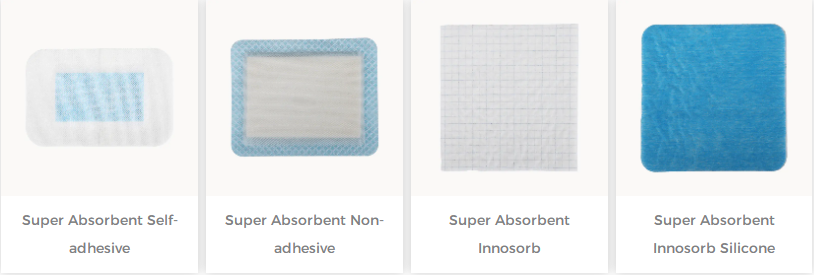
Pain is a subjective experience; different people react differently to the same stimulus. However, there are a few objective indicators to consider. A pain score exceeding five on the Visual Analogue Scale (VAS) (out of ten) and persisting for more than three days without relief; pain causing repeated awakenings at night, making it impossible to maintain continuous sleep; pain so severe that it interferes with normal dressing changes, causing the patient to become anxious, sweat, experience rapid heartbeat, or even refuse dressing changes; pain accompanied by any of the above abnormal wound symptoms. If these conditions are met, do not try to endure the pain at home; consult a doctor for evaluation. Painkillers can be helpful; ibuprofen or acetaminophen are effective for wound-related pain, but do not take them long-term without medical supervision to avoid masking changes in the condition. In most cases, pain during wound healing is benign and self-limiting, gradually subsiding as healing progresses. However, for safety's sake, it's best to have a professional assess the wound if unsure. For more information on Innomed® Silicone Foam Dressing, please refer to the Previous Articles. If you have customized needs, you are welcome to contact us; you wholeheartedly. At long-term medical, we transform this data by innovating and developing products that make life easier for those who need loving care.
Editor: kiki Jia


