
 English
 عربى
عربى Español
 русский
 中文简体
中文简体






A C-section wound isn't something that can be simply treated with a dressing. The dressings needed at different stages—from immediate surgery to wound healing and scar management—are completely different. Many people don't realize that the dressings used in the early, middle, and late stages of surgery are actually different. Using the right dressing results in a smooth wound healing; using the wrong dressing may hinder healing or make the scar more noticeable.
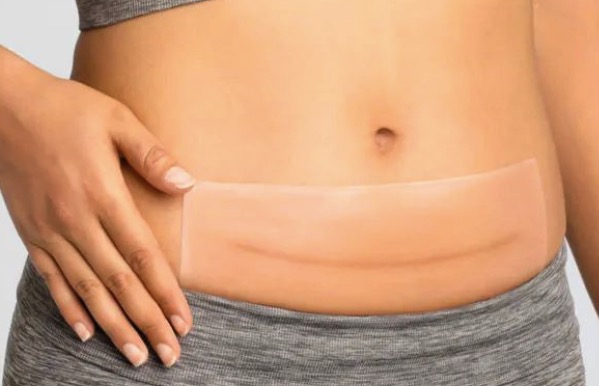
Early postoperative period:
In the first two weeks of healing after a C-section, the biggest concern is tension. Every time you cough, sneeze, get up, or hold your baby, the abdominal skin is stretched, pulling on the edges of the sutured wound, making it prone to widening or even tearing. The purpose of a tension-reducing dressing is to apply a counterforce along the direction of the wound, pulling the skin on both sides towards the center and reducing the impact of tension on the wound.
Tension-reducing dressings should be used after suture removal or once the wound has completely closed. When applying, hold the dressing perpendicular to the wound, one dressing after another, leaving a small gap between each. Do not apply horizontally or cover the entire wound, as this will negate its tension-reducing effect. Apply to clean, dry skin. If the adhesiveness decreases due to sweating or bathing, change the dressing promptly. It is generally recommended to continue use for at least one to two months, as this is a high-risk period for scar widening.
Wound healing period:
When the wound is not completely closed or there is still a small amount of exudate, tension-reducing dressings should not be applied directly to the wound. In this case, a layer of hydrocolloid dressing should first be placed on the wound, and then the tension-reducing dressing should be applied on top. The hydrocolloid dressing can absorb a small amount of exudate, keeping the wound moist, while not sticking to the wound and causing pain when changing the dressing.
If the wound has completely closed and there is no exudation, you can skip the hydrocolloid dressing and apply the tension-reducing tape directly to the skin. However, be aware that if the adhesive side of the tension-reducing tape is applied directly to newly healed skin, it may hurt a little when you peel it off. You can apply a skin protectant before applying it, or choose a tension-reducing tape made of hypoallergenic material.
Scar formation stage:
After the wound has completely healed, approximately two to four weeks post-surgery, you can begin using silicone gel scar dressings. Their function is to keep the scar tissue moist, regulate collagen growth, and make the scar flatter, softer, and lighter in color.
Silicone gel scar dressings can be applied directly to closed wounds without any intermediate layers. They have a certain thickness and elasticity, providing gentle pressure. Wear them for at least 12 hours daily, ideally up to 20 hours, for three to six months. Remove them when showering, dry the skin, and then reapply. One dressing typically lasts two to four weeks.
How should the three dressings be combined?
The three stages correspond to three types of dressings, but there is overlap in the middle.
During the first two weeks after surgery: If there is oozing from the wound, cover it with sterile gauze or hydrocolloid dressing. No additional pressure is needed on the outer layer.
Two to four weeks post-surgery: The wound has closed and there is no more oozing. During the day, apply a tension-reducing dressing to reduce tension, and at night you can switch to a silicone gel scar dressing. Alternatively, apply a tension-reducing dressing first, and then cover it with a silicone gel scar dressing. However, be careful that the adhesive side of the tension-reducing dressing does not directly contact the silicone layer of the scar dressing, as this may affect adhesion.
One month post-surgery: The wound has stabilized, and the focus shifts to scar management. At this stage, you can use silicone gel scar dressings alone, or a combination of silicone gel and tension dressings. If the wound shows no signs of widening, you can discontinue the tension dressings and continue using only silicone gel.
Common problems encountered during use :
Can I shower with a tension-reducing dressing on? Yes, but it needs to be waterproof. You can apply a transparent film dressing over the tension-reducing dressing, or cover it with a waterproof film while showering. After showering, pat the edges dry thoroughly.
Do silicone gel scar dressings need to be washed daily? Yes. After removing them daily, wash with mild soap and water, rinse thoroughly, and let them air dry before reapplying. Do not use alcohol to wipe them, as this will damage the silicone layer.
What should I do if my skin becomes red after applying a dressing? It could be due to adhesive irritation or an allergic reaction. Stop using it for a day or two and observe if the redness subsides. If the redness persists or a rash develops, try a hypoallergenic product from a different brand.
Cesarean section wound care involves using the same dressing for the entire procedure. Early on, use a tension-reducing dressing to prevent strain; in the middle stage, use a hydrocolloid dressing to protect the wound; and later, use silicone gel to prevent scarring. Using these three dressings in stages, working in combination, will help the wound heal quickly and smoothly. If you're unsure when to change dressings, consult your doctor or a postpartum recovery nurse for more specific advice. For more information on Innomed®Silicone Scar Dressingrefer to the Previous Articles. If you have customized needs, you are welcome to contact us; You Wholeheartedly. At long-term medical, we transform this data by innovating and developing products that make life easier for those who need loving care.
Editor: kiki Jia


