
 English
 عربى
عربى Español
 русский
 中文简体
中文简体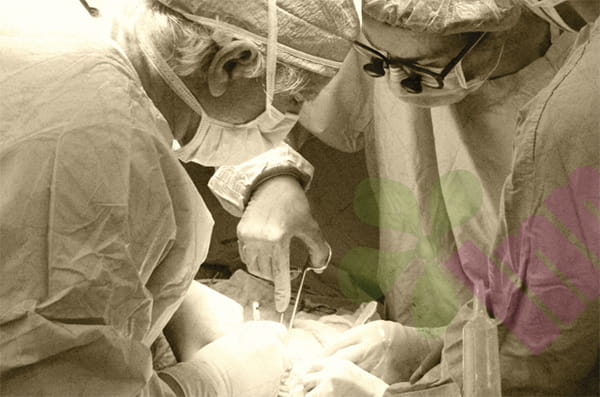






Whether or not a wound can get wet is a question that many people struggle with. Some say that getting a wound wet will cause infection, while others say that rinsing it will make it cleaner. So who is right and who is wrong? Actually, there is no fixed answer; it depends on what stage the wound is in.
Can a freshly stitched wound get wet?
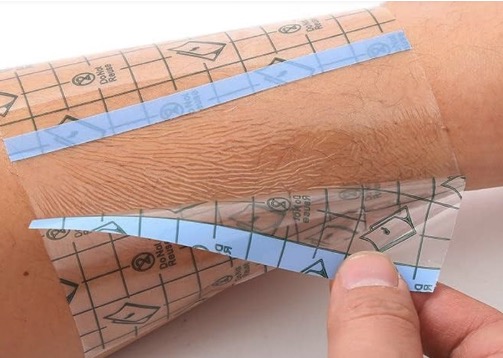
Newly sutured wounds must absolutely not come into contact with water for 48 hours after surgery. At this stage, the wound edges are just aligning, and the epidermis has not yet formed a complete barrier; if bacteria from water enter, the risk of infection is very high. When showering, you can cover the wound with a waterproof dressing or temporarily wrap it with plastic wrap and tape. If water splashes on the wound, immediately blot it dry with sterile gauze and then disinfect it with iodine solution.
Can I wash my clothes freely after the stitches are removed?
Removing stitches does not mean the wound is completely healed. The injection site is not yet closed after stitch removal and generally needs to wait another 24 to 48 hours before getting it wet. If you take a bath the day after stitch removal, water may seep into the skin through the injection site, causing infection. A safer approach is to continue wearing a waterproof dressing for two days after stitch removal to ensure the injection site is completely closed before washing normally.
Can chronic wounds get wet?
Chronic wounds such as diabetic foot ulcers and pressure sores are more complex. Rinsing the wound with running warm water can help remove necrotic tissue and bacteria from the surface, which is beneficial for healing. However, there are a few conditions: the water temperature should not be too high; test the water temperature with your elbow and it should not be too hot. The water pressure should not be too strong; using a shower head directly will be too much pressure. You can use a cup to slowly pour water over the wound. After rinsing, gently pat dry with sterile gauze; do not rub back and forth.
It's important to note that chronic wounds should not be soaked. Soaking your feet or body in water for extended periods can cause the skin around the wound to soften and turn white, which can actually damage the skin barrier.
How to treat abrasions and scratches?
For superficial abrasions and scratches, if the wound is relatively clean and not visibly contaminated, it can be rinsed with running saline solution or cooled boiled water. The running water will wash away dirt and debris, and is gentler than wiping with cotton swabs, preventing tissue damage. After rinsing, disinfect with povidone-iodine and cover with a dressing.
If the wound is contaminated with mud or rust, or if it is pricked by fish bones or splinters, you should wash it clean and then go to the hospital to assess whether you need a tetanus shot.
Is it okay to swim or take a bath?
Regardless of the type of wound, swimming or bathing is not recommended until it is fully healed. Pool water contains chlorine, seawater contains bacteria and microorganisms, and bathwater contains bacteria from shed skin. Prolonged soaking can soften and cause the scab to fall off, or cause the surrounding skin to become macerated. If you want to swim, wait at least a week after the wound has completely healed and the scab has fallen off naturally.
Specific steps for taking a bath :
Prepare a waterproof dressing or waterproof film, making sure it extends at least 5 centimeters beyond the wound. Before applying, ensure the skin around the wound is dry. Smooth the dressing from the center outwards, pressing the edges firmly. When showering, try to avoid the dressing area and limit the shower time to no more than 10 minutes. After showering, immediately check the edges of the dressing; replace it if there is any seepage. When removing the waterproof dressing, gently peel it off from the edge; do not tear it off forcefully.
What if it gets wet accidentally?
If the dressing gets wet, do not use a hairdryer to dry it, as the hot air will burn your skin. The correct procedure is to gently remove the dressing and observe the wound. If the wound is not red and the oozing is normal, use sterile gauze to absorb the surrounding skin, re-disinfect, and replace with a new dressing. If the dressing has turned white or become macerated, it means that moisture has seeped in, and you need to keep it dry for one or two days before reapplying the dressing.
In what situations should you avoid getting your car wet?
Wounds with drainage tubes or negative pressure devices must never come into contact with water. Contact with water will worsen eczema or fungal infections around the wound. Skin areas that have just undergone radiation therapy have a damaged skin barrier and are easily damaged by water. Wounds using certain special ointments should be treated according to the doctor's instructions.
Whether a wound can get wet depends on its stage, type, and how the water is used. Strict waterproofing is necessary in the initial postoperative period. After suture removal and once the stitches have closed, chronic wounds can be rinsed but not soaked. For abrasions and scratches, rinsing with running water is safer than rubbing. Swimming and bathing should only be done after complete healing. For more information on Innomed® Transparent Dressing Green-Squares, refer to the Previous Articles. If you have customized needs, you are welcome to contact us; You Wholeheartedly. At long-term medical, we transform this data by Innovating and Developing Products that Make Life easier for those who need loving care.
Editor: kiki Jia


