
 English
 عربى
عربى Español
 русский
 中文简体
中文简体






After a pet returns home from surgery, the most worrying thing for owners is the incision. They worry about it licking itself, jumping around, or the wound not healing properly. Actually, post-operative care isn't that complicated. By mastering a few key points, you can do it all at home.
What are the biggest concerns about post-operative incisions in pets?
The three things to be most wary of after surgery are: licking, getting wet, and rubbing. A pet's tongue carries many bacteria; licking a wound is like applying bacteria directly to the incision. If the wound gets wet, the epidermal cells soften, and the sutures are more likely to loosen. If the pet rubs its head against the wound, it can remove the dressing and even break the sutures. Therefore, the core of post-operative care is preventing licking, keeping the wound dry, and preventing rubbing.
How long should you wear an Elizabethan collar?
The Elizabethan collar must be worn from the end of surgery until two days after stitches are removed. Many owners, out of concern for their pets, remove it when feeding, sleeping, or when no one is home, resulting in the collar being licked. The correct approach is to keep it on except for dressing changes and feeding. The collar should be the right size, ensuring the pet cannot lick the wound. If the pet becomes agitated while wearing the collar, a soft recovery collar or medical protective clothing can be used, but protective clothing only prevents licking and cannot completely replace the collar's function.
What do I need to prepare for changing dressings at home?
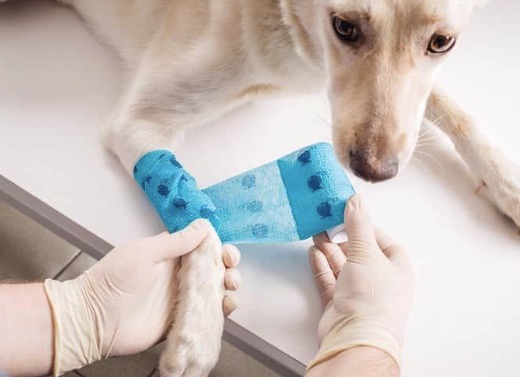
Prepare pet elastic bandages, sterile gauze, iodine swabs, and saline solution. Pet elastic bandages differ from regular bandages; they adhere only to the pet's own skin and won't pull or hurt the skin when wrapped around it. They also have some elasticity, so they won't restrict the pet's movement. Wash your hands before handling the pet, and it's best to wear disposable gloves.
What should the incision look like?
A normal incision should have neat, aligned edges, slightly red skin, no swelling, and no oozing. For the first two days after surgery, there may be some redness and mild swelling around the incision; this is a normal inflammatory response. If you notice the incision becoming larger and more red, with yellow or green discharge, feeling hot to the touch, or your pet experiencing significant pain, it may be infected, and you should contact a veterinarian.
What are the specific steps for changing the dressing?
First, gently remove the old bandage and gauze. If the gauze is stuck to the incision, do not tear it off. Instead, moisten the gauze with saline solution, wait a few minutes, and then slowly peel it off.
The second step is to observe the incision. Is there any redness, swelling, oozing, or unusual odor? Are the sutures broken? Are the edges of the incision separated? If any problems are found, contact your doctor immediately.
Third, gently apply iodine solution to the incision and the surrounding 1 cm area with a cotton swab. Make circular motions from the center of the incision outwards, without rubbing back and forth. Wait for the iodine solution to dry before applying gauze.
The fourth step is to cover the incision with sterile gauze, ensuring that it completely covers the incision.
Fifth, secure the wound with an elastic bandage. Wrap the bandage from the distal end of the incision towards the proximal end, for example, wrap the wound from the paw towards the body on a leg. The tightness should be such that you can fit a finger between the bandage and the wound; too tight and it will chafe the skin, too loose and it will slip off. Press the end of the bandage down to make it self-adhesive; no tape is needed.
What's special about pet elastic bandages?
Regular tape sticks to a pet's fur, causing the pet to yelp in pain and tearing off patches of fur when removed. Elastic pet bandages, on the other hand, have a surface with tiny fibrous structures that interlock when wrapped, creating a self-adhesive finish without sticking to the fur. They are easy to remove; simply tear them in the direction of wrapping without causing pain. They are also elastic, allowing the pet to move freely without feeling constricted. Furthermore, they are breathable, so the skin won't feel stuffy even after wearing them all day.
How often should the dressing be changed?
For the first three days after surgery, change the dressing daily and observe the wound healing. If the wound is dry and there is no oozing, change it every two days. If the dressing gets wet with urine or soiled, change it immediately. Changing the dressing too frequently can interfere with healing, while changing it too infrequently may lead to infection. Generally, once a day is a suitable frequency.
When can I stop using bandages?
After the stitches are removed, the dressing usually needs to be applied for another two days to allow the needle holes to completely close. After that, the dressing can be removed, allowing the incision to be exposed to air. However, the Elizabethan collar should continue to be worn for two more days to prevent the pet from licking the newly healed needle holes. For incisions on the abdomen or back, the dressing can be removed after stitch removal; instead, the pet can wear an old, pure cotton T-shirt, which will protect the incision without causing it to get too hot.
In what situations is it necessary to go to the hospital?
There is a large amount of fresh blood oozing from the incision, or the bleeding cannot be stopped even after applying pressure. The incision has reopened, exposing subcutaneous fat or muscle. The pet is lethargic, refuses to eat or drink, and has a fever. The swelling and redness of the incision continues to expand, exceeding the size of the area on the day of surgery. The pet is vomiting or has severe diarrhea. Do not attempt to treat these situations at home; take the pet to the vet as soon as possible.
For post-operative wound care in pets, remember these key points: Keep the Elizabethan collar on until your veterinarian says it's okay to remove; use an elastic bandage for dressing changes—it won't stick to fur, constrict skin, or cause discomfort to your pet; observe the incision daily for changes, and detect redness, swelling, and oozing early; restrict activity, preventing your pet from jumping on sofas or running up stairs. If you do these things, the incision will heal on its own; don't worry too much. For more information on Innomed® Elastic Bandage For Pet, refer to the Previous Articles. If you have customized needs, you are welcome to contact us; You Wholeheartedly. At long-term medical, we transform this data by innovating and developing products that make life easier for those who need loving care.
Editor: kiki Jia


