
 English
 عربى
عربى Español
 русский
 中文简体
中文简体




When you have a wound, most people first think of disinfection and dressing changes, rarely connecting the pills they take daily to the wound. In fact, many commonly used medications can interfere with certain stages of wound healing through different mechanisms, slowing down the healing process or even causing a wound that was healing smoothly to suddenly stop. For those undergoing wound care, understanding the potential effects of their medications is just as important as knowing what dressings to use. This doesn't mean patients should stop taking medication on their own, but rather that they should have a reference list to discuss with their doctor, ensuring that the wound management plan takes medication factors into account.
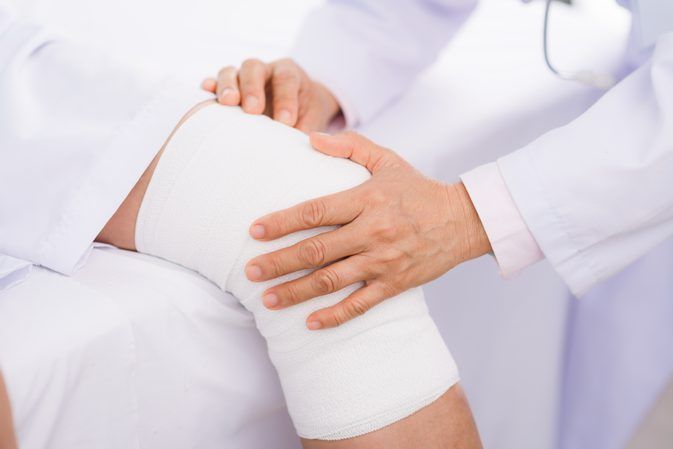
Which commonly used medications can slow down wound healing?
The class of medications with the most direct and clear impact on wounds are glucocorticoids, such as prednisone and methylprednisolone. These drugs work by suppressing the inflammatory response. However, in the early stages of wound healing, moderate inflammation is a necessary signal to initiate subsequent repair. If excessively suppressed, collagen synthesis decreases, and the migration rate of epithelial cells slows down, ultimately resulting in delayed wound healing and slow granulation. Patients using hormones long-term may also experience thinning of wound edges and skin atrophy. Nonsteroidal anti-inflammatory drugs (NSAIDs) are another easily overlooked category, including ibuprofen, diclofenac, and celecoxib. They relieve pain and inflammation by inhibiting cyclooxygenase, but they also interfere with prostaglandin-mediated vasodilation and cell proliferation, especially in the middle stages of wound healing, potentially weakening the quality of granulation tissue formation. In addition, anticoagulants used to prevent and treat thrombosis, such as warfarin, rivaroxaban, and dabigatran, while not directly hindering tissue repair, increase the risk of wound bleeding and hematoma formation. Hematomas themselves mechanically stretch the wound edges, hindering wound closure and easily becoming a breeding ground for bacteria. Chemotherapy drugs work by inhibiting all rapidly dividing cells, killing not only tumor cells but also affecting proliferating fibroblasts and endothelial cells within the wound, leading to a significant decrease in healing ability. There are also some drugs that seem unrelated to wound healing, such as methotrexate for treating rheumatoid arthritis, and immunosuppressants like tacrolimus and cyclosporine used after organ transplantation. These treat the primary disease by reducing the immune response, but they also reduce the inflammatory initiation and anti-infection capabilities required for wound healing, making the wound more likely to remain in the inflammatory phase and unable to enter the proliferative phase.
Will disinfection affect the speed of wound healing?
The impact of topical medications on wounds should not be underestimated, and because it's a process that can be directly controlled by the user, misconceptions are more prevalent. Iodine solution is the most commonly used disinfectant in home care; it effectively kills bacteria in a short time. However, repeatedly using high-concentration iodine solution to directly rinse or soak the wound can cause the iodine ions to have significant cytotoxic effects on newly formed fibroblasts, slowing down granulation tissue growth. The same problem arises with alcohol and hydrogen peroxide. These two liquids are highly irritating to open wounds, directly damaging new cells and causing the wound to expand rather than heal. Erythromycin ointment or other antibiotic ointments are often mistaken for universal healing agents. In reality, the petrolatum base of these ointments only provides moisturizing and sealing effects and does not have a pharmacological effect that actively promotes healing. Long-term application may even induce local flora imbalance or contact dermatitis. As for various herbal powders and homemade remedies that claim to promote skin and tissue growth, directly sprinkling the powder on the wound creates a non-absorbable foreign body layer, providing a scaffold for bacterial adhesion and reproduction, often worsening the infection rather than accelerating healing. When topical medications are truly needed to aid healing, the appropriate product should be selected based on the specific stage of the wound and whether or not there is an infection. For example, during the infection stage, use an antibacterial gel containing silver ions; during the debridement stage, use a hydrogel or enzymatic debridement preparation; and during the proliferative stage, use a dressing that promotes epithelialization rather than applying it indiscriminately.
What should I do if I find myself taking these medications?
The most important point to emphasize is that the purpose of this article is absolutely not to encourage anyone to stop taking prescription medications on their own due to concerns about wound healing. Abrupt withdrawal of glucocorticoids can trigger adrenal crisis, abrupt discontinuation of anticoagulants can lead to fatal thromboembolic events, and discontinuation of immunosuppressants can induce acute rejection of transplanted organs. These consequences are far more serious than a wound healing delay of a few weeks. The correct approach is to make a complete list of all medications you are currently taking, including over-the-counter painkillers and supplements, when you find that your wound is not progressing for an extended period or that the healing rate is significantly slower than the usual timeframe for wounds of the same type and location. Take this list to your doctor, informing them of the current state of your wound and the point at which healing has stalled. The doctor will then comprehensively assess whether the medication regimen needs to be adjusted. Often, in the short term of special wound care, doctors can achieve a balance by temporarily switching to a similar medication with less interference with healing. For example, switching to low molecular weight heparin for a short period during anticoagulation therapy, or replacing nonsteroidal anti-inflammatory drugs (NSAIDs) with acetaminophen in a pain management regimen. If the original medication cannot be adjusted, the delayed healing effect of the medication can be compensated for by increasing the frequency of wound dressing changes, using more professional wet dressings, and strengthening nutritional support. In short, the relationship between medication and wound is a complex issue that requires the joint efforts of both doctors and patients. Understanding it is only to more comprehensively find the reasons for impaired healing, not to create new anxiety or reasons for unauthorized actions. For more information on Innomed® Silicone Scar Dressing, refer to the Previous Articles. If you have customized needs, you are welcome to contact us; You Wholeheartedly. At long-term medical, we transform this data by innovating and developing products that make life easier for those who need loving care.
Editor: kiki Jia


