
 English
 عربى
عربى Español
 русский
 中文简体
中文简体






The effects of high temperature and humidity in summer on wounds go far beyond mere discomfort. For every degree Celsius increase in temperature, the metabolic and proliferative rate of bacteria on the skin surface accelerates. Staphylococcus aureus and Pseudomonas aeruginosa, two common pathogens causing wound infections, divide significantly faster in environments above 30 degrees Celsius than at room temperature. Regarding humidity, continuous sweating increases the water content of the stratum corneum. In this overhydrated state, the desmosome connections between keratinocytes loosen, reducing the skin barrier function and making it easier for bacteria, originally confined within the wound, to spread to the surrounding healthy skin. Sweat itself contains urea, lactic acid, and sodium and potassium ions, which irritate newly growing granulation tissue and place an additional burden on the absorbency of certain dressings. Therefore, once a wound becomes infected and oozes pus in summer, the progression is usually faster than in other seasons. The time window from local redness and swelling to abscess formation is shorter, and the margin for error in home treatment is also smaller.
How can you tell if the discharge from a wound is pus or normal oozing?
Normal wound exudate during healing is a pale yellow or clear serous fluid, thin like water or slightly viscous. When applied to gauze and dried, it forms a pale yellow thin layer with a very faint odor or only a slight bloody smell. Pus, on the other hand, is an inflammatory exudate formed by a large mixture of white blood cells, bacteria, and necrotic tissue fragments after infection. It appears yellowish-green, grayish-white, or brown, with a viscous and uneven texture, sometimes creamy or lumpy. When applied to gauze and dried, it is darker in color and often has a distinct putrid or sweet-smelling odor. Another dynamic indicator is the trend of exudate volume and color change over time. Normal exudate decreases and lightens in color as the wound enters the proliferative phase, while infectious pus often increases rather than decreases, with the color gradually changing from pale yellow to dark yellow or yellowish-green. If, when the dressing is removed, the area of skin around the wound that has turned white due to soaking in exudate is expanding, it indicates that the amount and corrosiveness of the exudate exceed the dressing's capacity, which is also an indirect sign of worsening infection.
What treatment steps can be taken at home after a wound starts to ooze pus in the summer?
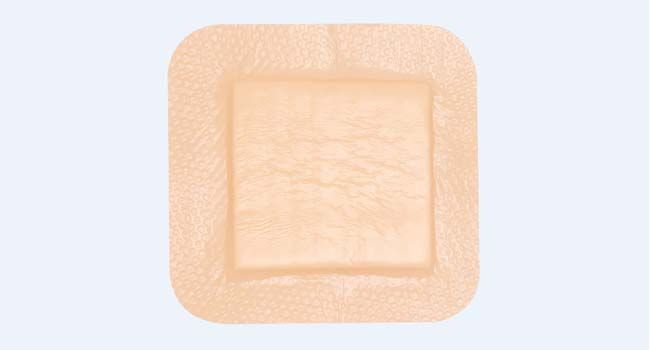
The treatment steps should follow a sequence from outside to inside, from cleaning to covering, with adjustments specific to summer. Cleaning is the first step: rinse the wound with room temperature saline solution. While summer temperatures are high, the rinsing solution does not need to be heated; room temperature is sufficient. Cold water can irritate the wound, causing pain and vasoconstriction, affecting the arrival of local immune cells. A 20ml syringe with an 18-gauge needle is recommended. Bending the needle tip 90 degrees creates gentle rinsing pressure, effectively flushing away pus and necrotic debris without damaging new granulation tissue. If a syringe is unavailable, a squeeze bottle of saline solution can be used directly. Do not rub the wound back and forth with cotton balls or gauze, as this will push pus and bacteria into the skin folds and deep hair follicles at the wound edges. The second step is to remove visible pus plugs and loose necrotic tissue. In a home setting, this should only be limited to loose necrotic tissue that can be rinsed away with saline solution or gently removed with sterile tweezers. Do not forcibly tear away yellowish-black necrotic tissue that is tightly adhered to the base. The third step involves selecting a dressing material that balances absorbency and breathability. Foam dressings are relatively ideal for use in summer. The highly absorbent foam layer can lock pus and excess exudate inside the dressing, while the outer polyurethane backing allows water vapor and oxygen to pass through while blocking external liquid water and bacteria. The dressing replacement frequency should be dynamically adjusted according to the amount of pus. Replace the dressing immediately when the exudate on the outer layer spreads to near the edge, without waiting for a fixed time.
Why is drying therapy not suitable for infected wounds in the summer?
The practice of leaving wounds exposed to air and allowing them to scab over is equally harmful to infected wounds in the summer. High temperatures cause wounds to dehydrate rapidly, leading to the concentration of proteins and electrolytes in the exudate, forming a hard scab. Beneath this scab lies a moist, necrotic cavity where bacteria proliferate. The dry appearance provides caregivers with a false sense of security, while deep infections silently progress beneath the scab. They are only discovered when the surrounding redness and swelling increase or pus drains from the scab, making treatment much more difficult. For more information on Innomed® Polyurethane foam dressing, refer to the Previous Articles. If you have customized needs, you are welcome to contact us; You Wholeheartedly. At long-term medical, we transform this data by innovating and developing products that make life easier for those who need loving care.
Editor: kiki Jia


