
 English
 عربى
عربى Español
 русский
 中文简体
中文简体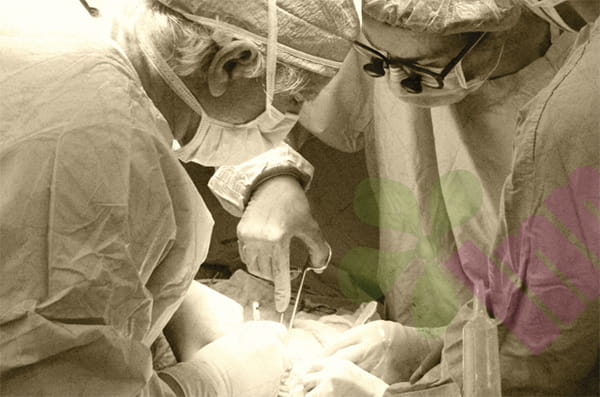






The concept of skin failure has been introduced in critical care medicine and geriatric care for over two decades, but it remains largely unfamiliar to the general public. Most people's understanding of skin function is limited to its appearance and barrier function, rarely realizing that the skin can experience comprehensive functional decline just like organs such as the heart, lungs, and kidneys. The skin is the largest organ in the human body, undertaking many crucial physiological functions, including thermoregulation, fluid balance maintenance, immune surveillance, and sensory transmission. When these functions are progressively lost in severe disease states, the resulting clinical syndrome is skin failure.
How to distinguish between skin deterioration and ordinary pressure sores?
Skin necrosis caused by skin failure overlaps in appearance with ordinary pressure injuries, but their etiologies and prognoses are fundamentally different. Ordinary pressure ulcers are driven by external pressure and shear forces, and the damage is usually limited to the contact surface at bony prominences. With decompression and dressing changes, the wound usually has the potential to heal. Skin failure, on the other hand, occurs in severe hypoperfusion, shock, multiple organ dysfunction, or terminal states, resulting in extensive tissue necrosis of the skin due to persistent ischemia and hypoxia. The damage distribution is often not limited to pressure points; it can appear symmetrically in the extremities, non-pressure areas of the trunk, or diffusely throughout the body. Clinically, the concept of skin failure is used to explain a common dilemma: in some critically ill patients, regardless of the most aggressive decompression measures and precise wound care, skin lesions continue to expand and new lesions constantly appear. This suggests that the skin damage is an end-stage event caused by endogenous perfusion failure, rather than inadequate external care. The practical significance of distinguishing between the two is to avoid unnecessary frequent turning and dressing changes in patients who have already developed skin failure, thus reducing additional suffering for the patient in the final stages of life.
Who are at high risk of skin failure?
Clinical observations and retrospective studies show that skin failure almost always occurs in critically ill patients with one or more organ systems already failing. In septic shock, systemic vasodilation and microcirculatory disturbances lead to the closure of the skin's capillary bed, causing the skin to gradually lose blood supply from the periphery towards the trunk. In end-stage liver disease, the liver loses its ability to synthesize albumin, resulting in a severe drop in plasma colloid osmotic pressure. Large amounts of fluid seep into the interstitial spaces, causing severe edema. The dermal-epidermal junction of the skin becomes extremely fragile under the edema fluid, and even slight movement can cause full-thickness tearing. In critically ill patients who rely on vasoactive drugs to maintain blood pressure long-term, the cost of these drugs constricting visceral and skin blood vessels to ensure cardiac and cerebral perfusion is that the skin remains below the ischemic threshold for an extended period. The longer this iatrogenic compensatory state persists, the worse the skin's tolerance becomes.
What are some early signs of skin aging that should be noted?
Increased skin fragility is another observable early sign. When removing tape or dressings, the stratum corneum is peeled off along with part of the epidermis, and the area of skin damage is much larger than expected, indicating that the connection between the epidermis and dermis has been compromised by ischemia and inflammatory mediators. With such highly fragile skin, skin avulsion injuries can occur even with normal care, requiring all caregivers to adjust the pressure of their techniques and the choice of dressings. Extensive edema accompanied by increased exudation on the skin surface is also an early sign of skin failure. When the interstitial fluid pressure exceeds the capillary perfusion pressure, the inner layers of the skin are already in a state of non-perfusion.
What care strategies should be adopted when facing skin deterioration?
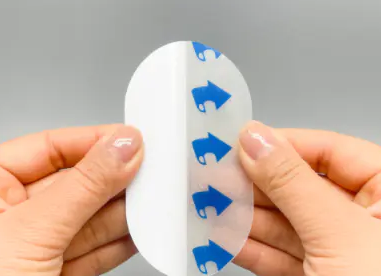
Nursing goals need to shift from promoting healing to preventing damage and alleviating pain. For patients already diagnosed with skin deterioration, frequent turning and dressing changes may do more harm than good. Each movement applies shearing and tearing forces to the already inelastic skin, leading to an expansion of the abrasion area. The focus should shift from aggressive treatment to protective maintenance, including pre-covering bony prominences and skin folds with multi-layered silicone foam dressings. This protection is a covering rather than an adhesive, and the dressing edges should be secured with a tension-free method to avoid damaging the delicate skin with adhesive. Pain control is central to skin deterioration care. Adequate analgesia should be provided before dressing changes, and non-adhesive dressings should be chosen to reduce the frequency of changes. Sometimes, extending the dressing change interval is more in the patient's best interest than strictly adhering to the schedule. For more information on Innomed® Hydrocolloid Dressing Ultra-thin, refer to the Previous Articles. If you have customized needs, you are welcome to contact us; You Wholeheartedly. At long-term medical, we transform this data by innovating and developing products that make life easier for those who need loving care.
Editor: kiki Jia


