
 English
 عربى
عربى Español
 русский
 中文简体
中文简体






Itching at the wound site is one of the most frequently asked questions during dressing changes. Many people see it as a positive sign of healing, believing that itching means tissue is growing. This statement has some merit, but it's not entirely accurate. Itching does often occur in the middle and later stages of wound repair, but it has multiple underlying causes. Some itching is part of the normal healing process, while other itching may indicate infection, allergies, or improper dressing use. Simply equating itching with tissue growth can lead people to overlook more serious abnormalities that require attention.
Does an itchy wound really mean that flesh is growing back?
Once a wound enters the proliferative phase of healing, newly formed capillaries and granulation tissue rapidly fill the defect, epidermal cells migrate from the periphery to the center, and nerve endings regenerate simultaneously. These newly formed nerve endings are highly sensitive to inflammatory mediators in the surrounding environment, such as histamine, prostaglandins, and substance P. These substances stimulate the nerve endings, producing a sensation of itching. Mast cells release histamine during the repair process, which participates in immune defense and also directly causes itching. Therefore, itching can occur in normally healing wounds, but it reflects nerve regeneration and the activity of inflammatory mediators, rather than direct evidence of tissue growth. It is also common for wounds to heal completely without itching; the absence of itching does not indicate that healing has stalled.
Which types of itching are normal signs of healing?
Itching associated with normal wound healing typically has several characteristics. It usually appears several days to weeks after injury, after the acute exudative phase has passed, the amount of exudate has gradually decreased, the granulation tissue is pinkish, and the wound area is shrinking. The itching is concentrated at the wound edges and surrounding skin, is usually intermittent, tolerable, and does not affect sleep or daily activities. There is no significant increase in redness or swelling of the surrounding skin, the skin temperature is not elevated, and there is no purulent discharge or odor. This itching gradually subsides as epithelialization is completed and inflammation resolves. Wounds covered with moist dressings may also itch, as the occlusive environment of the dressing alters the skin's surface humidity and temperature; mild itching is a common reaction.
What types of itching indicate a problem with a wound?
Itching caused by infection is often accompanied by other symptoms. The area of redness and swelling around the wound expands, skin temperature rises, pain worsens and may even become throbbing, and exudate becomes purulent, yellowish-green, or bloody, with a foul odor. Patients may also develop a fever. Itching caused by contact dermatitis is usually related to dressings or ointments; the rash is highly consistent with the shape of the tape or dressing, with clear borders, manifesting as erythema, papules, or even small blisters. The itching is intense, but pain is not significant. Itching caused by maceration often appears on the skin around the wound; the skin becomes white, soft, and wrinkled, and in severe cases, the epidermis peels off. Itching during the scar proliferative phase occurs after the wound has closed; the scar gradually becomes raised, red, and hard, with itching and pain lasting for months, worsened by scratching. Patients with diabetic foot should be especially vigilant about itching in their foot wounds, as neuropathy may mask the pain, and infection may progress unnoticed.
Is it okay to scratch if it's really itchy?
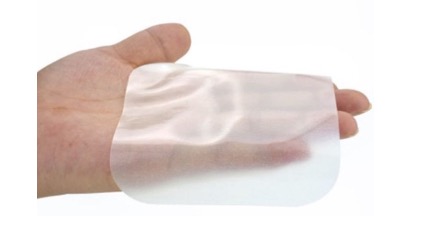
Do not scratch. Scratching will damage the newly formed epithelial layer and granulation tissue, introducing bacteria into the wound and leading to infection and worsening of scarring. To relieve itching, wrap an ice pack in a clean towel and apply it to the intact skin around the wound for five to ten minutes at a time, avoiding direct contact between the ice pack and the wound. Gently patting the skin around the wound, distracting yourself, and keeping the dressing flat can also reduce discomfort. Oral antihistamines should be used under the guidance of a doctor. Do not apply topical ointments to open wounds on your own. Alcohol, iodine, and hydrogen peroxide, which relieve itching, will irritate the wound and do more harm than good. For itching caused by hypertrophic scarring, silicone gel or silicone patches can be used. Continued use for several weeks to months can help reduce itching and inhibit scar thickening.
How can you tell if itching is a good thing or a bad thing?
Observing trends is more important than a single sensation. If the itching gradually decreases, the wound shrinks, exudate decreases, and the surrounding skin returns to normal, it indicates healing-related itching. If the itching worsens daily, or if the redness and swelling expand, exudate increases, or purulent discharge and odor appear, it suggests infection or allergy, requiring immediate medical attention. Regarding the location, itching confined to the wound edges and dressing area is generally normal; itching extending beyond the dressing or distributed along the tape's shape suggests contact dermatitis. Consider accompanying symptoms; itching without pain, fever, or increased swelling is relatively safe, while itching accompanied by these symptoms requires professional evaluation. Wound itching is not conclusive evidence of healing, nor is it necessarily a bad thing; it is simply a signal that needs to be assessed in conjunction with the overall wound condition. For more information on Innomed® Hydrocolloid Dressing, refer to the Previous Articles. If you have customized needs, you are welcome to contact us; You Wholeheartedly. At longterm medical, we transform this data by Innovating and Developing Products that Make Life easier for those who need loving care.


