
 English
 عربى
عربى Español
 русский
 中文简体
中文简体






Three years ago, Mr. Li developed a small blister on the sole of his right foot. He didn't pay much attention to it at the time, thinking it would heal in a couple of days. Three years later, the blister on his foot is still open. Sometimes it looks like it's almost closed, but it splits open again when he walks, repeatedly, like a crack that never truly closes. He has changed his dressings many times, been hospitalized several times, and even controlled his blood sugar, but the wound just won't truly close. This problem plagues not only him but also many diabetic foot patients: why does this wound never heal?
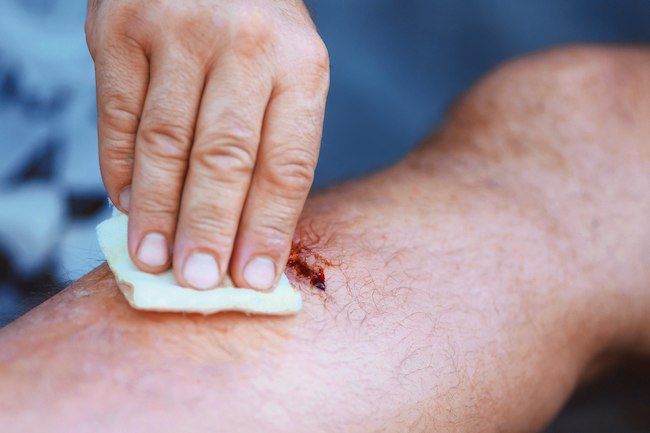
Why do the wounds on the soles of my feet just not heal?
To understand Mr. Li's predicament, we need to consider four factors simultaneously impacting his wounds. Diabetic peripheral neuropathy has deprived his feet of normal pain and protective sensation. Abnormal pressure on his feet cannot be detected and avoided in time, and the high-pressure point continues to act on the same location, repeatedly crushing newly grown tissue. Peripheral vascular disease has resulted in poorer arterial blood supply to his feet than normal, preventing the delivery of oxygen and nutrients needed by the wound. Fibroblasts and endothelial cells lack sufficient raw materials to synthesize collagen and grow new blood vessels. High blood sugar itself impairs his immune cell function, reducing the chemotaxis and phagocytic capacity of white blood cells. Once bacteria enter the wound, the body cannot effectively clear them, and the infection persists. Furthermore, the structure of his foot has changed, creating high-pressure points below the second and third metatarsals. Even after the ulcer heals, it quickly reopens in the same spot whenever he bears weight again.
How could bacteria stay in his wound for three years?
Mr. Li's wound underwent bacterial culture and antibiotic treatment, but the infection kept recurring. A key reason was biofilm formation. In diabetic foot ulcers, a significant proportion of chronic infections are related to biofilm formation. Bacteria are not scattered but clustered together, secreting a layer of polysaccharide matrix to encapsulate themselves. This matrix acts as a barrier, making it difficult for antibiotics to penetrate and reach the bacteria, and also preventing immune cells from effectively contacting and eliminating them. Routine dressing changes and irrigation can remove the surface biofilm, but the deeper biofilm structure remains. Given the right conditions, bacteria will quickly re-aggregate. This is why simply changing dressings and administering oral antibiotics reduces purulent discharge from the wound surface, but the deep sources of infection are not truly eliminated.
Is his blood sugar well controlled?
Mr. Li's fasting blood glucose levels, while not appearing too alarming, consistently showed glycated hemoglobin (HbA1c) levels above 8%. Recent research has revealed an easily overlooked issue: fluctuations in blood glucose levels are more detrimental to wound healing than simple hyperglycemia. A study on diabetic foot ulcer patients found that those with large blood glucose fluctuations had a three times higher risk of wound failure compared to those with smaller fluctuations. When blood glucose levels fluctuate, the vascular endothelium is repeatedly damaged, microvascular vasomotor regulation is disrupted, and local blood flow perfusion at the wound site becomes unstable. Even if average blood glucose levels appear acceptable, fluctuations continue to damage the microenvironment necessary for wound repair. Mr. Li's irregular blood glucose monitoring and inconsistent diet and medication regimens played a significant role in his wound's failure to heal.
Does his body have enough resources to repair the wound?
Wound healing is a high-energy-consuming process requiring significant protein synthesis. Mr. Li, concerned about his blood sugar, had been deliberately controlling his diet for a long time, resulting in insufficient protein intake and a significant weight loss compared to a few years ago. Malnutrition is quite common among diabetic foot ulcer patients; insufficient protein and energy intake directly prolongs the inflammatory phase and limits collagen synthesis. Deficiencies in micronutrients such as vitamin D, vitamin C, and zinc are also common in diabetic foot ulcer patients. These nutrients participate in immune regulation, antioxidant defense, and collagen cross-linking; their deficiency affects all aspects of wound repair. Mr. Li's low serum albumin level means his body is struggling to even maintain the basic protein supply needed for normal tissue repair, let alone synthesize the additional large amounts of collagen and granulation tissue at the wound site.
Was his foot truly relieved of pressure?
This is the most easily overlooked yet often crucial step. Mr. Li's plantar ulcers are located below the second and third metatarsal bones, an area that bears the greatest pressure when he walks. Each time he was hospitalized, his wounds improved significantly with bed rest; however, once he returned home and became active, the wounds would worsen again. Wound healing requires more than just antibiotics and dressing changes; it also requires the wound surface to no longer bear continuous abnormal pressure. Without effective pressure relief, without distributing the pressure from the high-pressure point to other areas through orthotic insoles, braces, or surgery, the ulcers, even if temporarily closed, will repeatedly reopen in the same spot. For three years, Mr. Li had not undergone a systematic plantar pressure assessment and wore only ordinary soft-soled shoes, without any adjustments made to address his foot deformities. Without addressing this deficiency, changing dressings repeatedly would only repeat a process destined to fail.
A diabetic foot wound that fails to heal for three years involves more than just the wound itself. It involves blood sugar stability, blood supply to the foot, nerve protection, bacterial status of the wound, overall nutritional reserves, and pressure distribution on the sole of the foot. If any link in this chain is neglected, the healing process breaks down. Closing the wound requires more than just changing dressings; it requires streamlining all six links one by one . For more information on Innomed® Hydrocolloid Dressing, refer to the Previous Articles. If you have customized needs, you are welcome to contact us; You Wholeheartedly. At longterm medical, we transform this data by innovating and developing products that make life easier for those who need loving care.
Editor: kiki Jia


