
 English
 عربى
عربى Español
 русский
 中文简体
中文简体






Almost every household keeps at least one bottle of disinfectant in their medicine cabinet, with iodine, alcohol, and hydrogen peroxide being the three most common. Many people follow a fixed procedure for treating wounds: first, wipe the area around the wound with alcohol, then rinse the wound with hydrogen peroxide, and finally apply iodine, believing this is thorough disinfection. This procedure seems meticulous, but in reality, each step can potentially cause new damage to the tissue that is trying to repair itself. Disinfectants are designed to kill microorganisms, which are also toxic to human cells; using them on intact skin is completely different from using them on open wounds.
Is povidone-iodine really so mild that it can be used indiscriminately?
Iodine solution (Povidone-iodine) is often the first choice for wound disinfection because it is alcohol-free and less irritating than iodine tincture. Povidone-iodine is a combination of iodine and a carrier polymer. After application, it slowly releases free iodine, which kills microorganisms by oxidizing the proteins and enzymes in bacterial cell walls. The problem is that free iodine does not distinguish between bacterial and human cells. Fibroblasts and keratinocytes will also suffer oxidative damage in an iodine-containing environment, leading to decreased cell proliferation and collagen synthesis. Clinical studies have found that open wounds repeatedly rinsed or treated with iodine solution show slower granulation tissue growth than similar wounds rinsed with saline. Iodine solution is safe for preoperative skin disinfection and use on intact skin surfaces, but for routine cleaning and dressing changes of open wounds, higher concentrations, longer contact times, and more frequent use significantly interfere with wound repair. Low-concentration iodine solution can be used for short periods as an adjunct disinfection of infected wounds, but it should not be a fixed step in every dressing change.
What exactly is the effect of applying alcohol to a wound?
Alcohol's bactericidal mechanism involves protein denaturation, an effect effective against both bacteria and human tissue cells. When alcohol comes into contact with broken skin and wounds, it immediately causes tissue protein coagulation and local cell death, manifesting as severe stinging and burning sensations. As alcohol evaporates, it removes moisture from the skin surface, further drying and dehydrating the wound, exacerbating tissue damage. Wiping intact skin around a wound with alcohol can disinfect it, but once alcohol seeps into the wound, the resulting cytotoxicity and pain far outweigh its bactericidal benefits. Alcohol is more suitable for pre-injection disinfection of intact skin and for disinfecting the surfaces of medical devices; it is not suitable for cleaning and disinfecting open wounds. Disinfection of the skin around a wound should only proceed after the alcohol has completely evaporated and dried to prevent residual alcohol from seeping into the wound.
Does bubbling hydrogen peroxide mean it's killing bacteria?
Hydrogen peroxide produces a large amount of white foam when it comes into contact with a wound, a visual impact that leads many to believe it is a powerful disinfectant. However, the foam comes from the reaction where catalase breaks down hydrogen peroxide to release oxygen. This reaction occurs both within bacteria and human tissue cells, and the foam itself is not a direct indicator of disinfectant effectiveness. While hydrogen peroxide has some killing effect on anaerobic bacteria, it also exhibits clear cytotoxicity to human tissue. It causes protein oxidative denaturation and damages newly formed granulation tissue and capillary endothelial cells. Using hydrogen peroxide to rinse deep cavities carries even greater risks. The rapid decomposition of hydrogen peroxide in confined spaces produces large amounts of oxygen; if this gas cannot escape in time, it can form a gas embolism and enter the bloodstream. The clinical use of hydrogen peroxide has been significantly narrowed; it is only used as an adjunct treatment for specific anaerobic bacterial infections and to remove tightly adhered necrotic tissue. It is not recommended as a routine irrigation solution for home wounds.
How do you clean a wound without disinfectant?
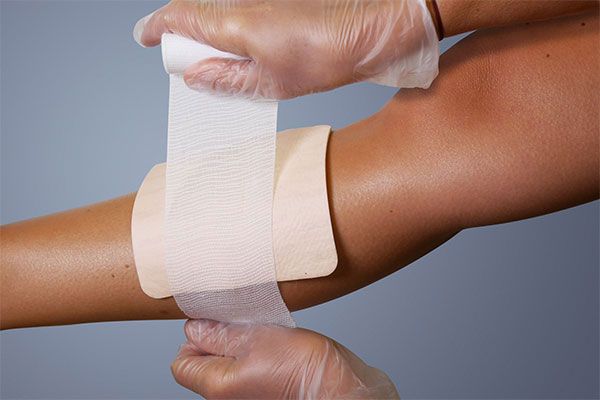
The safest and most effective way to clean a wound is by rinsing it with a sufficient amount of saline solution. The osmotic pressure and pH of saline solution are consistent with human tissue fluid, and it will not cause permeable damage or chemical toxicity to wound cells. The physical force of rinsing removes bacteria, necrotic tissue fragments, and residual ointment from the wound surface, achieving the purpose of cleaning. This process does not rely on the chemical bactericidal effect of disinfectants. If saline solution is unavailable at home, boiled and cooled warm water can be used as a substitute. Running tap water can also be used for rinsing acutely contaminated wounds. For wounds with a high risk of infection, silver ion dressings or medical-grade antibacterial dressings can be selected under the guidance of a doctor. The release of antibacterial components in these dressings is controlled, and their toxicity to normal tissue is far lower than that of directly pouring disinfectant. Alcohol wipes or iodine swabs can be used to disinfect the intact skin around the wound, but care should be taken not to allow disinfectant to flow into the wound. Wait until the disinfectant around the skin has dried before applying the dressing. Disinfectants are tools for treating items and intact skin, not routinely used for treating open wounds. Remove your household disinfectant from your wound dressing routine; instead, use saline solution for rinsing and appropriate dressings to allow the wound to heal in a chemical-free environment. For more information on Innomed® Hydrogel Dressing, refer to the Previous Articles. If you have customized needs, you are welcome to contact us; You Wholeheartedly. At long-term medical, we transform this data by innovating and developing products that make life easier for those who need loving care.
Editor: kiki Jia


