
 English
 عربى
 Español
 русский
 中文简体





Acne patches are effective for mature pimples, a fact many people have experienced: a pimple with a whitehead will noticeably shrink the next day after applying a patch overnight. However, the same patch often has no effect on closed comedones or hard, deep cystic pimples. Why is there such a big difference.
The principle determines its scope of application.
Acne patches work by "absorbing": they use hydrocolloid materials to absorb the exudate and pus from the surface of the pimple, forming a gel. This mechanism has a prerequisite—there must be something to absorb.
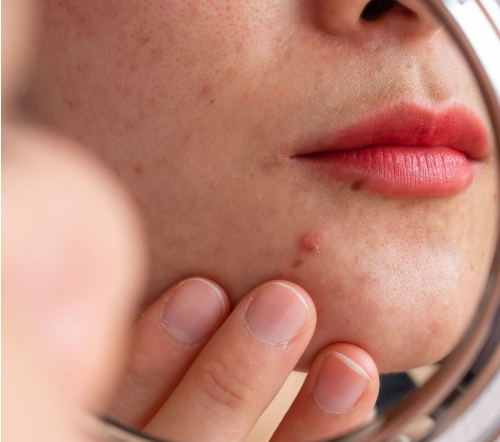
Mature, inflammatory pimples with white pustules are in the stage of draining their contents. The pimple patch catches these pimples, absorbing the contents and causing them to naturally shrink. Its effectiveness against this type of pimple has a solid correlation with the target pimple's condition.
Why is there no reaction from closed comedones?
Closed comedones are formed when dead skin cells and sebum clog deep within the pores. There is no inflammation or exudation; the contents are all beneath the skin. Acne patches absorb the "surface" substances, and there is no liquid inside closed comedones that can be absorbed from the surface.
Expecting to remove closed comedones with patches is like using a vacuum cleaner to suck up nails embedded in the wall—the tool and the problem are mismatched. The solution for closed comedones lies in ingredients that regulate the stratum corneum (such as retinoids and salicylic acid). For severe cases, consult a dermatologist, not rely on physical adsorption.
Why should we be more careful with cystic acne and nodular acne?
Large, hard, painful to the touch, cystic and nodular pimples with no visible tip indicate deep-seated inflammation. They don't require suction; they need anti-inflammatory and deep-seated treatment. Prolonged, occlusive covering of these pimples can worsen the deep inflammation, leading to prolonged swelling and a higher probability of scarring.
The proper place to treat this type of acne is a dermatologist—medication, needle extraction, and local injections are all well-established treatment options. Acne patches are not the main issue here; they are merely a secondary element used to clean up the wound after it has broken open.
At what stage of acne is applying patches most effective?
The two opportunities are the most valuable.
One is when the pimple has already formed a whitehead and is about to burst. Applying the poultice at this time can both draw out the contents and prevent you from touching it—many people's pimples get worse because of this "impulsive" action.
Another type is pimples that have already broken or been squeezed. In this case, it's no longer about sucking out the pimple, but rather about providing moisturizing care to an open wound: isolating bacteria, absorbing exudate, keeping it moist, resulting in a thinner scab, faster healing, and a significantly lower chance of leaving dark acne scars. Applying it immediately after cleaning the pimple after squeezing is almost the most cost-effective way to use acne patches.
Wear it overnight, pay attention to two small details
To ensure acne patches are effective, there are specific steps to the application process. First, for those with oily faces, make sure the area where you're applying the patch is extremely dry beforehand; otherwise, it will peel off before morning. Second, for those who tend to rub their face against their pillow or sleep on their side, even though acne patches are waterproof and rub-resistant, the edges can still easily peel off due to friction from being pressed against them all night. If it peels off, replace it with a new one; don't make do.
Another point that is often overlooked is that when applying a pimple patch, avoid touching the hydrocolloid layer in the middle. Hold the patch by the edges and apply it. If the middle gets oily, the suction power will be greatly reduced.
For more information on Innomed®Acne Plaster, Refer to the Previous Articles. If you have customized needs, you are welcome to contact us; You Wholeheartedly. At longterm medical, we transform this data by Innovating and Developing Products that Make Life easier for those who need loving care.
Editor: kiki Jia


