
 English
 عربى
عربى Español
 русский
 中文简体
中文简体






The frequency of dressing changes is one of the most controversial issues in home wound care. Some people believe that daily dressing changes ensure cleanliness, and worry about infection if they don't change the dressing for even a day. Others have heard that frequent dressing changes can damage newly formed tissue, so they delay changing the dressing every three days regardless of the wound's condition. Both approaches turn a dynamic issue that should be adjusted based on specific circumstances into a fixed rule. There is no absolute right or wrong in terms of dressing change frequency; it's only a matter of whether it matches the current wound condition. To determine if the frequency is appropriate, one should consider the amount of exudate, the degree of infection, the type of dressing, and the wound's healing stage, not just the number of days shown on a calendar.
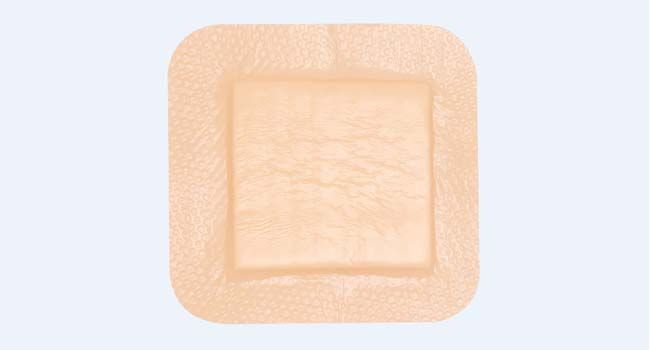
Does changing the dressing every day necessarily make it cleaner?
For wounds with severe infection, large exudate, and obvious purulent discharge, daily dressing changes, or even twice a day, are necessary. Prolonged retention of pus and necrotic tissue in the wound allows bacteria to multiply rapidly, and the exudate soaking the surrounding skin causes maceration and erosion, increasing the risk of infection spreading deeper. These types of wounds require frequent dressing changes to drain exudate and remove bacteria and necrotic debris. However, for clean wounds with minimal exudate that have entered the granulation and epithelialization stages, daily dressing changes are actually harmful. Each time the dressing is removed, it mechanically pulls on the newly formed epithelium and granulation tissue, repeatedly tearing away newly emerging epithelial cells and artificially interrupting the healing process. The repeated contact of cleaning and disinfectant solutions during dressing changes with the wound surface can also be toxic to newly formed cells. Therefore, daily dressing changes are beneficial during the infection phase, but may be detrimental during the proliferative and epithelialization phases.
Will changing the dressing every three days delay the risk of infection?
Whether changing dressings every three days is safe depends on the type of dressing and the amount of wound exudate. Modern moist wound dressings, such as foam dressings, hydrocolloid dressings, and alginate dressings, are designed to remain in place for two to three days or even longer. They absorb exudate while keeping the wound moist, preventing backflow, and isolating external bacteria. For clean postoperative incisions, superficial abrasions, and chronic wounds with little exudate, changing dressings every three days after a professional assessment is perfectly feasible, and reducing the frequency of dressing changes helps protect newly formed tissue. However, for infected wounds with large amounts of exudate, the dressing may become saturated within a day. Continuing to leave it on until the third day is equivalent to soaking the wound in exudate for an extended period, causing the surrounding skin to turn white and ulcerate. Bacteria multiply rapidly in the saturated dressing, and the infection not only fails to be controlled but also worsens. The moment the dressing becomes saturated with exudate, its barrier function is lost, and continuing to leave it in place is pointless.
What are the key factors that determine the frequency of dressing changes?
The first factor is the amount of exudate. Small exudate means the inner layer of the dressing is only slightly moist and can be changed every two to three days. Moderate exudate means the middle layer of the dressing is soaked through and usually needs to be changed daily or every other day. Heavy exudate means the outer layer of the dressing, or even clothing, is soaked through and requires daily changes or even twice a day. The second factor is the infection status. Wounds with purulent discharge, odor, and surrounding redness, swelling, heat, and pain require more frequent dressing changes and the use of antibacterial dressings. The third factor is the type of dressing. Ordinary gauze has limited absorption capacity and must be changed after it becomes soaked. Foam dressings and hydrocolloid dressings can be left on for longer periods. The fourth factor is the depth and location of the wound. Deep cavities and sinuses require packing and drainage; the frequency of dressing changes depends on the amount of drainage. Joint areas and easily contaminated areas require closer observation. The fifth factor is the patient's overall condition. Patients with diabetes, immunosuppression, and malnutrition have a higher risk of infection and require more frequent observation.
How can I determine if the current frequency of dressing changes is appropriate at home?
Observe several indicators each time you change the dressing. If the wound base is red and moist after removing the dressing, the exudate is clear and decreasing in amount, the surrounding skin is intact and not whitened, and the pain gradually decreases, the current frequency is appropriate. If the dressing is soaked with exudate before the scheduled change time, or if there is a noticeable odor when removed, the surrounding skin is red and swollen, and the pain is worse, the frequency is too low and the interval needs to be shortened. If you see bleeding, tearing of new epithelium, and no reduction in wound size with each dressing change, the frequency is too high and the interval needs to be extended or a dressing that can be left on for a longer period needs to be used. The frequency of dressing changes is not a fixed prescription; it gradually decreases as the wound progresses from the infection phase to the proliferative phase and then to the epithelialization phase. During the infection phase, it may be once a day; during the granulation phase, it may be once every two days; and during the epithelialization phase, it may be once every three to five days. Each dressing change is an opportunity for assessment. Deciding when to change the dressing next based on the current wound condition is more reasonable than mechanically adhering to daily or three-day schedules. For more information on Innomed® Hydrogel Dressing, refer to the Previous Articles. If you have customized needs, you are welcome to contact us; You Wholeheartedly. At long-term medical, we transform this data by Innovating and Developing Products that Make Life easier for those who need loving care.
Editor: kiki Jia


