
 English
 عربى
عربى Español
 русский
 中文简体
中文简体






When changing dressings at home, most people judge the size of a wound by glancing at it and making an estimate. It might seem smaller today, but after a few days it might seem unchanged. However, human visual estimation varies greatly under different lighting, angles, and distances. The perceived size of the same wound can differ by more than 30% when viewed from directly above versus from the side. The cumulative error from several days of visual estimation is completely unreliable as a basis for judging the healing trend. The rate at which the wound shrinks during healing is one of the most objective indicators of whether the treatment is proceeding correctly. Typically, a normally healing wound shrinks by 10% to 15% per week. This change is extremely difficult to detect with the naked eye, but it can be clearly shown by comparing measurements taken with a ruler.
What data should be measured for wound diagnosis?
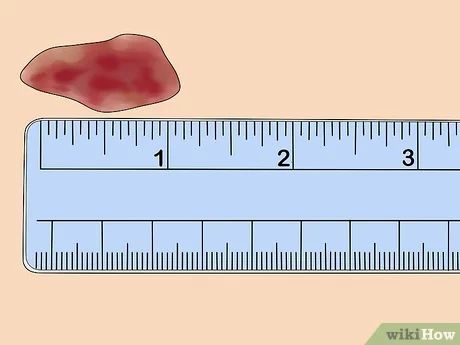
Measuring a wound involves more than just measuring its longest and widest point. A standard two-dimensional wound measurement includes four measurements: maximum length, maximum width, depth, and the direction and depth of any undermining or sinus tract. Length is measured from head to toe, representing the maximum straight-line distance from the head to the toes when the patient is lying flat. This direction is chosen to avoid incomparable data due to inconsistent measurement directions by different caregivers. Width is measured as the maximum distance perpendicular to the length, representing the widest point of the wound. Depth is measured by inserting a sterile swab into the deepest part of the wound. The swab is then pinched to a mark at the level of the skin, and the length is recorded on a ruler after removal. If there is an undermining cavity below the wound edge, meaning the subcutaneous tissue defect extends beyond the skin opening, the swab should be inserted along the undermining direction, and the location and depth recorded using a clock face (e.g., 1.5 cm at the 12 o'clock position). This record is helpful in assessing the spread of subcutaneous infection and selecting a packing method. Each measurement must be performed in the same direction and using the same method to ensure meaningful longitudinal comparisons of the data.
Besides the dimensions, what other information needs to be recorded ?
The type and proportion of tissue at the wound base are just as important as the size of the wound. Judging healing quality cannot be based solely on area reduction without considering tissue composition. Each measurement should observe the percentage of the total wound area occupied by black eschar, yellow necrotic tissue, red granulation tissue, and pink epithelium. The sum of these four percentages should equal 100%. Ideally, the trend should be an increasing proportion of granulation tissue and epithelium, and a decreasing proportion of eschar and necrotic tissue. If the area shrinks but the proportion of necrotic tissue increases, it may simply be edge contraction masked by necrotic tissue, not true healing. The color, viscosity, and amount of exudate also need to be recorded. A simple grading system using plus signs can be used: one plus sign indicates a small amount of exudate only wetting the inner layer of the dressing; two plus signs indicate exudate penetrating the middle layer of the dressing but not reaching the outer layer; three plus signs indicate exudate penetrating the entire dressing layer and even leaking into clothing. The presence and characteristics of odor are also worth recording each time. Normal wounds have almost no odor or only a slight normal exudate odor during dressing changes. The presence of a fishy, sweet, rotten, or sour odor is a clue to worsening infection or the proliferation of specific pathogens. The condition of the skin around the wound should also be recorded, including the presence and extent of redness and swelling, maceration or whitening, and the presence of rashes or blisters. This complete record of information not only creates a wound size profile, but also a comprehensive overview of the healing process that can be traced back.
How can I establish reliable measurement records at home using simple tools?
In a home setting, no complicated professional equipment is needed. A simple measuring tape, a pack of sterile cotton swabs, a marker, and a notebook or phone memo pad are all you need for a complete recording kit. Use a flexible, disposable paper or plastic measuring tape. After each measurement, disinfect it with an alcohol swab. It's recommended to replace the paper tape every two weeks to prevent bacterial residue. Before measuring, clean the wound with saline solution to remove surface ointment and exudate. Cleaning ensures the wound tissue color and boundaries are closest to its true state. Place the measuring tape flat next to the wound, head to toe. Take a photo of the wound with the tape in the picture from directly above using your phone. This photo will record both the size and appearance of the wound that day. After taking the photo, measure the actual length and width with the measuring tape and record the numbers in your notebook. Then, use a cotton swab to measure the depth. Record the information in the following order: date, length, width, depth, tissue type/proportion, exudate level, odor, and surrounding skin condition. Complete each blank to create a complete record. The photos on my phone and the written notes in my notebook serve as backups of each other. When I go for a follow-up appointment, I bring this notebook to show the doctor, and the changes in the wound are clearly visible. It is much more accurate than a verbal description that the wound has shrunk a little over the past two weeks.
For more information on Innomed®Wound Skin Closure, refer to the Previous Articles. If you have customized needs, you are welcome to contact us; You Wholeheartedly. At long-term medical, we transform this data by innovating and developing products that make life easier for those who need loving care.
Editor: kiki Jia


