
 English
 عربى
عربى Español
 русский
 中文简体
中文简体






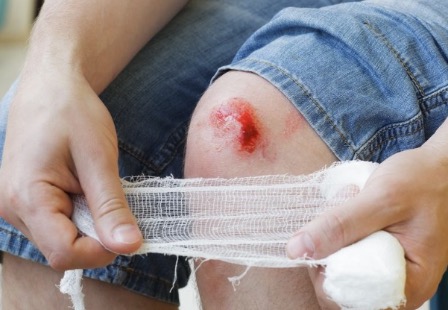
The wound has been dressed several times but isn't healing. Is there something wrong with my body, or is the care method incorrect? Many people's first reaction is to suspect high blood sugar or poor nutrition, but few consider that the problem might lie with the dressing. Choosing the wrong dressing can indeed slow down wound healing or even halt it altogether.
Should your wound be dry or wet?
This is a very common misconception. In the past, people believed that a wound was healthy only when it was dry and scabbed over. However, the current consensus in wound care is that a moderately moist environment is more conducive to cell growth. If a wound has little exudate, using dry gauze can easily dehydrate the wound, reduce cell activity, and slow down healing. Conversely, if a wound has a lot of exudate but a highly occlusive dressing is used, the exudate cannot drain, the surrounding skin becomes whitish from soaking, and bacteria can easily grow. Therefore, before choosing a dressing, first determine whether the wound has a lot or little exudate. For a lot of exudate, choose an absorbent dressing; for a little exudate, choose a moisturizing dressing. With the right approach, healing can begin smoothly.
Can the same dressing be used for wounds of different colors?
The color of the wound base is an important clue for choosing a dressing. Bright red granulation tissue indicates normal healing. At this stage, it's necessary to protect the new tissue. Choose a non-adhesive dressing that keeps the wound moist, such as a hydrocolloid or silicone dressing, to avoid tearing and pain during dressing changes. Yellow or white necrotic tissue indicates the presence of dead tissue that needs to be cleaned. In this case, a hydrogel can be used to soften the necrotic tissue, helping the body to cleanse itself. Change to a different dressing once the wound is clean. Black eschar, especially in pressure sores or diabetic foot ulcers, should never be forcibly removed. It can be softened slowly with a hydrogel or enzymatic debridement dressing, and then assessed and treated by a professional healthcare worker. Simply covering necrotic tissue with a dressing will prevent granulation tissue from growing, thus hindering healing progress.
The amount of exudate affects the choice of wound dressing:
Some wounds require dressing changes several times a day, while others are so dry they're almost devoid of moisture. The dressings used in these two situations are completely different. When there's a lot of exudate, highly absorbent dressings are needed, such as alginate or foam dressings, which absorb excess exudate and keep the wound clean. When there's little exudate, moisturizing dressings are needed, such as hydrocolloid or film dressings, which lock in moisture and create a humid environment for cell migration. Choosing the wrong absorbency—using a moisturizing dressing for a wound with a lot of exudate, preventing drainage; or using a highly absorbent dressing for a wound with little exudate, causing the wound to dry and crack—will halt healing.
The choice of dressing depends on the location of the wound.
On fingers, toes, and joints, dressings are prone to falling off and are uncomfortable to wear. In these cases, choose elastic dressings that stretch with movement, or use self-adhesive elastic bandages for outer fixation; this is more secure than simply using tape. On flat areas like the back and abdomen, dressings are less likely to fall off. Choose slightly larger dressings with edges extending at least 3 centimeters beyond the wound for a more secure hold. Dressings that are too small will curl up after a few movements, offering no protection whatsoever. If not properly secured, the dressing is useless, exposing the wound to friction and contamination, naturally hindering healing.
Are you changing dressings at the right frequency?
Changing the dressing too frequently can interfere with new tissue growth; changing it too infrequently will cause the dressing to become saturated with exudate and lose its effectiveness. Infected wounds usually need to be changed daily to observe for improvement. Clean wounds can be changed every 2 to 3 days to minimize interference with the wound surface. If the dressing itself is designed to be worn for several days, such as certain negative pressure dressings or high-grade foam dressings, follow the instructions and don't tear it off prematurely. So how do you know when to change it? When you see exudate almost soaking through the outer layer, or when the edges of the dressing curl up or become loose, it's time to change it. Don't wait until it completely falls off before you remember.
If your wound is healing slowly, don't rush to blame your body. Check if you've chosen the right dressing: Is there a lot of exudate? This determines whether to use an absorbent or moisturizing dressing. What color is the wound base? This determines whether debridement is necessary. Where is the wound located? This determines how to fix it. Is the dressing being changed correctly? This determines its continued effectiveness. Choosing the right dressing can make your wound heal faster than you think. If you're unsure which type to use, ask your doctor or wound therapist; it's much more reliable than just grabbing a roll from the pharmacy. For more information on Innomed® Hydrocolloid Dressing, refer to the Previous Articles. If you have customized needs, you are welcome to contact us; You Wholeheartedly. At long-term medical, we transform this data by Innovating and Developing Products that Make Life easier for those who need loving care.
Editor: kiki Jia


