
 English
 عربى
عربى Español
 русский
 中文简体
中文简体





Many people struggle with whether or not to use pimple patches after a pimple has popped. Some believe they reduce inflammation, while others worry that the suffocating feeling might be worse. The answer is: you can use them, but it's crucial to choose the right time, the correct type, and the correct method. Using them correctly can aid healing, while using them incorrectly might actually delay recovery.
The first key to getting a pimple to pop is timing.
When a pimple first bursts, the skin barrier is already damaged, so the most important thing at this time is to clean the wound thoroughly. Gently absorb the oozing pus and blood with a sterile cotton swab, then disinfect with saline solution or mild iodine. It's only suitable to apply a pimple patch when there's no more fluid oozing from the wound. If you apply it while it's still oozing, the patch will quickly become saturated, potentially sealing in bacteria and secretions, which is not conducive to healing.
Have you chosen the right type of acne patch?
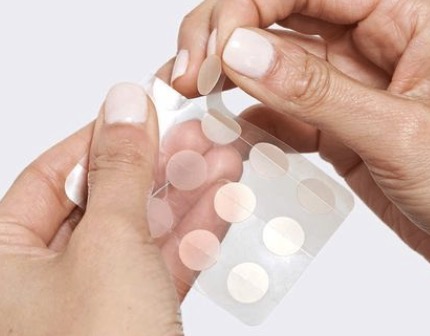
There are two common types of acne patches on the market: one is called artificial skin, which is the traditional hydrocolloid dressing; the other is a functional acne patch with added salicylic acid, tea tree oil and other functional ingredients.
Artificial skin type acne patches are suitable for use on freshly broken pimples. Their main function is to absorb exudate, isolate contaminants, and maintain a moist environment, creating conditions for the wound to heal itself. These acne patches do not contain any medication; they provide physical protection and are relatively safe to use.
Functional acne patches, especially those containing acids or anti-inflammatory ingredients, are not suitable for direct application to open wounds. While these ingredients may help intact skin, they can irritate open wounds and even delay healing. Therefore, after a pimple has broken, a regular hydrocolloid acne patch is sufficient; there's no need to seek out a functional one.
How long should it be applied?
Acne patches shouldn't be left on for too long. Generally, after a few hours, you'll see a white layer – that's absorbed fluid. When the white area almost completely covers the patch, it's time to replace it. Depending on the amount of fluid absorbed, it usually needs to be changed every half day to a day. If you don't change it, the patch will become saturated and turn into a breeding ground for bacteria.
When can I stop wearing the patches? Once the pimple's surface has smoothed out, stopped oozing, and the wound is mostly closed, you can stop wearing the patches. At this point, the wound needs to breathe; continuing to wear the patches might actually cause new pimples to form on the surrounding skin.
When is it not suitable to apply it?
If the pimple opening is large or deep, or if there is obvious redness, swelling, heat, and pain around it, it indicates a potentially severe infection. In this case, applying pimple patches yourself may not be effective, and it is recommended to seek medical attention. Another situation is when several pimple openings merge together, forming a confluent inflammation that cannot be covered by a single pimple patch, requiring professional debridement.
Additionally, if you've used a medicated cream on your face, such as an antibiotic ointment or a retinoid cream, it's best to consult a doctor before applying acne patches. Using some creams and acne patches together may affect their effectiveness or increase irritation.
How should I care for the skin around my acne patches?
Acne patches cover the broken skin itself, but the surrounding skin also needs attention. Before applying the patch, cleanse the entire area with a gentle facial cleanser, avoiding vigorous rubbing. When applying, ensure the patch adheres completely to the skin, pressing the edges firmly to prevent bacteria from entering through gaps. When removing the patch, if it's stuck on tightly, moisten the edges with saline solution before gently peeling it off. Do not tear it off forcefully to avoid damaging the surrounding healthy skin.
Are acne patches and artificial skin the same thing?
Artificial skin is a type of medical dressing, usually in large sheets that need to be cut to size and used for larger wounds. Acne patches are a smaller, packaged version of artificial skin, specifically designed for small areas of acne. Therefore, in terms of materials, they are similar. If you have a large sheet of artificial skin at home, you can cut it to the appropriate size and apply it to the acne; the effect is the same.
You can use pimple patches after a pimple has broken, but you need to do a few things right: First, clean the area thoroughly and wait until the oozing has mostly stopped before applying the patch; choose a regular hydrocolloid type, not a functional one; change the patch regularly, don't use one patch for the entire time; stop using it once the wound has healed to allow the skin to breathe. By following these steps, pimple patches can help protect damaged skin, reduce the risk of infection, and help pimples heal faster. For more information on Innomed® Acne Plaster, refer to the Previous Articles. If you have customized needs, you are welcome to contact us; You Wholeheartedly. At long-term medical, we transform this data by Innovating and Developing Products that Make Life easier for those who need loving care.
Editor: kiki Jia


