
 English
 عربى
عربى Español
 русский
 中文简体
中文简体






Wounds in diabetic patients heal more slowly and are more prone to infection than in healthy individuals. Many people focus on controlling their blood sugar but neglect the choice of dressings. In fact, using the right dressing can buy a lot of time for the wound to heal; using the wrong one can worsen the situation. Diabetic patients should not only rely on advertisements when choosing dressings, but also consider the specific needs of their wound.
What are the characteristics of diabetic wounds?
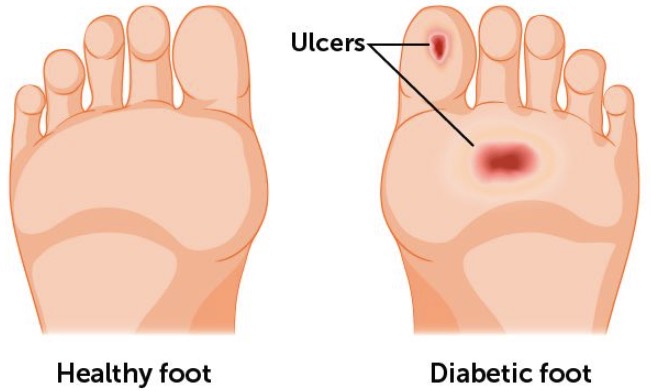
Patients with diabetes share several common wound problems. Poor blood circulation means oxygen and nutrients don't reach the wound site, leading to slow healing. Reduced sensation makes small wounds easily overlooked, and by the time they are noticed, infection may have already occurred. Furthermore, high blood sugar levels promote bacterial growth, significantly increasing the risk of infection compared to healthy individuals. Therefore, these characteristics must be considered when selecting dressings.
What kind of dressing should be used for a superficial wound?
If the wound is merely a superficial abrasion without significant exudate, a hydrocolloid dressing or a thin film dressing can be used. These dressings keep the wound moist, promote epithelial cell migration, and isolate external bacteria. Hydrocolloid dressings also have a certain cushioning effect and can provide protection when applied to pressure-prone areas such as the soles of the feet or toes.
However, it's important to note that hydrocolloid dressings are not suitable for wounds with excessive exudate. If the wound already has secretions, using hydrocolloid dressings can actually cause the exudate to accumulate and irritate the surrounding skin.
What should I choose for a wound that is oozing fluid?
Diabetic foot ulcers or pressure sores often have varying degrees of exudation. In such cases, the dressing should be selected based on the amount of exudation.
For wounds with minimal exudate, foam dressings or hydrocolloid dressings can be used. Foam dressings are soft and have moderate absorbency, and when applied to bony prominences such as the heel or ankle, they can provide cushioning.
For wounds with moderate to heavy exudate, more absorbent dressings are needed. Alginate dressings or highly absorbent foam dressings are commonly used choices. These dressings can absorb exudate, keeping the wound relatively clean and reducing the frequency of dressing changes.
What should I do if a wound shows signs of infection?
If a diabetic patient's wound becomes red, swollen, hot, or the oozing becomes cloudy or has an unusual odor, it indicates a possible infection. In this case, an antibacterial dressing is needed.
Silver-containing dressings are commonly used antibacterial dressings in clinical practice. The continuous release of silver ions inhibits bacterial growth. For wounds at risk of infection, or wounds that have already developed minor infections, silver-containing dressings are a reasonable choice.
However, it's important to note that silver-containing dressings are not suitable for all infected wounds. If the infection is severe, such as with an abscess or deep tissue infection, dressings alone are insufficient, and a doctor will need to clean the wound and administer systemic antibiotics.
How can I protect the delicate skin around the wound?
If a diabetic patient has poor blood sugar control over a long period, their skin may become thin, dry, and easily damaged. When choosing dressings, the irritation level of the adhesive should also be considered.
Silicone dressings or silicone adhesive dressings are less irritating to the skin and won't pull or tug at the skin when removed. These dressings are particularly suitable for chronic wounds that require frequent dressing changes. If the patient's skin is already very fragile, avoid using ordinary tape or dressings that are too sticky.
How often should the dressing be changed?
For diabetic patients, wound dressing changes should not be done too frequently, nor too infrequently. The frequency of dressing changes should be determined based on the characteristics of the dressing and the amount of wound exudate.
Alginate dressings and foam dressings can generally last for 2 to 3 days, and even longer if there is not much exudate. Silver-containing dressings can also provide continuous release for more than 72 hours and do not need to be changed daily. Frequent tearing of dressings can damage newly formed granulation tissue.
However, there is one situation that requires special attention: if the dressing is soaked with exudate, or has an odor or discolored exudate, it must be changed immediately; do not try to tough it out. Daily wound checks are necessary, but this does not mean changing the dressing every day.
What are the special requirements for dressings for diabetic foot?
Diabetic foot ulcers often occur on the soles of the feet or toes, areas that bear the weight of the patient. Therefore, when choosing dressings, pressure relief and cushioning functions should also be considered.
Foam dressings have a certain thickness, which can distribute pressure. If there are calluses around the wound, or if the wound is on a weight-bearing area on the sole of the foot, an additional pressure-relieving pad can be added over the dressing, or special pressure-relieving shoes can be worn. Relying solely on dressings to absorb pressure is insufficient; overall management is necessary.
When choosing dressings for diabetic patients, several key points should be considered. The amount of exudate should determine whether to use a moisturizing or absorbent dressing. The risk of infection should influence whether a silver-containing dressing is needed. The condition of the surrounding skin should determine the type of adhesive. The location of the wound should determine whether cushioning is required. Remember, dressings are only an aid; controlling blood sugar, regular foot checkups, and wearing appropriate shoes are fundamental. If unsure, consult a doctor or wound therapist; it's much safer than trying things out yourself. For more information on Innomed® Silver Ion Dressing Foam, refer to the Previous Articles. If you have customized needs, you are welcome to contact us; You Wholeheartedly. At long-term medical, we transform this data by Innovating and Developing Products that Make Life easier for those who need loving care.
Editor: kiki Jia


