
 English
 عربى
عربى Español
 русский
 中文简体
中文简体





Many people's first reaction upon hearing about negative pressure wound therapy is worry about pain. After all, the term "negative pressure" doesn't sound very gentle, as if it involves sucking things out of the wound. In reality, when performed correctly, negative pressure therapy does not cause unbearable pain; in fact, many people report that it is much more comfortable than traditional dressing changes. But why does it sometimes hurt? How can the treatment process be made more comfortable? Here, we'll break down the common situations to clarify.
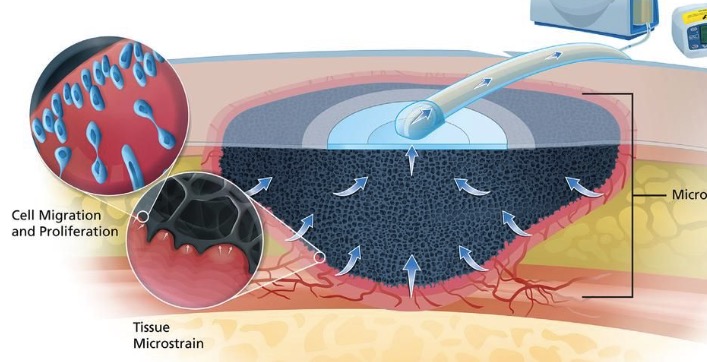
How exactly does negative pressure therapy work?
In simple terms, negative pressure wound therapy involves using a machine connected to a specialized dressing to create a sealed negative pressure environment on the wound surface. This negative pressure is not a forceful suction, but rather a continuous, controlled, low-intensity suction. It primarily does three things: absorb excess exudate, help the wound edges close, and promote granulation tissue growth. Therefore, its purpose is not to create stimulation, but rather to create a stable healing environment.
Why do some people feel pain?
The pain is usually not caused by the negative pressure itself, but by several details.
Dressing changes are the most painful part of the process. Negative pressure dressings need to be applied tightly to create negative pressure. Some dressings have very strong adhesive, and improper removal can pull on the skin. The solution is to first moisten the edges with saline solution or a medical adhesive remover, wait for the adhesive to soften, and then slowly peel it off; do not tear it off forcefully. Furthermore, modern negative pressure dressings have undergone many improvements; some models are specifically designed with a non-adhesive contact layer for wounds, significantly reducing pain during dressing changes.
Another issue is that the negative pressure setting is too high. Negative pressure therapy isn't about higher pressure being better; generally, maintaining it between -80 and -125 mmHg is sufficient. If the equipment pressure is too high, or if there are unfilled dead spaces under the dressing, a pulling sensation or discomfort may occur. In proper procedures, the doctor or nurse will adjust the pressure based on the wound condition and the patient's tolerance; the patient doesn't need to worry about this.
Exposed nerve endings in the wound can also be a source of pain. This is especially true for newer wounds where granulation tissue hasn't fully healed, leaving nerves directly exposed; any contact can cause pain. However, negative pressure wound therapy helps these nerve endings to be covered by newly formed granulation tissue, so as treatment progresses, the pain usually lessens rather than intensifies.
What does it feel like during treatment?
Many people describe the sensation when negative pressure therapy is turned on as a slight sucking or tightening feeling, but not sharp pain. The machine usually works intermittently, for example, pumping for 5 minutes and then stopping for 2 minutes, so that the skin experiences alternating relaxation, making it less likely to cause continuous discomfort. Some people may feel a little uncomfortable at first, but after a day or two, they won't feel much of a difference.
Which is more painful, changing dressings or traditional dressings?
Regarding this issue, those who have used it usually say that negative pressure wound therapy is more comfortable. Traditional dressing changes require daily removal of the old dressing, cleaning the wound, and then applying a new one. This repeated tearing, rubbing, and rinsing can be quite irritating to the wound. Negative pressure wound therapy, on the other hand, can be worn continuously for 3 to 7 days without the daily hassle of changing the wound. Fewer dressing changes mean less irritation. Therefore, many patients report that the most noticeable change after using negative pressure is no longer having to endure the pain of daily dressing changes.
In what situations do we need to pay special attention?
If you experience severe stinging, burning, or persistent pain during negative pressure therapy, inform medical staff immediately. This could indicate a blood clot blocking the dressing, a need to adjust the pressure, or signs of worsening infection. Additionally, if the pain occurs suddenly, check for kinks in the tubing and any alarms from the machine.
Some patients experience pain related to body position, such as when a dressing is applied to their back or buttocks and they lie down, putting pressure on it. In these cases, adjusting the patient's position or placing soft padding around the dressing can help distribute the pressure.
Can painkillers be used to relieve the pain?
If the pain significantly interferes with rest, pain medication can be used under the guidance of a doctor. However, in most cases, the pain caused by negative pressure therapy itself is mild and manageable, requiring no additional medication. More importantly, discomfort can be reduced at its source by adjusting the dressing, optimizing pressure, and protecting the skin.
Negative pressure wound therapy (NPWT) is not a treatment method that comes at the cost of pain. When performed correctly, it produces a mild suction sensation rather than unbearable stinging. What's truly uncomfortable is often the tearing during dressing changes, improper pressure settings, or problems with the wound itself. If you are considering or have already started NPWT, communicate with your healthcare provider to adjust the pressure to the appropriate level and use the correct method when changing dressings. The process is actually much gentler than you might imagine. For more information on Innomed® Negative Pressure Dressing, refer to the Previous Articles. If you have customized needs, you are welcome to contact us; You Wholeheartedly. At long-term medical, we transform this data by Innovating and Developing Products that Make Life easier for those who need loving care.
Editor: kiki Jia


