
 English
 عربى
عربى Español
 русский
 中文简体
中文简体






When pressure injuries, commonly known as pressure ulcers, are mentioned, most people immediately think of elderly people who are bedridden for extended periods. However, children, especially infants, are also at high risk of pressure injuries. Furthermore, because children's skin structure and physiological characteristics differ significantly from adults, the mechanisms and common sites of pressure ulcer development are unique, a problem that has been consistently underestimated in pediatric nursing. Newborns have epidermal thicknesses only 40% to 60% of adults', with thinner stratum corneum and less tighter connections between the dermis and epidermis. Therefore, the threshold for tissue damage caused by the same pressure and shear force on children's skin is much lower than in adults. Critically ill children in pediatric intensive care units, due to hemodynamic instability, the use of multiple vasoactive drugs and sedative-muscle relaxants, and a lack of ability to change position, have an even higher incidence of pressure ulcers than critically ill adult patients. This fact has been confirmed in several multicenter epidemiological surveys in recent years.
Where do pressure sores most commonly form in children?
Unlike adults, where the pressure distribution is primarily concentrated on the sacrum and coccyx, children's weight distribution and pressure points change with age. Infants and toddlers have a relatively large head circumference, resulting in a high concentration of pressure on the occiput when supine. The occiput is the most common site of pressure sores in newborns and infants; prolonged lying on a hard examination table or an unpadded incubator tray can lead to ischemia and necrosis of the skin in this area. Even in older children who are bedridden for extended periods during hospitalization, the sacrum and coccyx remain a risk area. However, another easily overlooked risk factor is pressure injuries related to medical devices. Various tubes and fixation devices used on children, such as nasotracheal tube fixation wings, oxygen saturation probes, blood pressure cuffs, neck braces, plaster cast edges, and continuous positive airway pressure nasal cannulas and masks, have small contact areas with the skin but high pressure per unit area. Contact time can often be several hours or even days, resulting in a significant proportion of irregularly shaped pressure sores in pediatric patients. The auricle is also a common site for pressure sores from medical devices in children. The straps of nasal cannulas and oxygen masks wrap around the back of the ear, and prolonged friction and pressure can quickly lead to full-thickness skin damage on the auricle.
How can you detect early signs of pressure sores in children being cared for at home?
Unlike adults, children cannot accurately describe the location of pain and discomfort, so early detection of pressure ulcers relies on systematic observation by caregivers. Each time a diaper is changed or clothes are changed after bathing, a visual examination should be performed on bony prominences and all areas of skin in contact with medical devices, focusing on persistent, non-resolving erythema. A typical stage of adult pressure ulcers is an erythematous patch that does not turn white when pressed; that is, the redness does not fade when pressure is released. However, children have less skin pigment and their vascular reactivity differs from adults. Early ischemia may not present as the classic non-whitening erythematous patch, but rather as an irregularly shaped dark red or purplish-red area, sometimes with indistinct borders, and sometimes exhibiting a marbled appearance. If pressure is not relieved at this stage, it can progress to epidermal rupture and blisters within hours. For children using tubes such as nasogastric tubes, drainage tubes, or urinary catheters, the skin beneath these tubes should be checked daily. The tube's position should be adjusted by one to two millimeters daily to avoid continuous pressure on the same point. If a child wearing a cast or brace exhibits unexplained irritability, crying, and unresponsiveness to conventional soothing methods, it is necessary to consider whether there are pressure points within the cast, as children cannot express discomfort within the restraint device.
How do the preventive measures for pressure ulcers differ between children and adults?
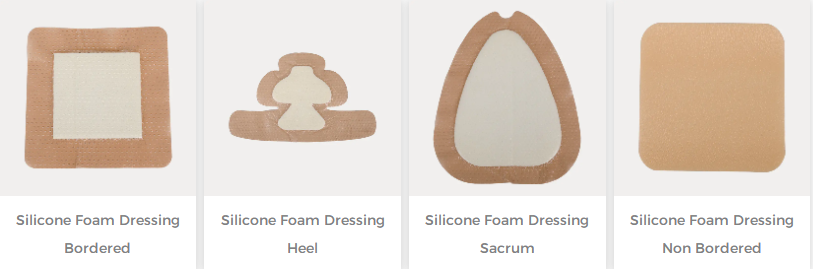
Pressure relief and repositioning are the most basic and effective means of preventing pressure ulcers, but the specific implementation methods for children need to be adjusted. Children who can move independently should be encouraged to change position every two hours. Caregivers of children with limited mobility should assist with turning over, but dragging should be avoided, as it can cause shearing damage to the child's delicate epidermis and dermal junction. When moving a child, lift them up, slide them horizontally, and then put them down. When two people are moving the child, use a padding material such as a small sheet or a transfer blanket to support the child's entire body during the movement. Regarding the choice of support surface, children should not lie directly on adult pressure-relieving air mattresses. The significant difference in weight distribution between adults and children can lead to mismatches in the pressure zones of the air mattress. A pressure-relieving mattress specifically designed for pediatrics or an infant nest-style positioning pad should be used. The latter uses a soft cloth rolled into a loop to surround the infant's body contour, distributing pressure and mimicking the intrauterine position to reduce stress. The fixation method of medical devices can also be optimized. Placing a thin layer of hydrocolloid dressing cut into small pieces between the pulse oximeter probe and the skin can significantly reduce the risk of injury caused by probe pressure. The parts of the nasal mask and face mask that come into contact with the facial skin are padded with silicone foam dressings cut into thin strips. These pads are removed every four to six hours to check the skin and reposition the dressing. Nutritional support is even more crucial for preventing pressure ulcers in children than in adults. Children are in a period of growth and development, and their baseline energy and protein requirements for tissue repair are already high. If intake is insufficient or consumption is increased during hospitalization, hypoproteinemia can rapidly weaken the skin's tolerance to mechanical stress. Therefore, ensuring adequate calorie and protein intake, as well as enteral nutritional support via oral or tube feeding, is an integral part of preventative measures.
How should pressure sores be treated at home in children?
The treatment of superficial pressure ulcers generally avoids using debridement gels and autolytic dressings commonly used in adults. Children's skin has high permeability, and the absorption rate of dressings and medications is much higher than in adults. Therefore, products with simple ingredients and no added pharmacological activity should be chosen. Treatment of stage I erythema only requires relieving pressure and protecting the skin. Apply a layer of hydrocolloid dressing or silicone foam dressing to the erythematous area, utilizing the cushioning effect of the dressing to distribute pressure. Regularly observe whether the erythema is subsiding. For stage II epidermal rupture wounds, gently rinse with saline solution, pat dry with sterile gauze, and cover with silicone foam dressing or petroleum jelly gauze. Do not use disinfectants containing iodine or alcohol, as these disinfectants have clear cytotoxicity to granulation tissue in children and can be absorbed through the skin. The use of dressings containing silver ions in children must be extremely cautious. Theoretically, large amounts of silver ions absorbed through broken skin may cause silicosis and burden on liver and kidney function. It must be used under the guidance of a doctor for a short period, and the dressing coverage area should be controlled to no more than 10% of the body surface area. Pressure ulcers that show no signs of healing after 48 hours, or whose broken skin expands, or which develop purulent discharge and surrounding redness and swelling, require immediate medical attention rather than continuing to try different dressings at home. The principle of pediatric pressure injury prevention and control can be summarized in one sentence: children are not miniature adults. Skin assessment standards and intervention plans must be based on children's unique anatomical and physiological characteristics to avoid omissions and errors when directly applying adult experience. For more information on Innomed® PU Foam Dressing, refer to the Previous Articles. If you have customized needs, you are welcome to contact us; You Wholeheartedly. At long-term medical, we transform this data by Innovating and Developing Products that Make Life easier for those who need loving care.
Editor: kiki Jia


