
 English
 عربى
عربى Español
 русский
 中文简体
中文简体




Burns are among the most intense and persistent types of external injuries. Many people who have experienced superficial second-degree burns describe the pain as not only failing to subside but actually intensifying in the initial hours after the injury. The mechanism behind this unique pain pattern is directly related to the level of damage to the skin tissue caused by heat. When a heat source comes into contact with the skin, free nerve endings in the epidermis are directly activated, sending pain signals. At the same time, damaged keratinocytes and mast cells release large amounts of inflammatory mediators, including prostaglandins, bradykinin, and substance P. These mediators continuously stimulate and sensitize peripheral nerve endings, lowering the pain threshold. Even slight touches and temperature changes that would not normally cause pain can induce severe pain in the burned area. Under heat, the capillaries in the dermis dilate, increasing permeability and causing a large amount of plasma to seep out, forming blisters. The tension generated by the accumulation of blister fluid under the epidermis further stretches the pain receptors.
How effective is this most basic treatment of taking a cold shower in relieving pain?
Cold water rinsing is not only the first step in burn first aid but also the most effective measure for immediate pain relief. Its mechanism of action is more complex than the intuitive understanding of cooling. Running cold water removes heat accumulated in the skin tissue, preventing heat from continuing to conduct to the deeper dermis and subcutaneous tissue. If this heat sinking effect is not stopped in time, even after the heat source has been removed, the residual heat in the tissue will continue to cause progressive tissue necrosis within minutes of the injury, and the pain will intensify. Cooling itself has a direct gating inhibitory effect on nerve endings. Low temperatures can reduce the excitability of free nerve endings and decrease the frequency of action potential firing, which is equivalent to physical suppression at the source of pain signals. The duration of the analgesic effect of cold water rinsing is closely related to the thoroughness of rinsing. Clinically, it is recommended to continuously rinse the injured area with running water at 15 to 20 degrees Celsius for at least 20 minutes. The water temperature should not be too low, as ice water can cause excessive vasoconstriction and aggravate tissue ischemia.
Should blisters be popped? How does this decision affect the pain?
After a superficial second-degree burn, the epidermis separates from the dermis, forming a blister. The pressure of the blister fluid gradually increases under the intact blister skin, causing significant swelling and pain. Many people instinctively believe that puncturing the blister to drain the fluid will relieve the pain. While this procedure, performed by medical personnel under sterile conditions, is indeed an effective way to reduce pressure and relieve pain, puncturing the blister with a needle or scissors at home carries a high risk of infection and secondary injury due to improper subsequent care. Cutting off the blister skin to expose the dermis may relieve short-term swelling and pain, but it is replaced by more persistent friction and burning pain. Furthermore, increased exudation after wound exposure can exacerbate the pain of dressing changes due to adhesion of the dressing. A balanced approach is to have a nurse in a hospital, under sterile conditions, puncture a small hole at the base of the blister with a sterile needle to drain the fluid, while simultaneously preserving the intact blister skin and applying it to the wound. Small blisters less than two centimeters in diameter can be left intact without treatment. Cover them with foam dressings or hydrocolloid dressings to provide cushioning; the swelling and pain will gradually subside under the pressure of the dressings and the cooling effect of the hydrocolloid dressings. For ruptured blisters, after cleaning and removing loose blister fragments, cover them as soon as possible with non-adhesive silicone foam dressings or Vaseline gauze to reduce the severe pain caused by exposed nerve endings.
How can the choice of dressings and dressings be coordinated to reduce pain?
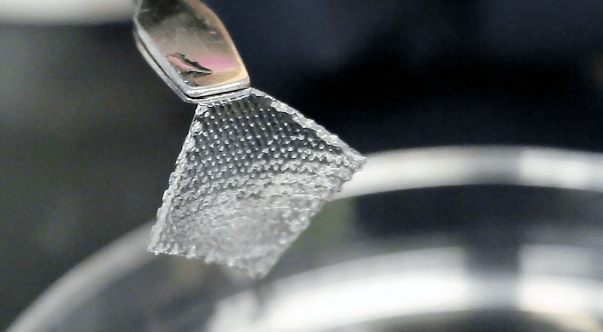
When changing the dressing, gently peel it off parallel to the skin. If there are any adhesions, moisten the dressing from the outside with saline solution and wait a moment to allow the saline to seep into the gap between the dressing and the wound to dissolve the adhesions. Traditional dry gauze, once soaked in exudate, dries and forms a crust. Forcibly tearing it off will pull off the new epidermis along with the gauze fibers. This pain and damage can be completely avoided by choosing the right dressing. When changing the dressing, the water temperature for cleaning the wound should be room temperature saline solution. Water that is too cold will induce vasoconstriction and intensify pain. Use a syringe or irrigation ball with low pressure to rinse instead of wiping with cotton balls. Wiping with cotton balls causes mechanical irritation as the fibers move on the rough wound surface, which is also a source of pain. After covering with a new dressing, you can apply appropriate immobilization and elevation to the outer layer of the dressing. Elevating the burned limb uses gravity to reduce venous congestion and tissue swelling. Swelling itself will aggravate the pain; elevating it 15 to 20 centimeters is sufficient. If the pain severely affects your sleep at night, consider scheduling the dressing change before bedtime. After the dressing change, there's a relatively flat pain window; taking advantage of this window to fall asleep can improve rest quality. However, insufficient sleep itself lowers the pain threshold, creating a vicious cycle. The goal of burn pain management is not to completely eliminate pain, but to control it at a tolerable level that allows for sleep, creating a stable physiological environment for tissue repair. For more information on Innomed® Hydrogel Dressing, refer to the previous articles. If you have customized needs, you are welcome to contact us wholeheartedly. At long-term medical, we transform this data by Innomed and develop products that make life easier for those who need loving care.
Editor: kiki Jia


