
 English
 عربى
عربى Español
 русский
 中文简体
中文简体





Why do new leather shoes often rub against the heels?
Blistering from new leather shoes is a common and annoying problem. This is mainly because the material of leather shoes, especially the leather or synthetic material in the heel lining, is often quite stiff and sharp-edged when new, lacking sufficient softness and curvature to adapt to the unique bone protrusions and skin contours of each person's heel. When walking, the heel of the shoe rubs against the skin of the heel continuously and frequently. This mechanical friction quickly damages the outermost layer of skin, the stratum corneum, leading to epidermal separation, leakage of tissue fluid, and the formation of painful blisters. If the friction continues, the blisters will rupture, forming open wounds, which not only intensify the pain but also increase the risk of infection. Therefore, the core approach is to reduce friction, cushion the pressure, and protect the skin in advance.
How to prevent and treat existing blisters on the feet?
Prevention is far more important than aftercare. When first wearing new shoes, you can use physical methods to soften the heel. For example, use a hairdryer on a hot setting to blow hot air onto the inside of the heel for a few minutes, while simultaneously pressing outwards with your hand or a rolling pin to soften and slightly expand the leather. You can also wear thick socks with the new shoes and walk around the house for a while to allow the shoes to gradually adapt to the shape of your feet. If you feel heat and redness on your heel, this is a sign that blisters are about to form, and you should take immediate action. At this time, using hydrocolloid heel pads is the most professional and effective preventative measure. Hydrocolloids are a polymer material that provides a soft yet thick cushioning layer, separating the hard heel from the skin. Its self-adhesive surface has low friction, significantly reducing shear forces between the skin and the shoe. Applying the pads when the skin has just started to redden can effectively prevent blisters from forming.
How exactly should hydrocolloid heel patches be used?
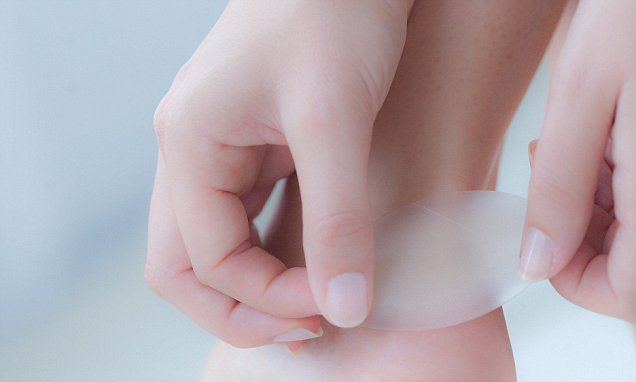
Proper use of hydrocolloid heel patches is key to their effectiveness. First, choose a product of the correct size, ensuring the patch completely covers the friction-prone area of the heel. Clean and dry the skin of your heels, ensuring there is no oil or sweat. Remove the patch from the packaging, peel off the protective film on the back, align the center of the patch with the most prominent part of your heel, and then smooth it outwards, ensuring the edges adhere tightly to the skin without wrinkles or air bubbles. After applying, put on socks; this will both secure the patch and make your feet more comfortable inside your shoes. A single hydrocolloid heel patch can typically be used for several days until its color changes from transparent to milky white, indicating that the material has absorbed tissue fluid and reached saturation, requiring replacement. It can be worn normally while showering; simply pat dry with a towel afterward.
What should I do if the skin has been rubbed raw and a wound has formed?
If prevention is not timely and the heel skin has already broken, forming an abrasion or abrasion, the treatment principle shifts to wound care. First, you must stop wearing the shoes that are causing the friction and give the wound a chance to heal. Gently rinse the wound with running water or saline solution to remove dirt. It is not recommended to use alcohol or hydrogen peroxide to directly irritate the wound. Avoid puncturing small blisters less than 5cm in diameter , as intact skin provides the best protection. In this case, hydrocolloid heel patches can also be very effective . They provide a moist, occlusive healing environment for broken skin, which has been shown to accelerate epithelial cell migration, reduce pain, and, due to their cushioning effect, allow you to wear shoes when necessary (such as during your commute) without aggravating the injury. If blisters have ruptured, they can be applied directly after cleaning. If the wound shows signs of infection, such as pus discharge, increased redness and swelling, or worsening pain, remove the dressing and seek medical attention.
Besides applying dressings, what other auxiliary solutions are available?
Combining other methods can address the problem more effectively. For footwear, use dedicated heel pads or silicone heel protectors on the inside of the shoes to reduce friction from another interface. Choosing the right socks is also crucial; it's recommended to wear seamless or smoothly seamed cotton or dedicated sports socks to avoid rough seams becoming new points of friction. Don't wear new shoes for extended periods immediately; gradually increase the wearing time to allow your feet and shoes to break in. If, after trying the above methods, a specific point on your heel still experiences persistent pressure and pain, the shoe size or design may not be suitable for your foot shape, in which case you may need to consider replacing the shoes. Remember, comfort should always come before aesthetics.
For more information on Innomed®Hydrocolloid Blister Plaster,refer to the Previous Articles. If you have customized needs, you are welcome to contact us; You Wholeheartedly. At long-term medical, we transform this data by Innovating and Developing Products that Make Life easier for those who need loving care.
Editor: kiki Jia


