
 English
 عربى
عربى Español
 русский
 中文简体
中文简体






After cosmetic procedures, numerous microscopic wounds form on the skin's surface, temporarily impairing its physical barrier function. This makes it easier for bacteria, pollutants, and skincare product ingredients to penetrate, increasing the risk of infection, inflammation, and pigmentation. Therefore, the key to post-operative cleansing is to gently remove surface dirt, avoid secondary damage, and ensure the safety and effectiveness of subsequent care.
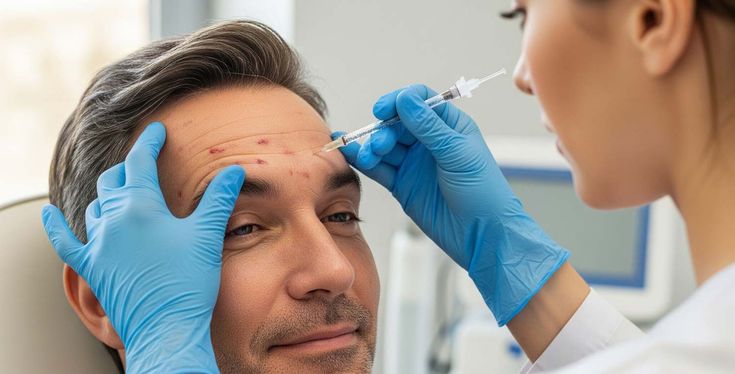
How should I clean my face in the early postoperative period?
The period 24 to 72 hours after the procedure is the most vulnerable time for the skin barrier, and the most likely time for exudation. Therefore, cleansing must be extremely gentle. On the day the treatment ends, it is generally not recommended to cleanse your face with water yourself; please strictly follow your doctor's instructions. If permitted by your doctor, you can use sterile saline solution or a medical-grade repair spray. Gently spray it onto your face, then gently pat dry with a sterile cotton swab or medical gauze using a rolling motion, absolutely avoiding rubbing. In the following days, you can begin using a doctor-recommended or very simple medical-grade cleansing solution. When cleansing, squeeze the product into a clean palm, lather it, and then gently massage it onto your face in circular motions with your fingertips, keeping the entire process under 30 seconds. When rinsing, use running water at room temperature or slightly below body temperature, gently splashing it on your face, again avoiding direct water flow. After washing, gently pat dry with a clean, soft cotton towel, avoiding rubbing.
How to choose safe cleaning products?
The choice of post-operative cleansing products directly affects the healing process and should adhere to the principles of safe ingredients, gentle formulas, and single-function treatments. Medical-grade post-operative cleansing products are the first choice. These products are typically manufactured in sterile environments and are free of fragrances, colorants, alcohol, and traditional preservatives. When checking the ingredient list, choose products based on mild surfactants (such as amino acid surfactants) and avoid those containing strong cleansing ingredients such as soap bases and sulfates (SLS/SLES). Products containing soothing and repairing ingredients, such as panthenol (vitamin B5), centella asiatica extract, and hyaluronic acid, are even better. Absolutely avoid using any cleansing products with exfoliating particles, cleansing brushes, cleansing devices, or complex products claiming deep cleansing, exfoliation, whitening, or anti-aging functions, as these can irritate the wounded area.
What are some common mistakes to avoid in daily cleaning?
There are several common but potentially harmful misconceptions about post-operative cleansing that need to be avoided. The first misconception is over-cleansing. Frequent face washing or the use of strong cleansing products due to fear of infection severely damages the skin's protective lipid barrier, leading to dryness, stinging, and ultimately prolonging the recovery period. The second misconception is using unsterilized towels to dry the face. Damp ordinary towels easily breed bacteria; disposable cotton wipes should be used instead. The third misconception is the urge to touch or scratch the face, as bacteria on the hands can directly contaminate the wound. The fourth misconception is resuming the use of makeup removers too early. Even the gentlest makeup removers, such as water or oil, are too heavy a burden on post-operative skin. Until permitted by a doctor, stick to using only facial cleansers. The fifth misconception is neglecting to clean the hairline, jawline, and other marginal areas. These areas are prone to cleansing residue, which can potentially lead to folliculitis.
How to identify early infection?
Despite proper cleaning, daily observation of the skin is crucial, as recognizing early signs of infection is essential. Normal post-operative reactions include mild redness, swelling, heat, pain, and a small amount of tissue fluid exudation (which may appear as tiny scabs after fractional laser treatment). Signs of infection that warrant attention include: redness and swelling that do not subside after 3 days but instead continue to expand; increased pain, including throbbing or burning pain; increased wound exudate that changes from clear to yellowish-green and purulent, or has an odor; abnormally high local skin temperature; and even systemic symptoms such as fever and chills. If any suspected signs of infection appear, immediately stop all self-care, including applying any ointments or skincare products, and contact your doctor immediately or return to the hospital for a follow-up examination. Professional evaluation and treatment are necessary; do not use antibiotic ointments on your own.
Besides cleaning, what other key infection control measures are there?
Comprehensive infection control is a system, and cleaning is just one part of it. During the first week after surgery, create a clean and restful environment as much as possible, keep your living space well-ventilated, and avoid dusty, crowded places. Use a clean pillowcase when sleeping, and consider sleeping on your back to reduce friction between your face and fabric. Strict sun protection is key to preventing post-inflammatory hyperpigmentation. Before the scabs have completely fallen off, focus on physical sun protection (hats, umbrellas, masks) and avoid applying sunscreen, which increases the burden of cleaning and the risk of irritation. Use prescribed repair dressings, gels, or ointments as directed by your doctor; these usually contain antibacterial or repair-promoting ingredients. Finally, maintain good lifestyle habits, consume sufficient protein and vitamins, ensure adequate sleep, and avoid smoking and alcohol consumption. These can fundamentally improve the skin's healing ability and resistance to infection.
For more information on Innomed® Hydrogel Dressing, Refer to the Previous Articles. If you have customized needs, you are welcome to contact us; You Wholeheartedly. At longterm medical, we transform this data by Innovating and Developing Products that Make Life easier for those who need loving care.
Editor: kiki Jia


