
 English
 عربى
عربى Español
 русский
 中文简体
中文简体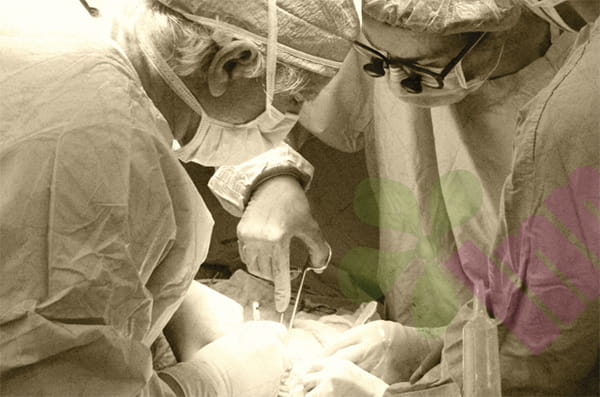






What are the goals of postoperative wound care?
Postoperative wound care spans the entire process from suture removal and drainage tube removal to regular dressing changes. Its core objective is to create a clean and stable local environment to support smooth tissue healing according to its physiological stages, while strictly preventing complications such as infection, dehiscence, and fluid accumulation. Successful care not only reduces pain and discomfort but also significantly lowers the risk of scar hyperplasia and promotes the recovery of bodily function and appearance. Understanding the significance of suture removal, drainage tube removal, and dressing changes, as well as the key points of subsequent care, is fundamental for the active participation of patients and their families in rehabilitation.
How should I care for the wound after the stitches are removed?
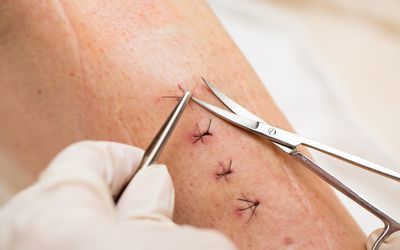
Suture removal signifies that the skin layer has begun to heal, but healing of the deeper tissues continues. At this stage, the focus of care is protecting the wound and beginning scar management. Keep the dressing dry for 24 hours after suture removal, avoiding contact with water. Showering is permitted afterward, but immediately pat the surrounding skin dry with a clean towel. Your doctor may recommend using sutureless tape applied vertically to the wound to continue providing support, reduce skin tension, and prevent the wound from widening due to activity. About a week after suture removal, once the needle holes are completely closed and the epidermis is intact, anti-scar treatment should begin. Using silicone gel or silicone patches is an effective way to prevent hypertrophic scars and should be used daily for at least 3 to 6 months. Strict sun protection is essential, as exposure to ultraviolet light can easily lead to pigmentation and darken scars. Initially, avoid excessive pulling on the wound or engaging in strenuous exercise.
What precautions should be taken after the drainage tube is removed?
The removal of the drainage tube usually indicates a significant reduction in abnormal fluid or blood accumulation in the surgical area, but it does not mean that the internal cavity has completely closed. After removal, a small wound will remain at the original drainage tube outlet. Healthcare staff will cover it with a sterile dressing. A small amount of slightly bloody or pale yellow fluid may seep out during the first 24 hours; this is usually normal and only requires regular dressing changes as prescribed. It is important to be alert to abnormal situations. If the exudate suddenly increases, becomes purulent, has an unusual odor, or if redness, swelling, heat, or increased pain occurs around the wound, it may indicate infection or continued fluid accumulation. Contact your doctor immediately. Patients should observe the original drainage area for swelling or the reappearance of lumps, as this may indicate re-accumulation of fluid. Keep the skin in this area clean and dry, and avoid pressure until the small wound has completely healed.
What are the key points for routine dressing changes?
Regular dressing changes are crucial for keeping the wound clean and monitoring its healing. Always wash your hands thoroughly with soap and running water beforehand. Prepare sterile gauze, cotton swabs, saline solution, medical tape, and the ointment or dressing prescribed by your doctor. When removing the old dressing, peel it off parallel to the wound, following the direction of hair growth. If the dressing is stuck to the wound, moisten it with saline solution, wait a moment, and then slowly remove it. When cleaning the wound, use a sterile cotton swab dipped in sufficient saline solution to gently roll and wipe from the center of the wound outwards. Each cotton swab should only be used once; avoid smearing back and forth. Apply a thin layer of ointment or cover the cleaned wound with a newer functional dressing (such as a hydrocolloid dressing or foam dressing) as prescribed. Finally, cover with sterile gauze and secure with tape. Be careful not to wrap the tape too tightly around the limb, as this can restrict blood circulation. The frequency of dressing changes should follow your doctor's instructions, usually starting once daily and gradually increasing to once every two or three days.
How can you identify signs of poor wound healing?
Patients and their families need to be able to recognize early signs of complications. Infection is the most common complication, and signs include increased redness and swelling of the wound, increased pain, elevated local skin temperature, and yellow or green purulent discharge that may have an odor. In severe cases, systemic symptoms such as fever and chills may occur. Wound dehiscence is characterized by separation of the wound edges, possibly revealing deep tissue or sutures, sometimes accompanied by clear or bloody oozing. Fat liquefaction is more common in areas rich in fat (such as the abdomen), presenting as a pale yellow, oily discharge from the wound, but usually without signs of infection such as redness, swelling, heat, or pain. Subcutaneous hematoma or effusion presents as swelling, bruising, or fluctuation in or around the wound. If any of these signs appear, do not attempt to treat them yourself; immediately stop current care and contact healthcare professionals for evaluation.
How do systemic factors affect wound healing?
Successful wound healing depends not only on local care but also on overall health. Nutrition is the cornerstone of repair; ensuring adequate intake of high-quality protein (such as fish, meat, eggs, and dairy) and vitamin C (such as fresh fruits and vegetables) is crucial. Diabetic patients must strictly control their blood sugar levels, as high blood sugar severely affects white blood cell function and collagen synthesis. Smoking is a major enemy of wound healing; nicotine causes vasoconstriction, significantly reducing blood supply and oxygen delivery to the wound site and should be strictly avoided. Maintain good blood circulation, engage in appropriate activity as permitted by your doctor, and avoid prolonged bed rest or immobility. Actively manage other chronic diseases, such as anemia and hypoproteinemia, to provide comprehensive internal support for wound healing.
For more information on Innomed®Silver Ion Dressing Foam, Refer to the Previous Articles. If you have customized needs, you are welcome to contact us; You Wholeheartedly. At longterm medical, we transform this data by Innovating and Developing Products that Make Life easier for those who need loving care.
Editor: kiki Jia


