
 English
 عربى
عربى Español
 русский
 中文简体
中文简体






What are the characteristics of cuts from sharp objects?
Cuts from sharp objects are usually caused by knives, glass, thin metal sheets, etc. The edges of the cut are clean, but the depth may be significant. Bleeding from these cuts is often quite noticeable because the sharp edges neatly sever small blood vessels. Unlike lacerations or abrasions, the pain from a cut may not be severe initially, but deeper cuts can damage tendons, nerves, or even blood vessels, requiring special attention. Assessing the depth of the cut is crucial. If the cut is deep, longer than 2 centimeters, bleeding profusely and difficult to stop, or located on vital areas such as joints or the face, immediate medical attention is recommended, as it may require debridement and suturing.
How to stop bleeding immediately and effectively?
Upon discovering a cut, the first priority is to stop the bleeding immediately. Apply clean gauze, cotton cloth, or a handkerchief directly to the wound. If blood quickly soaks in, do not remove the first layer of dressing; instead, apply a new dressing and continue applying pressure. Elevate the injured area above heart level; this will help reduce bleeding using gravity. Maintain pressure for at least 10 to 15 minutes, avoiding frequent removal of the dressing to prevent interfering with the clotting process. For cuts on the extremities such as fingers, if the distal skin becomes pale, numb, or cyanotic after applying pressure, it indicates the bandage is too tight and affecting blood circulation; loosen it slightly. If bleeding cannot be effectively controlled after more than 20 minutes of pressure, or if the bleeding is spurting, seek immediate medical attention at the hospital emergency room.
How should wounds be properly cleaned?
After effective hemostasis, the wound needs to be thoroughly cleaned to prevent infection. It is recommended to rinse with running saline or purified water, working from the center of the wound outwards to remove as much foreign object and bacteria as possible. If resources are limited, bottled drinking water is a secondary option. Avoid using hydrogen peroxide, alcohol, or iodine to directly rinse the inside of the wound. While these disinfectants can kill bacteria, they can also damage newly formed granulation tissue, delay healing, and cause intense stinging. They are only suitable for disinfecting intact skin around the wound. Small foreign objects visible on the wound surface can be gently removed with sterile forceps, but deeply embedded or large foreign objects should not be forcibly removed and should be handled by a doctor.
How to choose and treat wound dressings?
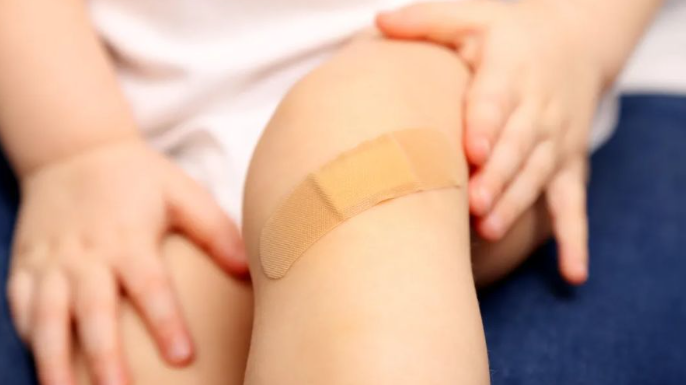
After cleaning, choose an appropriate dressing to protect the wound based on its condition. For superficial cuts with clean edges and good alignment, sterile gauze can be used to cover the wound and secured with breathable tape. A better option is to use newer types of hydrocolloid or transparent film dressings, which provide a moist healing environment, reduce pain, and are waterproof and antibacterial, lasting for several days without needing to be changed. If there is a small amount of oozing from the wound, a thin layer of antibiotic ointment (such as mupirocin ointment) can be applied before covering with the dressing. The bandage should be applied with moderate tightness, ensuring secure fixation without hindering blood circulation. The wound and dressing should be checked daily; if the dressing becomes soaked with exudate, contaminated, or falls off, it should be changed immediately.
What are the key points to pay attention to in daily care?
Daily care during wound healing directly impacts the recovery outcome. Keeping the wound dry and clean is crucial. Avoid getting the wound wet as much as possible without a doctor's permission. When showering, use a waterproof dressing or plastic wrap to protect it. Observe changes in the wound. The normal healing process involves a gradual reduction in slight redness, swelling, and pain. If the redness and swelling spread, the pain intensifies, yellow or green pus drains from the wound, has an odor, or is accompanied by fever, these are signs of infection and require immediate medical attention. Depending on the location of the wound, limit activity appropriately, especially for cuts to the knuckles and knees, to avoid overstretching that could cause the wound to reopen. A balanced diet aids healing; ensure adequate intake of protein and vitamin C.
In which situations is it necessary to go to the hospital for treatment?
Not all cuts can be treated at home. Seek professional medical help in the following situations: the wound is deeper than 0.5 cm, revealing yellow fatty tissue or deeper muscle and bone; the wound is longer than 2 cm, especially in aesthetically and functionally important areas such as the face or hands; bleeding cannot be controlled within 15 minutes by direct pressure; the wound was caused by rusty metal, a contaminated sharp object, or contains an embedded foreign object; tendons in the hand, wrist, or foot are injured, resulting in limited finger or toe movement or numbness; the injured person has underlying conditions that affect healing, such as diabetes or a weakened immune system; the wound was caused by an animal or human bite; or the person was vaccinated against tetanus more than 10 years ago. Timely professional treatment can effectively prevent infection, reduce scarring, and protect function.
How to prevent and treat scars?
After wound healing, scar management is the final but crucial step. Once the wound is completely healed and the scab has fallen off naturally, you can begin using anti-scar products. Silicone gel or silicone patches are internationally recognized first-line methods for preventing hypertrophic scars and require daily use for several months. Strict sun protection is also essential. New skin is sensitive to ultraviolet rays, and sun exposure can easily lead to pigmentation, causing scars to darken. It is recommended to use a physical sunscreen with SPF 30 or higher, along with body coverings. For wounds on joints or other areas prone to stretching, stretching exercises should be gradually introduced after healing to prevent scar contractures from affecting joint mobility. If the scar becomes hypertrophic, thickened, red, itchy, or affects function, consult a dermatologist or plastic surgeon promptly to assess whether further intervention such as injections, laser treatment, or surgery is necessary.
For more information on Innomed®Silver Ion Dressing Foam, Refer to the Previous Articles. If you have customized needs, you are welcome to contact us; You Wholeheartedly. At longterm medical, we transform this data by Innovating and Developing Products that Make Life easier for those who need loving care.
Editor: kiki Jia


