
 English
 عربى
عربى Español
 русский
 中文简体
中文简体





Many people keep various topical medications at home, such as iodine solution, erythromycin, and even herbal powders. When they bump or scrape their skin, their first reaction is often to apply some medicine. But as an editor who has worked in the medical industry for many years, I want to say: if used correctly, it can be beneficial; if used incorrectly, it may actually do more harm than good.
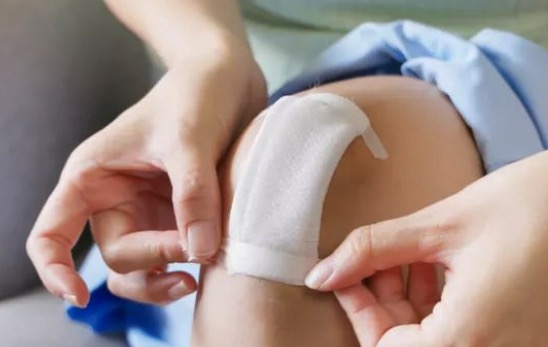
The ointment you're using really promote wound healing?
Let's start with the promoting aspect. Modern medicine has confirmed that a moist environment is more conducive to cell migration and growth. Some functional dressings promote healing because they manage the "healing microenvironment."
For example, in the case of slow-healing chronic wounds such as bedsores or diabetic foot ulcers, local infection control is crucial. This is where silver ion dressings demonstrate their advantages. They effectively control the bacterial load on the wound by releasing silver ions, particularly by disrupting stubborn bacterial biofilms, providing a clean protective film for the wound and allowing its own repair cells to function.
Why does applying medicine sometimes make the wound worse?
- Abuse and misuse of antibiotics
Many people are used to treating erythromycin ointment as a panacea. However, for wounds with a lot of exudate, the greasy ointment creates a closed space , causing the wound to become macerated, and the skin to become white and swollen, making it more fragile and drastically slowing down the healing process.
- Secondary harm from irritating ingredients
Some disinfectants containing excessively high concentrations of alcohol or iodine, while killing bacteria, can also damage newly formed granulation tissue. If you find the gauze sticking tightly to your wound every time you change your dressing, and it's bloody and mangled when you tear it off, it means that the medication or dressing is destroying the precious cells that have just grown. This **physical damage caused by tearing** is the most common human factor contributing to delayed healing.
- Hidden allergens
Another possibility is contact dermatitis. Instead of healing properly, the skin around the wound becomes redder, itchier, and develops a rash. In this case, it's very likely that you are allergic to the base of the ointment or the adhesive tape used.
Smart dressing changes: choosing the right tools is more important than blindly using medication.
For most common superficial wounds, our bodies have a strong ability to heal themselves. What we need to do is not to apply strong medicine to the wound, but to provide proper logistical support.
If the skin around the wound has become fragile due to adhesive tape allergies or repeated application and removal, it's time to ease the burden on the skin. For example, use a silicone gel dressing. Its material is very soft and skin-friendly. Most importantly, it hardly pulls out hair or the stratum corneum when removed, maximizing the protection of the delicate skin around the wound and preventing the wound from getting bigger due to adhesive tape allergies.
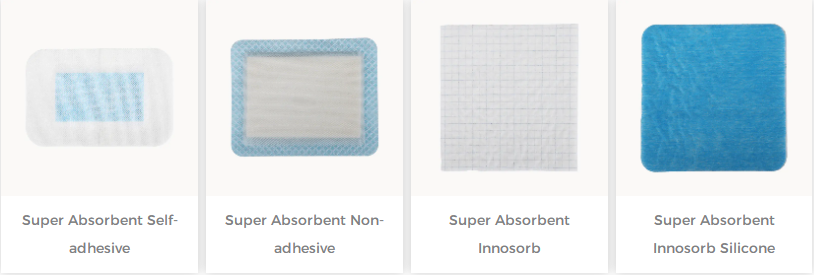
If the wound has minimal exudate and only requires moisturizing and antibacterial properties, a hydrocolloid dressing is a good choice. It absorbs small amounts of exudate, forming a sealed protective film that prevents water from getting in during showers.
If the wound has a lot of oozing, or is located in areas prone to friction such as joints, silicone gel foam dressings are a better choice. They are highly absorbent, and because of the silicone gel layer, they won't stick to newly formed granulation tissue when changed, truly achieving "painless dressing changes" and creating a stable environment for healing.
For more information on Innomed®Hydrocolloid Dressing Ultra-thin, refer to the Previous Articles. If you have customized needs, you are welcome to contact us; You Wholeheartedly. At longterm medical, we transform this data by Innovating and Developing Products that Make Life easier for those who need loving care.
Editor: kiki Jia


