
 English
 عربى
عربى Español
 русский
 中文简体
中文简体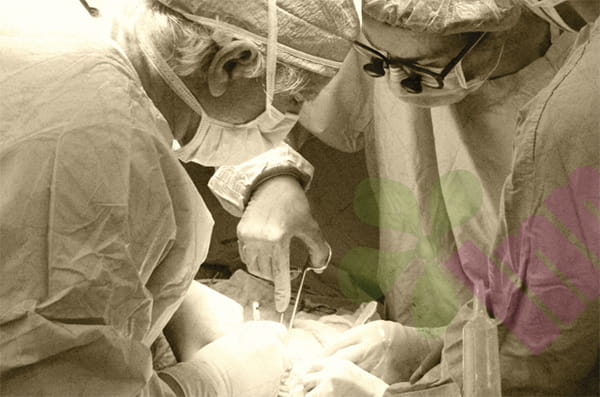






Skin abrasions, cuts, or lacerations during sports are the most common types of injuries seen in primary care clinics and sports medicine facilities. While sports like soccer, basketball, cycling, and running each have their own specific injury characteristics, the treatment principles are generally the same. Many sports enthusiasts' first reaction after an injury is to rinse the wound with mineral water or apply pressure with tissues to stop the bleeding. While these actions are instinctive, they may not conform to standard treatment procedures. Mastering the correct acute treatment methods can significantly reduce the risk of infection and subsequent scarring.
Sports-related skin injuries are mainly classified into three types. Abrasions are the most common type; when the skin rubs against a rough surface, the epidermis is worn away, exposing the papillary dermis, resulting in pinpoint bleeding and tissue fluid exudation. Football players frequently suffer this type of injury in the shoulder, elbow, and knee when sliding tackle on artificial turf. Cuts are caused by sharp edges slicing through the skin; the edges are clean, and the amount of bleeding depends on the depth and location of the cut. Lacerations are seen in collision sports; the skin tears irregularly after being stretched by blunt force, with jagged edges, and the area of tissue damage is often larger than the visible wound. Different types of wounds require different cleaning and closure methods, requiring assessment before treatment.
The first step in on-site treatment is to stop the bleeding. Apply pressure directly to the wound with sterile gauze or a clean towel for five to ten minutes; most superficial bleeding will stop on its own. Do not use cloth strips or shoelaces to tie the proximal end of the limb to stop the bleeding; this is ineffective for venous bleeding and should only be used in extreme cases for arterial bleeding, and should be loosened every fifteen minutes. After stopping the bleeding, proceed to the debridement step, rinsing the wound with running saline solution to wash away any attached sand, grass clippings, and debris. If saline solution is unavailable, bottled purified water can be used temporarily, but do not use mineral water or tap water to directly rinse deep open wounds, as the osmotic pressure and bacterial content are uncontrollable. If foreign objects in the wound cannot be flushed away, they should be removed with tweezers, but only for superficially visible particles; deeply embedded objects should be handled by a doctor.
After wound cleaning, the wound needs to be treated with a disinfectant. Iodine solution (Povidone-iodine) is currently the most widely used wound disinfectant, effective against bacteria, fungi, and some viruses, and with low tissue irritation. Apply the solution twice with an iodine swab, moving in a circular motion from the center of the wound outwards, waiting at least 30 seconds after each application to allow it to fully work. It's important to clarify one crucial detail: iodine solution and tincture of iodine are not the same thing. Tincture of iodine contains alcohol and is significantly more irritating to open wounds than iodine solution, causing a noticeable burning pain after application. It is not suitable for direct application to abrasions or lacerations. Alcohol wipes are suitable for disinfecting the surrounding normal skin, but not for contact with exposed dermis or subcutaneous tissue.
Whether suturing is necessary after disinfection depends on the depth of the wound. Full-thickness lacerations and unevenly aligned edges require suturing or medical adhesive at a hospital. The optimal time for suturing is within six to eight hours after injury, with an extension of up to twelve hours for facial wounds. Wounds beyond this time window, even if sutured, will have a significantly higher infection rate. For superficial abrasions that do not require suturing, after disinfection, cover the wound with a layer of petroleum jelly gauze or a dressing containing a silicone gel contact layer to keep the wound moist, and secure it with ordinary gauze and a bandage. Apply ice packs through gauze for the first 24 hours to reduce tissue fluid exudation and pain. The amount of exudate is highest within one to two days after injury, which is normal. However, if the exudate changes color from pale yellow to yellowish-green, or if the redness and swelling around the wound does not decrease after 48 hours, a follow-up visit is necessary.
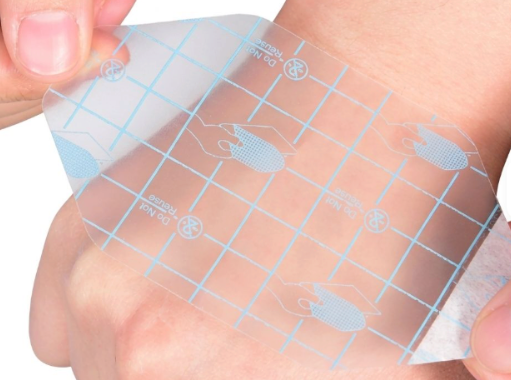
After initial treatment of acute skin injuries caused by sports, it's crucial to pay attention to activity patterns. For wounds on the limbs, avoid high-intensity exercise and repetitive flexion and extension for the first three days after injury, as joint movement can stretch the wound edges and disrupt the continuity of newly formed collagen fibers. Wounds on the head and face have rich blood supply and heal relatively quickly, but sweat during exercise can soak the dressing, requiring daily changes and thorough drying of the surrounding area. For those participating in team sports, another easily overlooked issue is that open wounds should not come into direct contact with public surfaces or other people's skin before healing, as sports fields and ball surfaces themselves carry various bacteria, increasing the risk of infection. It is recommended to cover the wound with a waterproof, transparent dressing before training, both to prevent external contamination and to facilitate observation of wound color changes. If fluid accumulation or redness is observed under the dressing, training should be stopped immediately for treatment. During the healing process of any sports injury wound, if persistent and worsening throbbing pain occurs, even without fever or systemic symptoms, it should be considered a sign of local infection, requiring a visit to the hospital for a doctor to determine whether oral antibiotics or incision and drainage are necessary. For more information on Innomed®Transparent Dressing Green-Squares , refer to the Previous Articles. If you have customized needs, you are welcome to contact us; You Wholeheartedly. At long-term medical, we transform this data by innovating and developing products that make life easier for those who need loving care.
Editor: kiki Jia


