
 English
 عربى
عربى Español
 русский
 中文简体
中文简体






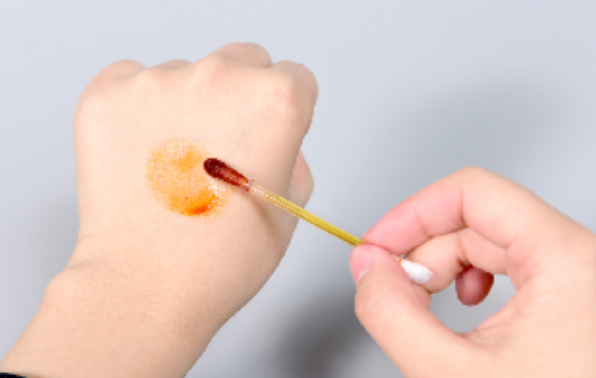
Many families keep iodine and alcohol in their first-aid kits, and the first reaction to cuts and scrapes is to apply them with a cotton swab. This isn't entirely wrong, but improper use can cause problems. Alcohol has strong antibacterial properties, but it's also highly irritating to tissues. Applying it directly to a fresh, bleeding wound can damage exposed granulation tissue and fibroblasts, slowing down healing. More problematic, alcohol can cause spasms in the tiny blood vessels on the wound surface, reducing local blood supply and potentially delaying wound healing. Iodine is relatively milder, but it's not a panacea either. Iodine needs time to fully kill bacteria, and many people cover it with gauze before it's completely dry, significantly reducing its effectiveness. Furthermore, iodine inhibits the growth of existing epithelial cells; using it on wounds in the mid-healing stage is like trying to help while simultaneously hindering healing. In reality, iodine and alcohol are best suited for intact skin, such as disinfecting before injections or cleaning the skin around wounds. Applying them directly to open wounds is unwise.
How do functional wound dressings replace disinfectants?
Modern wound care has undergone a significant shift, moving from eliminating all bacteria to creating a clean, moist healing environment. This involves various functional wound dressings. For example, hydrocolloid dressings are applied directly to superficial abrasions, absorbing small amounts of exudate while creating a sealed environment to isolate external bacteria, eliminating the need for daily iodine application. Another example is polyurethane foam dressings, suitable for wounds with slightly more exudate. They have an absorbent layer and a waterproof outer layer, providing several days of protection without repeated removal and changes. There are also silver ion dressings specifically designed for wounds showing signs of infection. They continuously release silver ions to inhibit bacteria, offering a longer-lasting effect than iodine and eliminating the need for daily wound cleaning. The common thread among these functional dressings is forming a physical barrier around the wound while maintaining local moisture, allowing wound epithelial cells to grow along the dressing's surface. In contrast, repeatedly wiping the wound with iodine daily not only interrupts the healing process but also repeatedly exposes the wound to the environment, increasing the risk of contamination.
How should the specific dressing change procedure be modified?
If you don't have functional dressings at home, and only have traditional gauze and disinfectant, the procedure needs to be adjusted. The first step is to rinse the wound with saline solution, just enough to remove surface dirt and scabs; do not rub vigorously. After rinsing, use a sterile cotton swab to apply iodine solution only around the wound, avoiding direct contact with the wound. Then cover with dry sterile gauze and secure with adhesive tape. This protects the wound from disinfectant irritation while also removing bacteria from the surrounding skin. If the wound has minimal exudate, it's recommended to buy hydrocolloid dressings or thin foam dressings from a pharmacy. After cleaning, rinse the wound with saline solution, dry the surrounding skin, and apply the dressing directly. These dressings can be worn continuously for three to five days without needing to be removed. Observe the surface of the dressing; if it bulges and turns white, it indicates significant absorption of exudate, but as long as there is no leakage, it doesn't need to be changed. Remove the dressing when the edges curl up or bulge noticeably; underneath, there is usually a pink healing surface covered by new epithelium. This is much easier than changing dressings and applying iodine solution every day, and the healing speed is also faster.
In what situations are iodine solution and alcohol still necessary?
There are two situations where iodine and alcohol are indispensable. One is when the wound is visibly contaminated with dirt, splinters, or other debris. In this case, first rinse with plenty of saline solution, then soak or apply undiluted iodine for five to ten minutes to kill any possible Clostridium tetani or Clostridium perfringens. The other is when the wound shows signs of infection, such as expanding redness and swelling, yellow pus discharge, or a foul odor. In this case, thorough debridement is necessary. Gently wipe the wound with an iodine-soaked cotton ball to remove the pus, then apply a silver-containing dressing or use antibiotics based on drug sensitivity results. Alcohol is mainly used on intact skin, such as for skin disinfection before insulin injection, or to remove excess oil around the wound that affects dressing adhesion. Remember a simple principle: for wounds where red flesh or yellowish-white tissue is visible, do not apply alcohol and iodine directly. Rinse with saline solution and then cover with a functional dressing; this is the optimal solution.
For more information on Innomed® Hydrocolloid Dressing Ultra-thin, refer to the Previous Articles. If you have customized needs, you are welcome to contact us; You Wholeheartedly. At long-term medical, we transform this data by innovating and developing products that make life easier for those who need loving care.
Editor: kiki Jia


