
 English
 عربى
عربى Español
 русский
 中文简体
中文简体






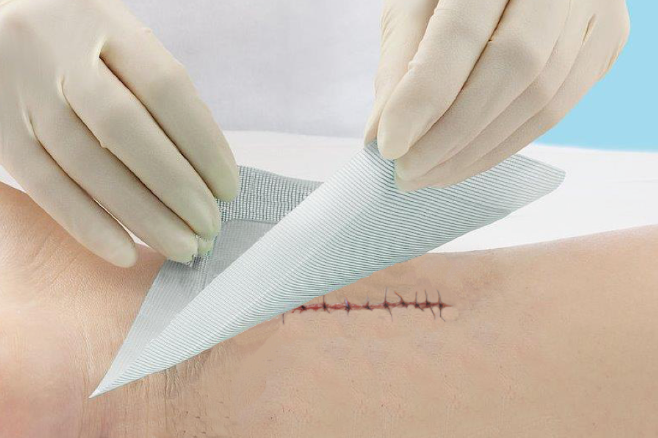
When changing dressings, many people see the label "containing silver ions" and wonder: if this substance kills bacteria, won't it also damage the healthy cells growing in the wound? This is a crucial question. Silver ions are indeed not indiscriminate killers that only target bacteria; they are toxic to human cells. However, after so many years of clinical use, silver-containing dressings remain an important tool for treating infected wounds, indicating that this issue is not black and white.
It is a fact that silver ions are indeed toxic to healthy cells.
Multiple in vitro studies have confirmed this. Silver ions are toxic to two of the most crucial healthy cell types in wound healing—keratinocytes and fibroblasts. Keratinocytes are responsible for epithelial growth, and fibroblasts are responsible for collagen synthesis and granulation tissue growth; damage to these two cell types does indeed impair healing.
A 2004 study directly measured the toxic dose, finding that the lethal silver concentration in skin cells ranged from 7 × 10⁻⁴% to 55 × 10⁻⁴%, a value roughly equivalent to the concentration required to kill bacteria. In other words, in test tube experiments, the silver concentration that kills bacteria can also kill healthy cells. Another 2016 study compared the toxicity of silver ions and silver nanoparticles, finding that silver ions were more toxic than silver nanoparticles.
Whether toxicity is selective depends on the comparison method.
There's a subtle difference in the toxicity of silver ions to bacteria and human cells; it's not a matter of selectivity, but rather the speed of their onset of action. Bacteria are single-celled organisms with simple cell structures, making it easy for silver ions to penetrate their cell membranes and enter to damage key enzymes and DNA, taking effect within minutes to tens of minutes. Human cells, on the other hand, have a more complex defense system and stronger repair capabilities, allowing them to tolerate silver ions for a longer period. This means that at appropriate concentrations, silver ions can kill bacteria first, while healthy cells, although damaged, can still withstand the damage and repair themselves.
It's like herbicide; too high a concentration kills both the weeds and the seedlings, while the right concentration kills the weeds but not the seedlings. The key is finding a treatment window where the silver concentration kills bacteria, but the damage to healthy cells is within an acceptable range.
How do silver-containing dressings resolve this contradiction?
The design philosophy of modern silver-containing dressings is to maintain this therapeutic window. Instead of releasing a high concentration of silver ions all at once, the dressing releases them slowly and continuously, maintaining a stable silver concentration at the wound site. A 2007 study on burn patients using nanocrystalline silver dressings showed that the median silver concentration in the patients' serum was 56.8 micrograms per liter, within a safe range, and no toxic reactions to liver, kidney function, or the blood system were observed. This indicates that the silver released by the dressing mainly remains at the wound site, with very little entering the systemic circulation.
The toxicity of different types of silver-containing products varies considerably. Compared to traditional silver sulfadiazine cream, nanocrystalline silver dressings release a lower total amount of silver ions, but their antibacterial effect is comparable because the release of nanocrystalline silver is more controllable. A 2014 cell study found that both nanocrystalline silver dressings and silver sulfadiazine are toxic to cultured skin cells, but the novel silver-containing hydrogel dressings showed significantly lower toxicity. Further research indicates that the toxicity of silver ions is buffered in complex tissue environments. In three-dimensional tissue culture models, cells are much less sensitive to silver than in planar cultures, suggesting that proteins and exudate in a real wound environment bind some silver ions, reducing their bioavailability.
When should it be used, and when should it not be used?
Since they are toxic, silver dressings are not suitable for all wounds. The principle of use is clear: they should only be used when the risk of infection is high or when an infection has already occurred. A 2007 review article systematically summarized the evidence on the antibacterial effects and cytotoxicity of silver preparations, concluding that a balance needs to be found between antibacterial effects and cytotoxicity; a large area of healthy tissue should not be sacrificed in order to kill one or two bacteria.
Specifically, silver-containing dressings are suitable for use in the following situations: wounds with obvious signs of infection, such as purulent exudate, surrounding redness and swelling, and a strong odor; wounds with a high bacterial load but no systemic spread; and prophylactic use on wounds with a high risk of infection, such as diabetic foot ulcers, pressure sores, and large-area burns. Silver-containing dressings are not necessary in the following situations: clean postoperative incisions without exudate or redness and swelling; superficial abrasions with a clean wound surface; and wounds that are healing and have begun to form granulation tissue and epithelium, in which case ordinary dressings are sufficient.
A 2006 review also pointed out that although there is in vitro evidence that silver is toxic to skin cells, the rational use of silver-containing dressings in clinical practice can reduce infection, decrease the frequency of dressing changes, and promote the healing of chronic wounds. The key is not to use them on wounds that have already undergone epithelialization. Silver sulfadiazine delayed re-epithelialization in a porcine burn model, while the group treated with ordinary antibiotic ointments healed faster. This is the consequence of using it when it shouldn't have been used.
Practical suggestions :
Whether or not to use a silver-containing dressing when treating a wound can be determined using this approach. First, assess the risk of infection. If the wound has pus, an odor, surrounding redness and swelling, or if the patient has high-risk factors such as diabetes or a weakened immune system, consider using it. Next, assess the healing stage. If the wound base is black necrotic tissue or a yellowish-white fibrous membrane, using a silver-containing dressing is fine. If the wound has already grown bright red granulation tissue or the edges have begun to spread epithelium, discontinue using the silver-containing dressing and switch to a regular foam dressing or hydrocolloid dressing. Observe carefully during use. Generally, use continuously for one to two weeks, and discontinue use promptly once the infection is under control. Do not use it as a daily dressing for extended periods. Silver-containing dressings are tools for treating infections, not daily moisturizing skincare products. Using them correctly will be twice as effective, while using them incorrectly will be twice as ineffective. For more information on Innomed® Silver Ion Dressing Textile Fiber, refer to the Previous Articles. If you have customized needs, you are welcome to contact us; You Wholeheartedly. At long-term medical, we transform this data by innovating and developing products that make life easier for those who need loving care.
Editor: kiki Jia


