
 English
 عربى
عربى Español
 русский
 中文简体
中文简体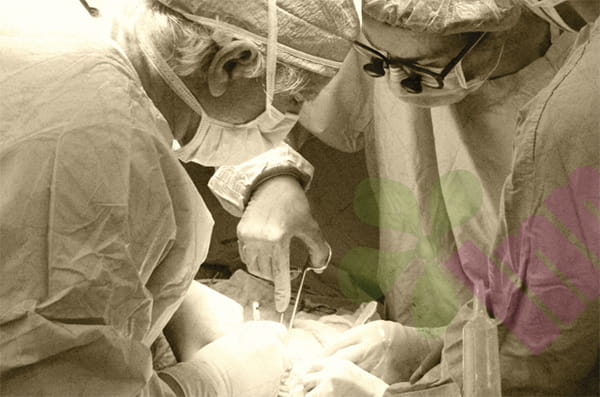






Cesarean section incisions are considered clean but contaminated incisions. During the procedure, after the lower segment of the uterus is cut open, amniotic fluid, blood, vernix caseosa, meconium, and other uterine contents leak out and contaminate the surrounding tissues. In addition, the mother's immune system is relatively suppressed during pregnancy, with decreased leukocyte chemotaxis and phagocytic function, making the risk of postoperative infection higher than for abdominal surgery during non-pregnancy. Clinical statistics show that the incidence of surgical site infection after cesarean section varies considerably among different medical institutions, ranging from 3% to 15%. Factors such as obesity, gestational diabetes, emergency surgery, rupture of membranes exceeding 18 hours, and significant intraoperative bleeding further increase the probability of infection.
What interventions can be made in advance during the preoperative stage?
The target body mass index (BMI) for pre-pregnancy should be no more than 30. Blood glucose control during gestational diabetes is also directly related to the quality of incision healing. Glycated hemoglobin (HbA1c) should be maintained below 6.5%. Excessive fluctuations in blood glucose during the perinatal period can impair neutrophil function and fibroblast collagen synthesis, potentially leading to insufficient deep healing even if the incision appears normal. Regarding preoperative skin preparation, for elective cesarean sections, the patient should wash their entire body with an antibacterial bath solution containing chlorhexidine the night before surgery. On the day of surgery, hair in the incision area should be trimmed with scissors rather than shaved with a razor. Shaving creates tiny abrasions in the epidermis, providing entry points for bacterial colonization; several clinical guidelines have deprecated this practice. The first dose of prophylactic antibiotics should be administered one hour before surgery. The regimen, such as cefazolin or clindamycin plus gentamicin, should be chosen based on local epidemiology and the patient's allergy history. Controlling this time window is crucial to ensuring that the drug concentration in the tissue reaches an effective level when the skin is incised.
What surgical details affect incision infection?
Several technical aspects of the surgical procedure independently influence infection rates. In mothers with a subcutaneous fat layer thicker than two centimeters, the likelihood of secondary infection due to seroma formation caused by fluid accumulation in gaps between the fat and fascia layers during incision closure is significantly increased. In such cases, layered suturing of the fat layer is necessary to eliminate dead space, or a closed negative pressure drainage tube can be placed in the fat layer for a short period. After amniotic fluid and blood contaminate the incision, thorough peritoneal lavage and incision irrigation with warm saline should be performed before closing the peritoneum and fascia. The irrigation volume is typically over 1000 ml. Irrigation dilutes bacterial density and removes necrotic tissue debris and blood clots, which are substrates for bacterial growth. At the end of the surgery, before suturing the subcutaneous tissue, contaminated instruments and surgical personnel's gloves should be changed. This minimally invasive detail has been confirmed by multiple studies to be highly effective in reducing superficial incision infections. The choice of skin incision suturing method is also worth discussing. Compared with interrupted mattress suture, intradermal continuous suture has no sutures penetrating the skin surface, which can reduce the risk of bacteria on the skin surface migrating to the subcutaneous tissue along the suture channel. However, it is necessary to exclude unsuitable situations such as excessive incision tension and maternal obesity.
What are the correct practices for postpartum incision care?
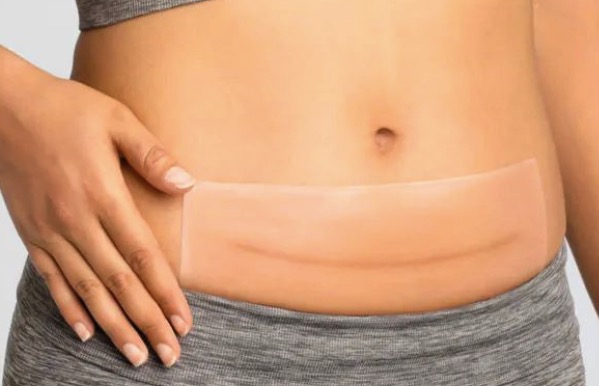
Postpartum lochia is heavy and prolonged. Infrequent sanitary napkin changes can lead to the spread of bacteria from the perineum to the area around the abdominal incision, a hidden source of infection. Mothers should wash their hands before and after each sanitary napkin change, and avoid indirect contamination of the incision dressing with lochia from the sanitary napkin through the fingers when sitting up in bed or getting out of bed. The dressing covering the abdominal incision after a cesarean section should be changed by medical staff within 24 to 48 hours postpartum to check the incision closure. Afterward, if the dressing remains clean, dry, and without seepage, it does not need to be changed daily; frequent removal of the dressing increases the chance of foreign bacteria entering the incision. Postoperative showering time varies by hospital. Generally, after 48 to 72 hours post-surgery, when the incision has formed initial epithelial closure, short showers are permissible. Avoid direct water jets onto the incision during showering. After showering, pat the incision surface dry with a clean towel; do not rub it back and forth. If the dressing becomes wet, it must be replaced immediately. Abdominal binders can help reduce incision tension and alleviate pain in the early postoperative period. However, if the binder is too tight or worn for too long, the skin around the incision will remain moist and hot, preventing ventilation. Sweat and sebum trapped inside the binder create conditions for bacterial and Candida albicans growth. The binder should be loose enough to allow two fingers to be inserted comfortably, and should be loosened two to three times a day for 15 to 20 minutes each time. The timing of increased postpartum activity also needs to be carefully controlled. Avoid lifting heavy objects and prolonged standing or walking for two weeks after surgery. These activities significantly increase tension on the abdominal wall incision. Early fibrin adhesions in the incision healing process are prone to tearing under repeated high tension, forming micro-cracks that allow bacteria to penetrate deeper and cause deep infections. For more information on Innomed® Wound Skin Closure, refer to the Previous Articles. If you have customized needs, you are welcome to contact us; You Wholeheartedly. At long-term medical, we transform this data by innovating and developing products that make life easier for those who need loving care.
Editor: kiki Jia


