
 English
 عربى
عربى Español
 русский
 中文简体
中文简体






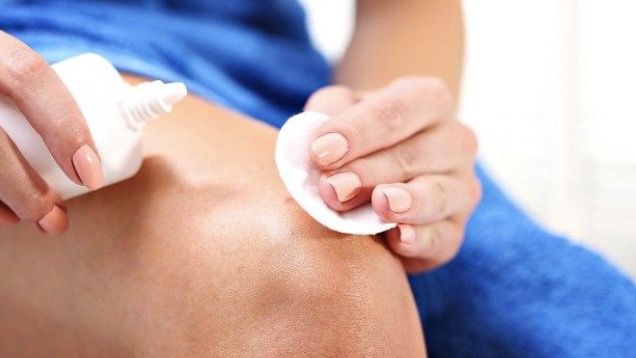
Wounds in joint areas, such as elbows, knees, ankles, and wrists, are characterized by constant movement. After applying a dressing, the skin stretches, causing the dressing to either deform, curl at the edges, or simply fall off. Many people have tried using ordinary gauze or regular dressings, which fall off in less than half a day. So, can foam dressings solve this problem?
What are the characteristics of foam dressings?
Foam dressings are typically made of polyurethane, with a hydrophobic, semi-permeable membrane on the surface and a soft foam layer at the bottom. Their advantages include softness, a certain thickness, and the ability to absorb exudate while maintaining appropriate wound moisture. However, different types of foam dressings vary significantly in flexibility and elasticity.
Some foam dressings have a layered structure, and the base material itself has little elasticity. After being applied to a joint and used a few times, wrinkles or edges will appear. Other foam dressings use a highly elastic backing material that can stretch with the skin and return to its original shape after rebounding, without creating a pulling force on the skin. Therefore, whether foam dressings can be used on joints depends on the specific product's elasticity design, rather than the category of foam dressing itself.
What are the special requirements for wounds in the joint area?
When a joint moves, the skin is stretched, compressed, and twisted. Dressings need to meet several conditions. First, they must be sufficiently elastic to move with the skin, rather than resisting it. Second, the edges must adhere firmly and not curl up during movement. Third, the material must be thin; overly thick dressings will accumulate when the joint bends, increasing friction. Fourth, the skin should not be pulled or stretched during dressing changes, as the skin around joints is already quite thin.
How do foam dressings perform in these aspects?
First, let's talk about elasticity. There are some foam dressings on the market specifically designed for joints, with an elastic film backing that can stretch both horizontally and vertically. When applied to the knee or elbow, they won't fall off even after dozens of bending and straightening motions. However, ordinary non-elastic foam dressings don't work; they start to peel up at the edges after just a few movements.
Regarding thickness, thin foam dressings, typically around 2 to 3 millimeters thick, are suitable for joint areas. Dressings that are too thick will fold when the joint is bent, creating hard ridges on the skin and potentially causing pressure injuries. Thin foam dressings conform naturally to the curves of the skin without restricting the joint's normal range of motion.
In terms of fixation, the design of the adhesive layer of the foam dressing itself is also important. Dressings for joints need an adhesive that can hold firmly without damaging the skin when removed. Silicone-adhesive foam dressings perform well in this regard, with moderate stickiness, and can be repeatedly applied and repositioned without being ruined by an initial misapplication.
For wounds around joints, what are the advantages of foam dressings compared to other dressings?
Compared to regular gauze, foam dressings do not stick to the wound and will not tear new tissue during dressing changes. Compared to hydrocolloid dressings, foam dressings have stronger absorbency and are suitable for wounds with small to moderate exudate. Compared to film dressings, foam dressings have a certain cushioning effect and can protect wounds near joints from minor impacts.
However, foam dressings also have limitations. If there is a lot of exudate from the wound, the foam dressing may not be able to absorb it all, requiring the use of a highly absorbent dressing or more frequent changes. If there are folds or depressions in the skin around the wound, the edges of the foam dressing may not adhere firmly, in which case a self-adhesive elastic bandage is needed for outer fixation.
How exactly do you use it to ensure it sticks firmly?
Before applying the dressing, position the joint in a neutral position, neither bent nor overly straight. Align the center of the dressing with the wound and smooth it outwards, ensuring there are no air bubbles or wrinkles. If the dressing is large, you can round off the four corners to reduce the possibility of it curling up at the right angles. After applying the dressing, gently move the joint to check for any significant stretching or curling of the dressing.
If additional fixation is needed, a layer of self-adhesive elastic bandage can be wrapped around the foam dressing. When wrapping, start from the distal end of the joint and work towards the proximal end, applying gentle pressure—just enough to allow one finger to fit between the bandages. The elastic bandage will help secure the dressing without restricting joint movement.
In what situations is foam dressing not suitable?
If the wound infection is severe, with copious purulent discharge or necrotic tissue, foam dressing alone is insufficient; debridement and the use of an antibacterial dressing are necessary first. If the skin around the wound has severe eczema or maceration, the adhesive layer of the foam dressing may exacerbate irritation. If the patient is allergic to polyurethane or acrylic adhesives, alternative dressing materials should also be chosen.
Foam dressings can be used on joints, but the specific product design is important. Choosing a thin, highly elastic foam dressing with silicone adhesive, along with proper application and outer fixation, can fully meet the needs of joint wounds. If you only have regular foam dressings and find they peel off after a few uses, it means it's unsuitable for joints; switching to a different product or type of dressing is more reliable. For more information on Innomed® Silver Ion Dressing Foam, refer to the Previous Articles. If you have customized needs, you are welcome to contact us; You Wholeheartedly. At long-term medical, we transform this data by Innovating and Developing Products that Make Life easier for those who need loving care.
Editor: kiki Jia


