
 English
 عربى
عربى Español
 русский
 中文简体
中文简体






People with sensitive skin experience an extra layer of trouble when they get a wound compared to others. The wound itself is painful enough, but after applying a dressing, the skin becomes red and itchy, and may even develop rashes or break open, making each dressing change a painful ordeal. Is this because the skin is too sensitive, or is it due to choosing the wrong dressing? Actually, choosing the right dressing for sensitive skin is indeed important. Choosing the right dressing can protect the wound, while choosing the wrong one may damage the surrounding skin before the wound heals.
What exactly does sensitive skin fear?
Sensitive skin is most vulnerable to two things: irritating adhesives and complex chemical ingredients. While the acrylic adhesives used in regular dressings are indeed very sticky and work fine on normal skin, sensitive skin has a thin stratum corneum, and when peeled off, they often tear off the epidermis along with the dressing, leaving a red mark that can take several days to fade. Some dressings also contain preservatives, fragrances, or certain medicinal ingredients, which may be allergens for sensitive skin. Therefore, when choosing dressings for sensitive skin, the core principles are twofold: the adhesive must be gentle, and the ingredients must be simple.
Why is silicone dressing the preferred choice?
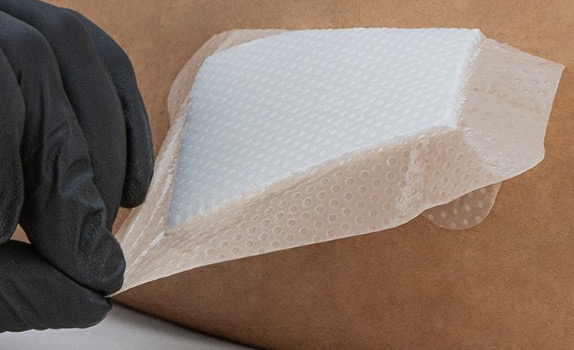
Silicone dressings are currently recognized as the most skin-friendly option for sensitive skin. Their adhesion relies on the physical properties of the material itself, not glue, so they don't pull on the skin when removed, significantly reducing pain and skin damage. Many silicone patches used for scar care emphasize hypoallergenicity and non-adhesiveness. If the wound has already healed and scar prevention is needed, silicone patches are a good choice. If the wound is still oozing, silicone foam dressings can be chosen, as they provide gentle fixation while absorbing exudate.
Can hydrocolloid dressings be used?
Hydrocolloid dressings are also an option for sensitive skin. Their adhesive is relatively gentle and keeps the wound moist, reducing the pain of tearing during dressing changes. However, a problem with hydrocolloid dressings is that if they are left on for too long or if the skin sweats excessively, the edges may curl up, causing the adhesive to come into direct contact with healthy skin, which can cause redness in a few people. Therefore, it's advisable to cut a small piece and test it on healthy skin next to the wound for a few hours. If there are no problems, then it can be used more extensively.
Which dressings should be avoided?
Sensitive skin should avoid several types of dressings. Dressings containing traditional acrylic adhesives are too sticky and pose a high risk of tearing. Dressings containing irritating disinfectants such as alcohol or iodine should not come into direct contact with the wound; saline solution is sufficient for disinfection. Dressings containing fragrances, preservatives, or other unnecessary additives have a higher risk of allergic reactions the more complex their ingredients. Additionally, silicone gel scar patches should not be used on unhealed wounds; these products are only for closed wounds and may worsen the problem if used incorrectly.
How exactly do you choose? Here's a simple judgment.
The first step is to assess the wound's condition. If the wound is still oozing and hasn't healed, choose a silicone foam dressing or hydrocolloid dressing, focusing on gentle fixation and preventing adhesion. If the wound has healed and scar prevention is needed, choose a silicone gel patch, but only after confirming the wound is completely healed.
The second step is to consider the application area. For areas with thin and delicate skin like the face and neck, silicone-based dressings are preferred as they are painless to remove. For joint areas, choose thin, elastic dressings that can stretch and move with movement.
The third step is to do a skin test. If you're unsure about a dressing, cut a small piece and place it on healthy skin next to the wound. Check for redness or itching after a few hours. If there are no problems, then you can use it officially.
What should I pay attention to when changing dressings?
When changing dressings for sensitive skin, the technique for removing the dressing is more important than the technique for applying it. Do not tear it off directly from the edge. First, moisten the edge of the dressing with saline solution to soften the adhesive before slowly peeling it off. If the dressing is already very tight, you can use a medical adhesive remover, but be careful not to let it get into the wound. The frequency of dressing changes should also be controlled. Sensitive skin cannot withstand being peeled off several times a day, so try to choose dressings that can be worn for 2 to 3 days to reduce the number of changes.
For sensitive skin wound care, the key to choosing a dressing is a gentle adhesive and simple ingredients. Silicone dressings are the first choice, while hydrocolloid dressings and hypoallergenic dressings containing aloe vera can also be considered. Perform a skin test before use, and moisten the edges with saline solution before carefully removing the dressing. If unsure, consult a doctor or pharmacist; it's much safer than trying things out yourself. For more information on Innomed® Silicone Contact Layer, refer to the Previous Articles. If you have customized needs, you are welcome to contact us; You Wholeheartedly. At long-term medical, we transform this data by Innovating and Developing Products that Make Life easier for those who need loving care.
Editor: kiki Jia


