
 English
 عربى
عربى Español
 русский
 中文简体
中文简体






Gunshot wounds are not ordinary external injuries; improper treatment can be fatal. Many people see in movies using knives to dig out bullets or burning the wound to stop bleeding. These methods are not only ineffective but can also cause more serious damage. The principles of treating gunshot wounds are completely different from those of ordinary wounds; every second counts, but haphazard treatment is also unacceptable.
What's the difference between a gunshot wound and a regular knife wound?
Gunshot wounds have two openings, one for entry and one for exit. When a bullet enters the body, it carries enormous kinetic energy, tearing tissue, shattering bones, and creating cavitation effects along its path. This means that what you see on the surface of the wound may just be a small hole, but beneath the skin, a large area of tissue may have already died. This is why gunshot wounds cannot be sutured like ordinary wounds; if the surface is stitched up, the necrotic tissue underneath will continue to decay, leading to serious infection.
What is the first step in on-site first aid?
Ensuring safety at the scene is paramount. Do not seek medical attention in areas with a risk of continued shooting. Immediately call emergency services and tell the operator it is a gunshot wound, its location, and whether there is bleeding.
While awaiting rescue, begin to stop the bleeding. If the wound is on a limb, apply firm pressure directly to the wound with a clean cloth or gauze, and continue applying pressure without letting go. If the bleeding is severe and cannot be stopped, a tourniquet can be applied near the heart, but the time the tourniquet has been applied must be recorded, usually not exceeding two hours. Gunshot wounds to the torso and head/neck cannot be treated with a tourniquet; only firm pressure can be applied.
When should you press? When shouldn't you?
All bleeding gunshot wounds should be treated with pressure to stop the bleeding. However, there is one exception: if the wound is in the chest and the patient is experiencing difficulty breathing, cyanosis of the lips, and bulging veins in the neck, it may be a tension pneumothorax. In this case, do not apply pressure. Instead, seal the wound with an airtight material, sealing only three sides and leaving a flap to allow air to escape from the wound without being drawn back in.
If the intestines are visible after a gunshot wound to the abdomen, do not try to push them back in. Cover them with clean, damp gauze, then wrap them with plastic wrap or a plastic bag to prevent them from drying out and becoming necrotic.
Do we need to remove the bullet?
Do not attempt to remove the bullet at the scene. The bullet's location inside the body requires an X-ray to determine; blindly digging could damage blood vessels and nerves, leading to severe bleeding. Removing the bullet is a surgical procedure; the focus at the scene should be on stopping the bleeding, preventing infection, and maintaining vital signs.
Should the wound be rinsed?
You can rinse the wound surface with saline solution to remove dirt and foreign objects, but do not vigorously wash away deep tissues. Do not pour alcohol, iodine, or any medicinal powders into the wound, as these irritating liquids will damage already injured tissue and worsen the injury.
What kind of dressing should be used for bandaging?
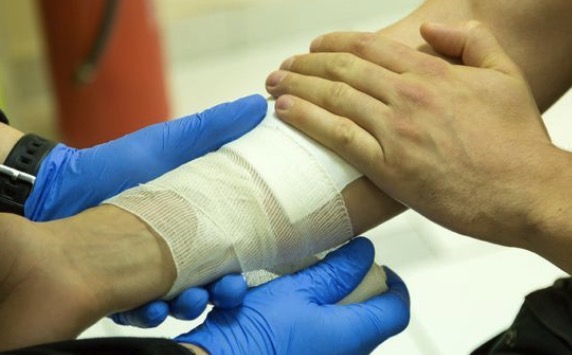
After stopping the bleeding, cover the wound with sterile gauze and secure it with an elastic bandage or tape. If sterile dressings are unavailable, clean clothing or towels can be used; avoid using tissues or cotton, as debris may fall into the wound. After bandaging, keep the injured limb immobilized and minimize movement to prevent the bleeding from becoming less effective.
In what situations do we need to pay special attention?
If the injured person exhibits symptoms such as confusion, cold and pale skin, weak pulse, and rapid breathing, these are signs of hemorrhagic shock. The injured person should be laid flat with their legs elevated, and kept warm with clothing or a blanket. Do not give them water or food, as emergency surgery under anesthesia may be necessary.
If the wound is on the neck, be extra careful when applying pressure to stop the bleeding. Do not press on both carotid arteries at the same time, as this may block blood supply to the brain.
What is the biggest difference between a gunshot wound and a regular external injury?
Ordinary external injuries can be treated at home—clean, disinfect, and apply a bandage. Gunshot wounds are different. Any gunshot wound, regardless of size, must be treated at a hospital. The path a bullet takes cannot be determined with the naked eye, and internal tissue damage may be far greater than expected. Even if it looks like just a graze, there may be shrapnel residue or deep tissue necrosis. At the hospital, the doctor will determine whether debridement, antibiotics, or surgical exploration are necessary based on the wound's condition.
Remember these key points for gunshot wound treatment: First, ensure the scene is safe; immediately stop the bleeding; do not remove the bullet; do not perform deep irrigation; do not push back any exposed intestines; do not give the wound water or food. When using a tourniquet for bleeding limbs, be mindful of the time; do not apply pressure to the chest if the wound causes difficulty breathing. Most importantly, all gunshot wounds require immediate medical attention; do not take chances. Proper on-site first aid can buy precious time for the injured person's recovery. For more information on Innomed® Silver Ion Dressing Foam, refer to the Previous Articles. If you have customized needs, you are welcome to contact us; You Wholeheartedly. At long-term medical, we transform this data by Innovating and Developing Products that Make Life easier for those who need loving care.
Editor: kiki Jia


