 English
 عربى
عربى Español
 русский
 中文简体
中文简体






What should I do if the stitches crack after removal?
f the wound reopens after suture removal, medically termed incision dehiscence, there are two types. One is a superficial tear between the epidermis and dermis, resulting in a smal...
1. Excellent water absorption and gel formation.
2. Viscosity> 800 cρ, gray scale < 0.5%, fineness 1.5 D, strength 1.5g/D, elongation at break > 10%.
3. Water absorption rate ≥ 10 and rate of bacteriostasis >80%, which can be used for needling sheets and filling strips.
1. The natural seaweed extracts the mixture of fiber and calcium ions, and the product has excellent biocompatibility.
2. Gel is formed after contacting with wound exudate and bleeding to protect wounds and keep wounds moist to promote wounds healing.
3. The product can rapidly absorb a large amount of exudate, and has soft texture and good compliance.
4. The release of calcium ions in dressing can activate prothrombin, accelerate the hemostasis process and promote coagulation.
5. The ρroduct does not adhere to the wound, protects nerve endings to relieve pain, and is easy to remove from the wound without retained foreign body.
6. The ρroduct does not cause maceration of skin around the wound.
7. The ρroduct can be biodegradable and environment-friendly.
8. The product is soft and can fill the wound cavity and promotes the growth of the cavity.
1. All kinds of medium and high exudative wounds.
2. AIl kinds of acute and chronic bleeding wounds.
3. All kinds of refractory wounds such as lower limb ulcer, bedsore, diabetic foot, wound after tumor operation, abscess, etc.
4. Wounds of the skin donor site.
5. The filling alginate rope is used for various cavity wounds, such as wounds left after nasal cavity surgery, sinus tract wounds, wounds left after tooth extraction, etc.
1. This product is not suitable for dry wounds.
2. Wash the wound and dry the surrounding skin before use.
3. As for the dressing, it covers over 2 cm around the wound.
4. The product can be applied to the wound for at most one week.
5. When wound exudate decreases, the product can be stopped and replaced with other dressings, such as Inomed hydrocolloid dressing.
6. When using the filling alginate rope, the size and depth of the wound shall be determined first, and filling shall be started from the fundus of the wound, leaving no dead sρace as far as possible, otherwise the healing will be affected.
Our solutions start with a need. Patients and healthcare professionals inspire us to design medical solutions for wound management, surgery and pressure ulcer prevention. We want to enhance performance at every point of care – from the operating room to the home.
f the wound reopens after suture removal, medically termed incision dehiscence, there are two types. One is a superficial tear between the epidermis and dermis, resulting in a smal...
Bandaging is neither about being as tight as possible nor as loose as possible. The tightness directly determines whether the dressing can be secured, whether exudate can be contro...
Why does a wound that looks clean never heal? Some wounds appear red and healthy during dressing changes, with minimal exudate and no obvious pus, yet the area doesn't shrink for ...
Postoperative wound pain is mostly normal, but normal doesn't mean you have to endure it, nor does it mean all pain is nothing to worry about. Surgery involves cutting the skin, su...
In the first few minutes after a burn, the treatment directly determines the depth of the wound and the difficulty of subsequent recovery. Many people's first reaction is to apply ...
After being bitten by a cat or dog, many people's first reaction is to apply iodine, put on a bandage, or rush to the hospital. But the most important first step is actually rinsin...
A brown or dark mark left after a wound heals is medically known as post-inflammatory hyperpigmentation. It's not a scar, nor is it due to incomplete cleaning. Rather, it's a color...
Many people only think about intervention when the scar becomes noticeably raised, red, and itchy, by which time the optimal window for intervention has already passed. The timing ...
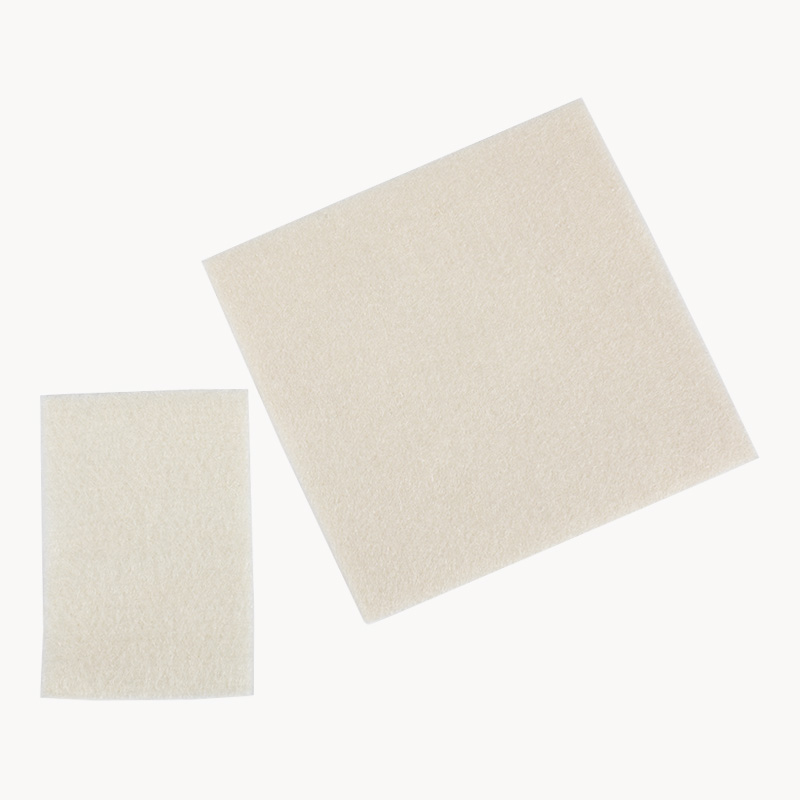
As a leading Alginate Dressings manufacturer, supplier, factory, and company, we recognize the evolving needs of wound care. Our commitment to innovation has led us to develop two exceptional products – Alginate Dressing Flakiness and Alginate Dressing Rope. In this insightful discussion, we explore how these remarkable dressings are reshaping wound healing by combining advanced absorbency with unparalleled versatility.
Wound care is a multifaceted realm that demands solutions capable of adapting to varying wound types and conditions. Alginate Dressing Flakiness and Alginate Dressing Rope stand as a testament to our dedication to improving patient outcomes and transforming the landscape of wound healing. These products have been meticulously designed to address specific wound care challenges, delivering advanced absorbency and unmatched versatility.
Alginate Dressing Flakiness:
**1. Revolutionary Absorbency for Exudating Wounds:
Exudate management is a crucial aspect of wound care, and Alginate Dressing Flakiness excels in this domain. Our dressing's unique structure allows it to absorb large amounts of exudate while maintaining its structural integrity. This absorbency not only helps in keeping the wound environment clean but also reduces the frequency of dressing changes, thus enhancing patient comfort and minimizing disruption to the healing process.
**2. Gentle Debridement and Promotion of Granulation:
Alginate Dressing Flakiness possesses debriding properties that assist in the removal of necrotic tissue and slough. This process promotes granulation – the formation of healthy tissue – which is essential for wound healing. The gentle debridement action sets the stage for efficient healing while reducing the risk of infection.
**3. Ease of Application and Removal:
Application of Alginate Dressing Flakiness is straightforward, and the dressing conforms to wound contours, ensuring optimal contact and coverage. Removal is equally hassle-free, as the dressing's structure prevents it from adhering to the wound bed, minimizing patient discomfort during changes.
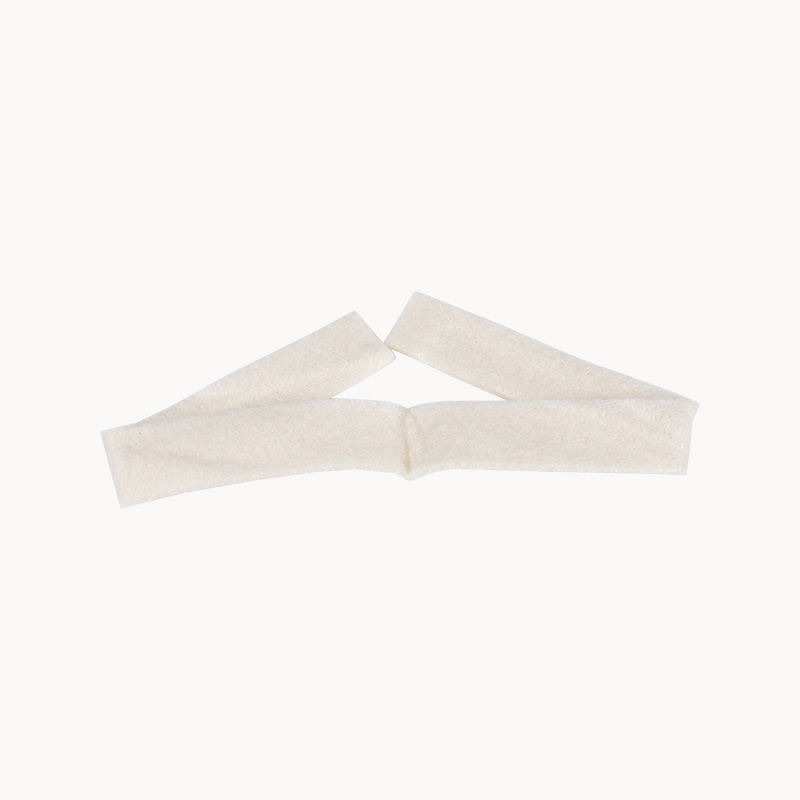
Alginate Dressing Rope:
**1. Advanced Absorbency and Conformability for Cavity Wounds:
Cavity wounds require specialized care, and Alginate Dressing Rope is tailored to meet these unique challenges. The rope design allows for easy packing of cavities, ensuring that the entire wound space is covered. The absorbency of the rope promotes a moist wound environment, supporting cellular migration and tissue regeneration.
**2. Versatile Application for Wound Types:
Alginate Dressing Rope's adaptability makes it suitable for a range of wound types, including tunneling wounds, sinus tracts, and surgical incisions. Its versatility makes it a valuable addition to wound care regimens, simplifying the management of complex wounds.
**3. Reduced Risk of Maceration:
Maceration – the softening of healthy skin due to excessive moisture – is a concern in wound care. Alginate Dressing Rope's absorbent nature helps manage exudate effectively, reducing the risk of maceration and maintaining the health of surrounding tissue.
Elevate Wound Healing with Alginate Dressing Innovations:
Alginate Dressing Flakiness and Alginate Dressing Rope embody our commitment to advancing wound care. By integrating advanced absorbency with versatility, these dressings cater to the perse needs of patients and healthcare professionals alike. They represent a significant step forward in the pursuit of efficient wound healing, where innovation meets patient-centric care.
Explore our Alginate Dressing range and embrace the future of wound healing. Witness firsthand how Alginate Dressing Flakiness and Alginate Dressing Rope are redefining wound care through their absorbent prowess and adaptability. As a manufacturer, supplier, factory, and company, we're proud to present these solutions that hold the potential to revolutionize wound care practices and enhance the healing journey.

Longterm medical is a world-leading custom Alginate Dressings manufacturers that equips healthcare professionals to achieve the best patient, clinical and economic outcomes.
Add:No. 277, Shuangshan Road, Deqing County, Huzhou
City, Zhejiang Province, China
Tel:0086 15157187579
Copyright © Zhejiang Longterm Medical Technology Co., Ltd All Rights Reserved.

