 English
 عربى
عربى Español
 русский
 中文简体
中文简体






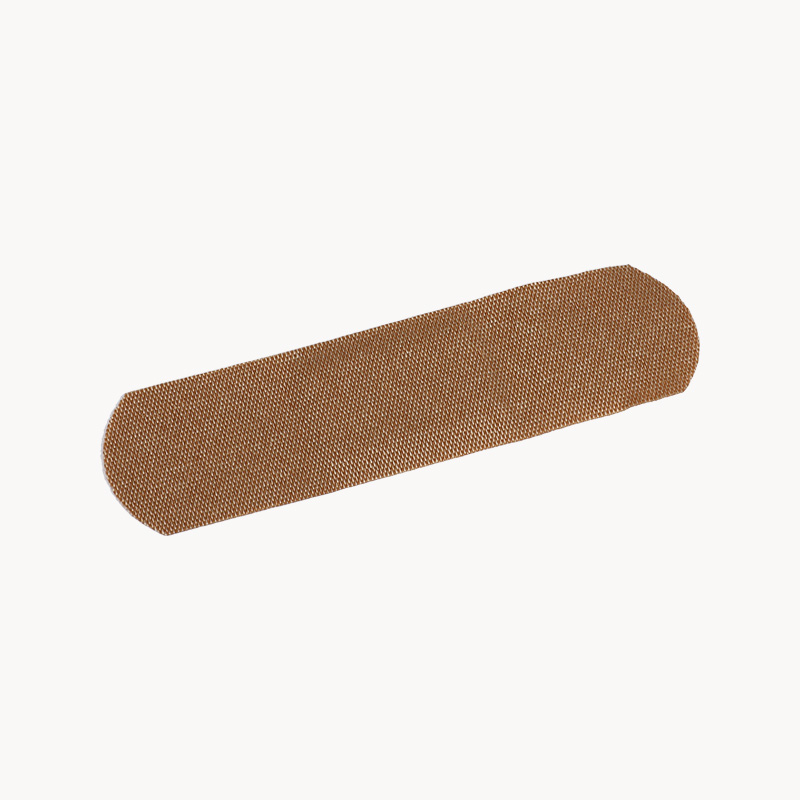
.jpg.png "Square Band Aid")
.jpg.png "Round Band Aid")
.jpg.png "Butterfly Band Aid")
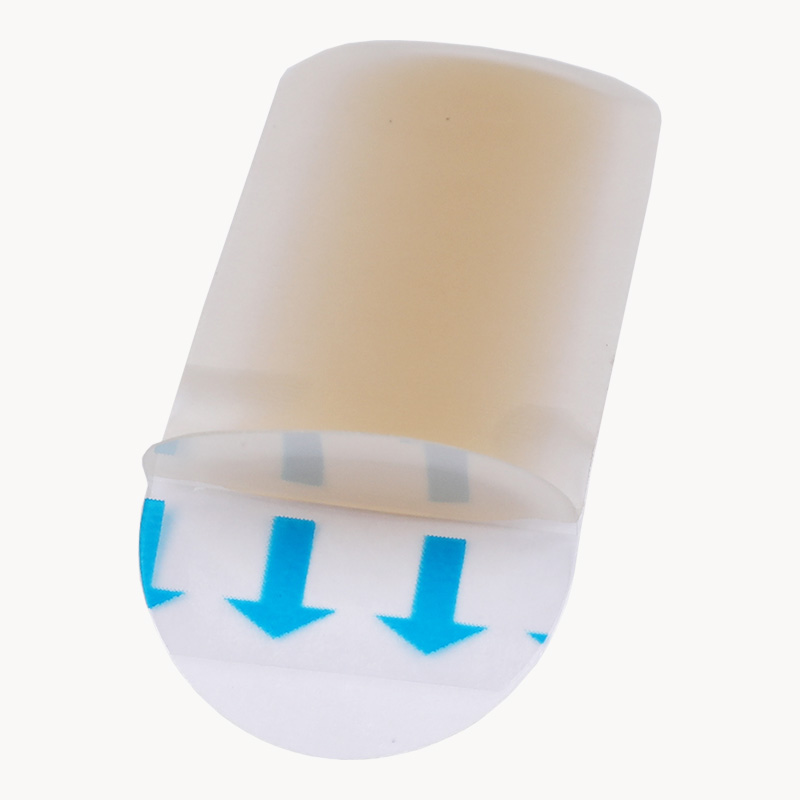
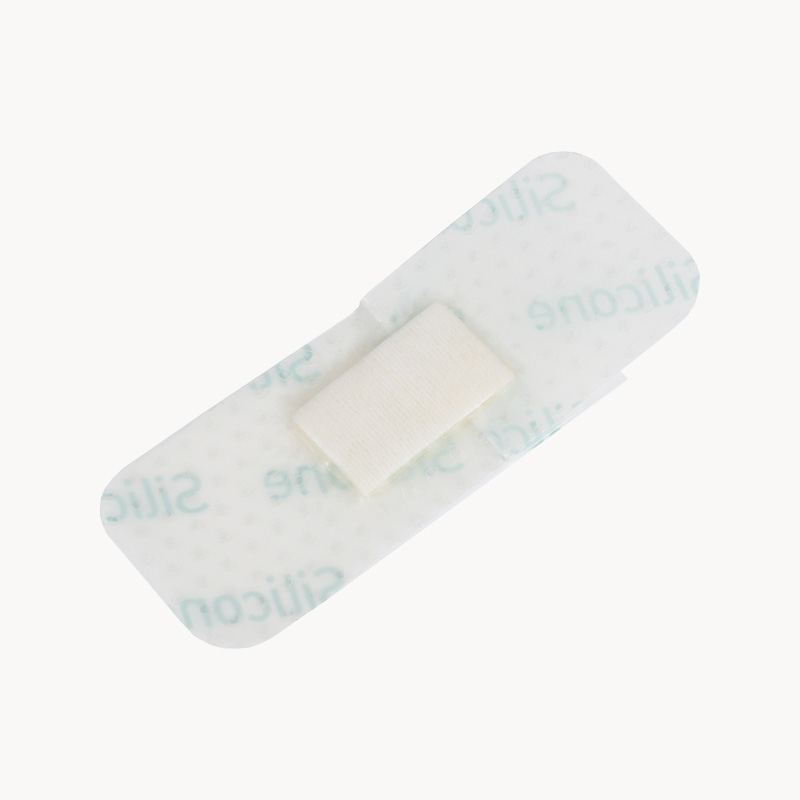
Why do abdominal wounds in obese people tend to reopen?
Postoperative wound dehiscence is a prominent risk faced by obese patients. Clinical observations show that the higher the body mass index (BMI), the more likely the abdominal inci...
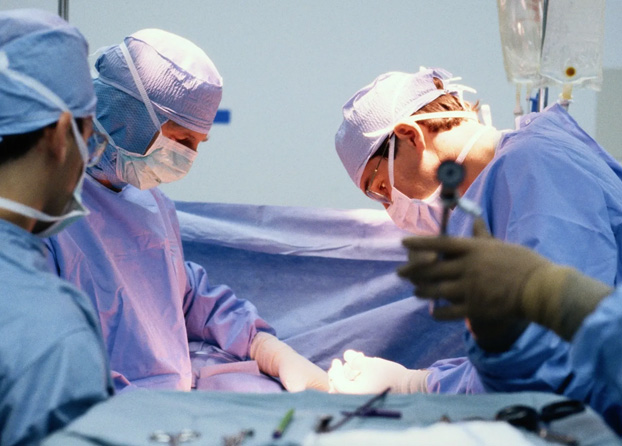
Our solutions start with a need. Patients and healthcare professionals inspire us to design medical solutions for wound management, surgery and pressure ulcer prevention. We want to enhance performance at every point of care – from the operating room to the home.
Postoperative wound dehiscence is a prominent risk faced by obese patients. Clinical observations show that the higher the body mass index (BMI), the more likely the abdominal inci...
The physiological changes the body undergoes during pregnancy involve almost every organ system, including the skin and soft tissue repair capabilities. Many pregnant women find th...
Many people with wound care experience develop a habit of loosening the tape around the dressing edges slightly or even unwrapping the outer bandage before bed, believing this allo...
Patients who have smoked for a long time or continue to smoke after surgery often have a dark red or even purplish-red wound bed and surrounding skin. Granulation tissue lacks the ...
When changing dressings, a layer of gauze is first placed on the wound, followed by an alginate dressing, then a foam dressing, and finally secured with tape or bandage. This multi...
When changing dressings, a layer of gauze is first placed on the wound, followed by an alginate dressing, then a foam dressing, and finally secured with tape or bandage. This multi...
Many people notice a pattern after consecutive all-nighters: acne breakouts aren't evenly distributed, but rather concentrated on the chin, jawline, and even the upper neck. The sk...
Wounds behind the ear are among the most difficult to fix in head and neck wounds. The skin in this area adheres tightly to the skull, with extremely thin subcutaneous tissue and a...

Longterm medical is a world-leading custom Band aids manufacturers that equips healthcare professionals to achieve the best patient, clinical and economic outcomes.
Add:No. 277, Shuangshan Road, Deqing County, Huzhou
City, Zhejiang Province, China
Tel:0086 15157187579
Copyright © Zhejiang Longterm Medical Technology Co., Ltd All Rights Reserved.

