 English
 عربى
عربى Español
 русский
 中文简体
中文简体




What should I do if the stitches crack after removal?
f the wound reopens after suture removal, medically termed incision dehiscence, there are two types. One is a superficial tear between the epidermis and dermis, resulting in a smal...
If you have any questions or inquiries, please send us an email or use our contact information. We are happy to answer your questions.
| Icon | Size |
.jpg.png) |
1.9*7.2cm |
.jpg.png) |
1.9*7.6cm |
.jpg.png) |
2*5.7cm |
.jpg.png) |
2.2*7cm |
.jpg.png) |
2.5*7.2cm |
.jpg.png) |
2.5*7.6cm |
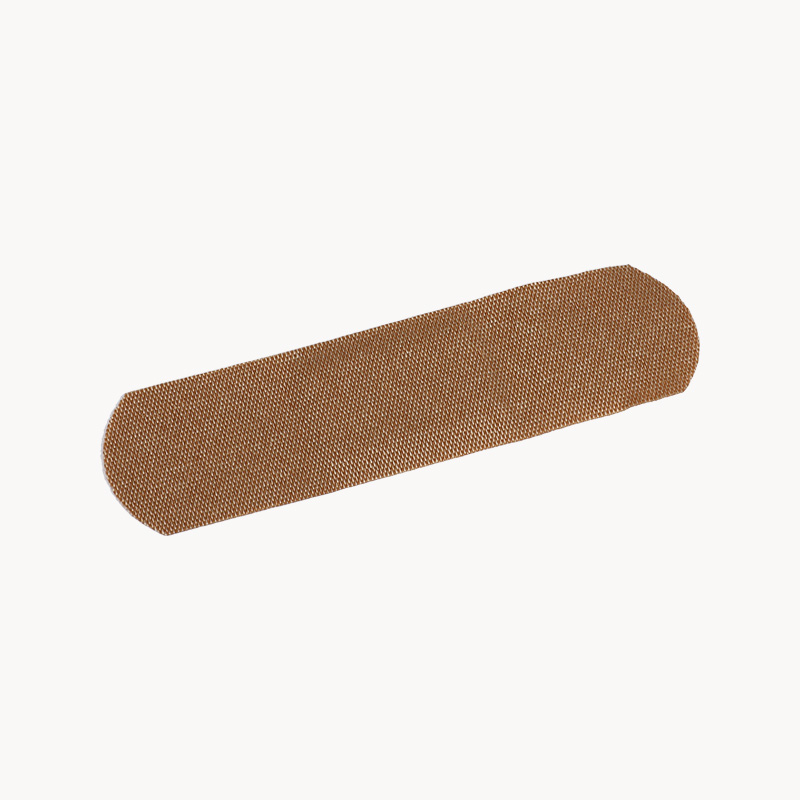
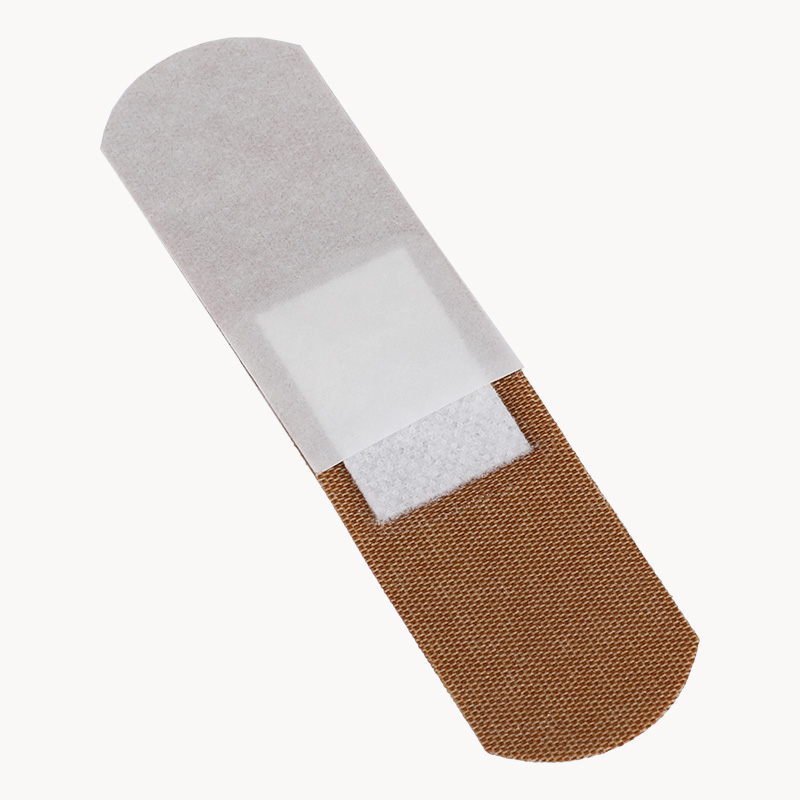
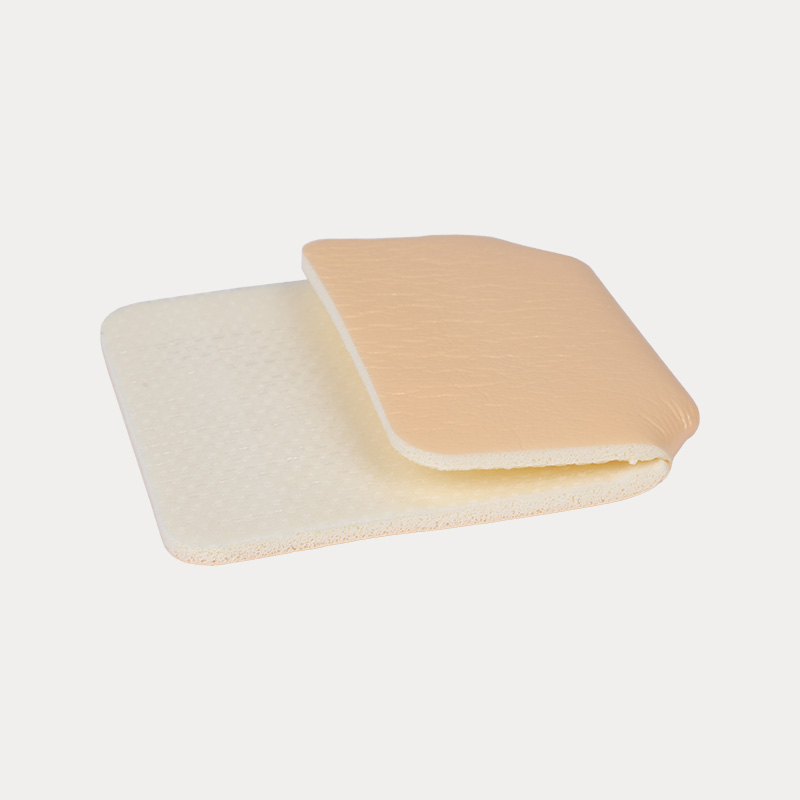
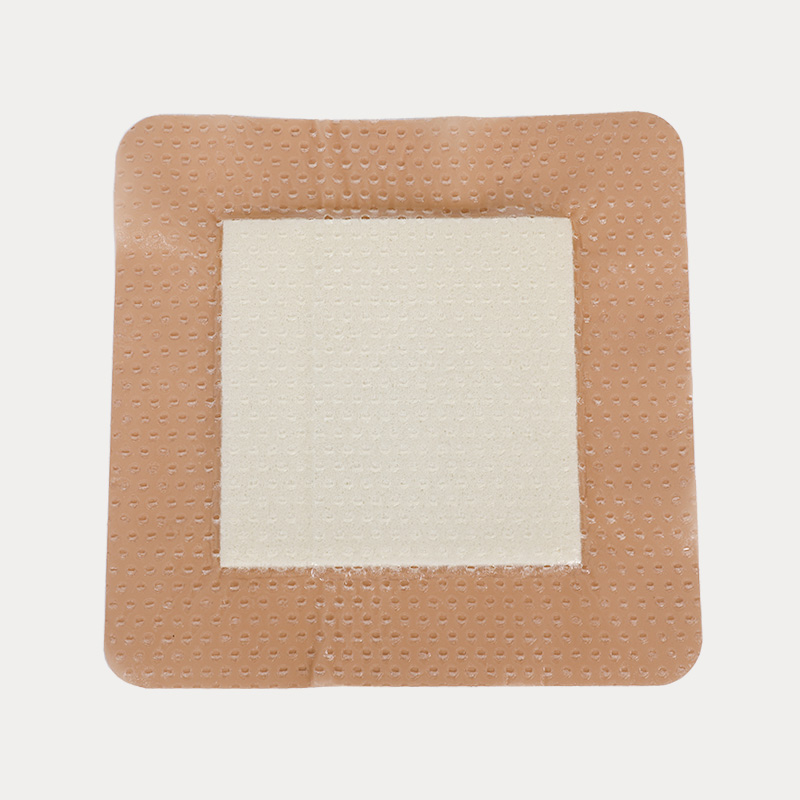
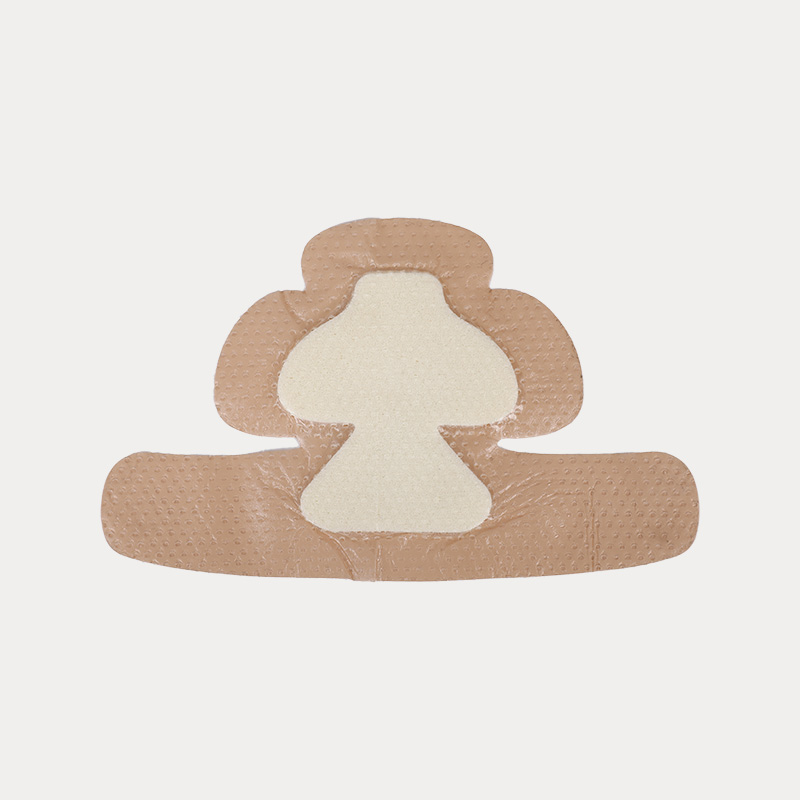
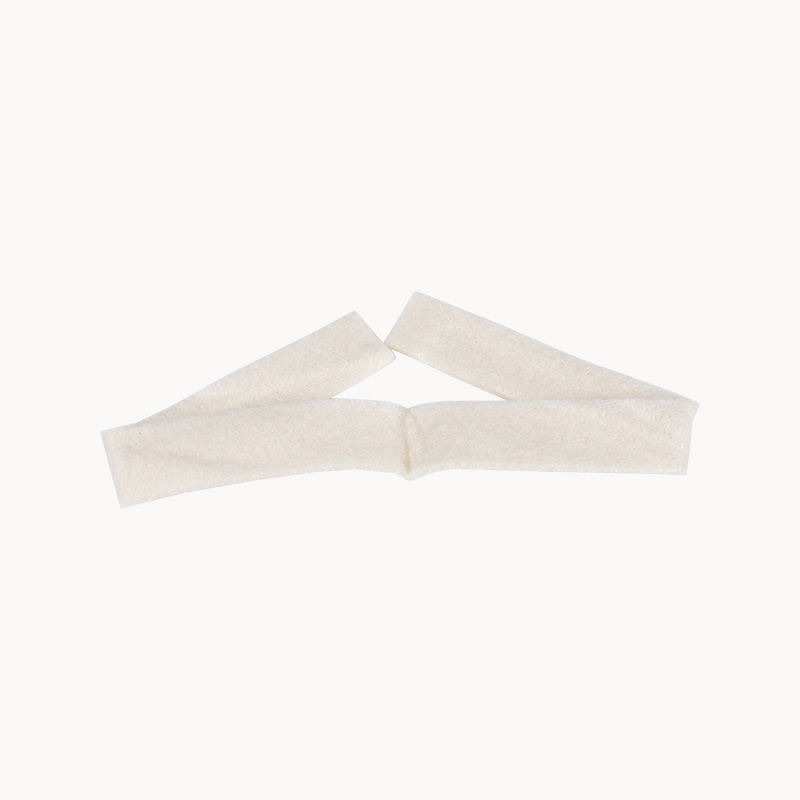
The conventional basic form of bandage is composed of tape, water-absorbing layer, and isolation layer. According to different materials, it is divided into ordinary type, breathable type, water-blocking type, and elastic type.
Band-aids should be trimmed neatly, the surface should be clean, free of stains and damage, and the adhesive tape should be evenly glued, without degumming, leaking, or seepage on the back.
The water-absorbing layer of the band aid should be located in the middle of the tape, without obvious skew or dislocation, and its isolation layer should cross and completely cover the pasting surface of the band-aid, and there should be no tape or water-absorbing layer exposed.
The water absorption rate of the water-absorbing layer of the wound sticker should not be less than 200%, the peel strength of the tape should not be less than 1.0N/cm, and the stickiness of the tape should not be greater than 2.5mm.
The water vapor penetration of the breathable wound dressing tape should be no less than 500g/m² per 24h. When the water-blocking plaster tape is tested according to YY/T0471.3-2004, there should be no water seepage. The ratio of the recovery length to the fully extended length of elastic or elastic band-aid tape should not be greater than 80%.
If the tradition band aid is sterile, it should be sterilized with ethylene oxide, and the residual amount of ethylene oxide should not exceed 10 μg/g.
Basic band aid should be free of skin irritation and can be applied to small wounds.
1. Elastic type:
it is composed of cushion, back paste and protective layer (removed before use) on the surface of the wound, and the back paste of the band-aid is composed of elastic cloth.
2. Waterproof type:
it is composed of pad, back patch and protective layer (removed before use) that contact the wound surface. The back patch of the band-aid is composed of PU film, waterproof cloth and non-woven fabric.
Scope of application:
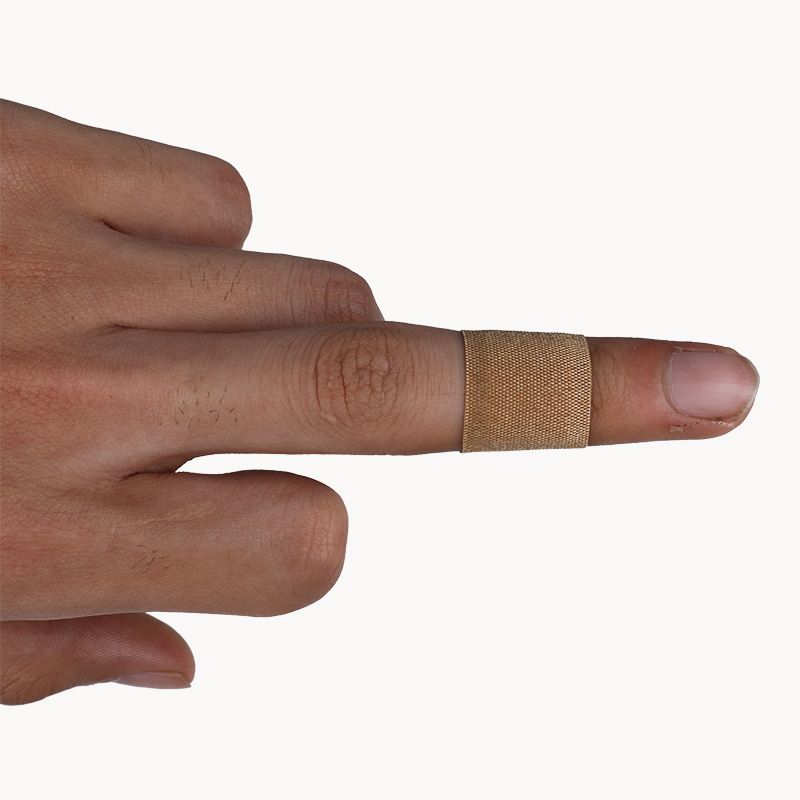
It is used for superficial small wounds and abrasions in the superficial dermis and above, providing healing environment for superficial wounds and skin injuries.
Method of use:
(Medical experts suggest: before using band-aids, sterilize wounds with cotton swabs)
Before use, first check whether the product is in the period of validity, then open the packaging in the direction shown by the arrow shown on the package, to the side of the dressing to the isolation of paper or corrugated film by peeling the lateral direction, introversion and jie put dressing pad close to the wound, after a stroked strips surface, with the other hand the other half of the remaining segregation paper or corrugated film peel, the final pressure stroke dressing surface with the hand, The adhesive surface is close to the skin.
Zhejiang Longterm Medical is a well-known China Tradition Band Aid suppliers and OEM Tradition Band Aid Company, specializing in the research and development, production and sales of high-end medical dressings. Our Tradition Band Aid have passed the US FDA certification, German TUV ISO13485 certification, CE certification.
Founded in 2012
Land area
Production capacity
National Patent
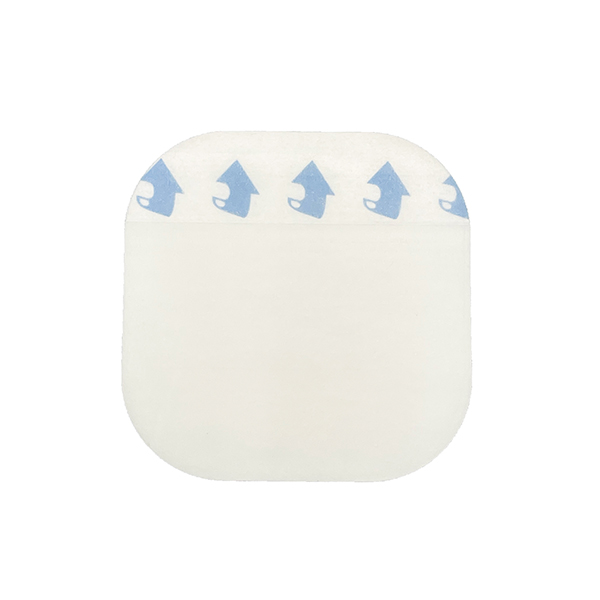
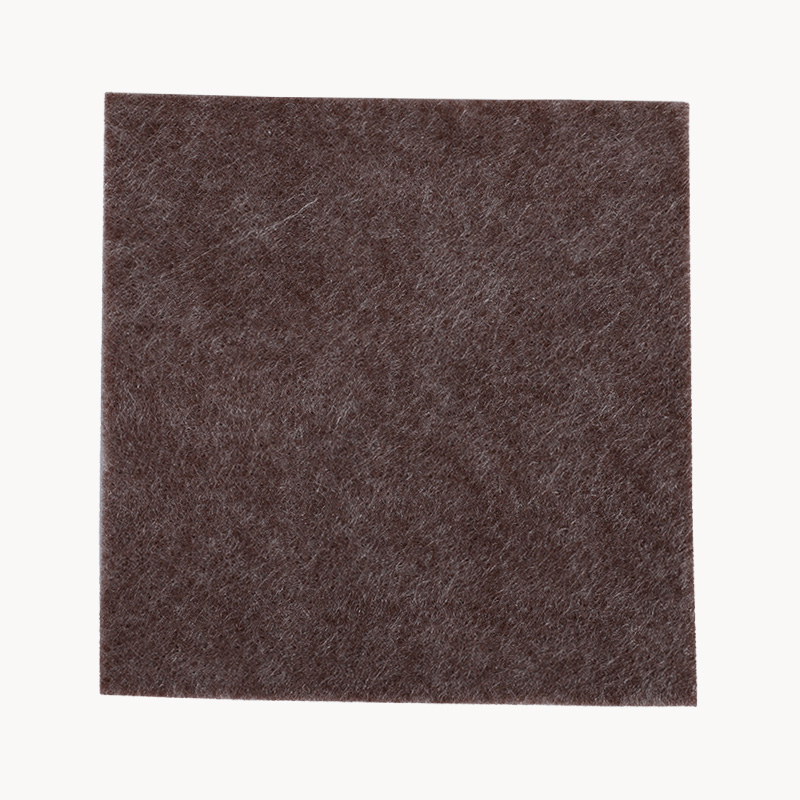
.jpg.png "Ostomy Pouch 480ML")
f the wound reopens after suture removal, medically termed incision dehiscence, there are two types. One is a superficial tear between the epidermis and dermis, resulting in a smal...
Bandaging is neither about being as tight as possible nor as loose as possible. The tightness directly determines whether the dressing can be secured, whether exudate can be contro...
Why does a wound that looks clean never heal? Some wounds appear red and healthy during dressing changes, with minimal exudate and no obvious pus, yet the area doesn't shrink for ...
Postoperative wound pain is mostly normal, but normal doesn't mean you have to endure it, nor does it mean all pain is nothing to worry about. Surgery involves cutting the skin, su...
In the first few minutes after a burn, the treatment directly determines the depth of the wound and the difficulty of subsequent recovery. Many people's first reaction is to apply ...
After being bitten by a cat or dog, many people's first reaction is to apply iodine, put on a bandage, or rush to the hospital. But the most important first step is actually rinsin...
A brown or dark mark left after a wound heals is medically known as post-inflammatory hyperpigmentation. It's not a scar, nor is it due to incomplete cleaning. Rather, it's a color...
Many people only think about intervention when the scar becomes noticeably raised, red, and itchy, by which time the optimal window for intervention has already passed. The timing ...
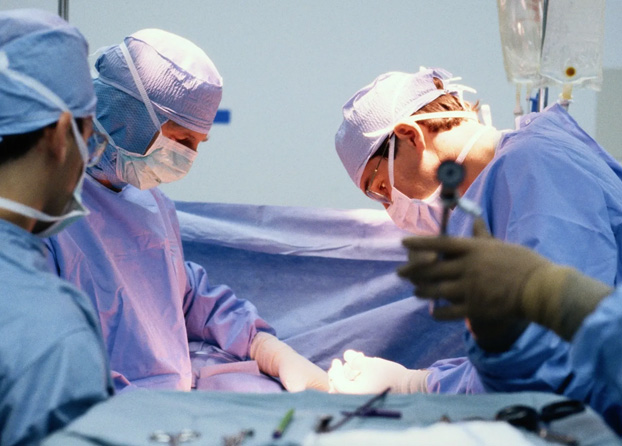
Our solutions start with a need. Patients and healthcare professionals inspire us to design medical solutions for wound management, surgery and pressure ulcer prevention. We want to enhance performance at every point of care – from the operating room to the home.
 Address
Office:No. 277, Shuangshan Road, Deqing County, Huzhou City, Zhejiang Province, China
 Phone
PhonePhone:0086 15157187579
 Email
EmailEmail:export@longterm-health.com
 Manager
Manager: Wendy shi
 Telephone
Telephone: 0086-571-88160893

Longterm medical is a world-leading OEM Tradition Band Aid suppliers that equips healthcare professionals to achieve the best patient, clinical and economic outcomes.
Add:No. 277, Shuangshan Road, Deqing County, Huzhou
City, Zhejiang Province, China
Tel:0086 15157187579
Copyright © Zhejiang Longterm Medical Technology Co., Ltd All Rights Reserved.

