
 English
 عربى
عربى Español
 русский
 中文简体
中文简体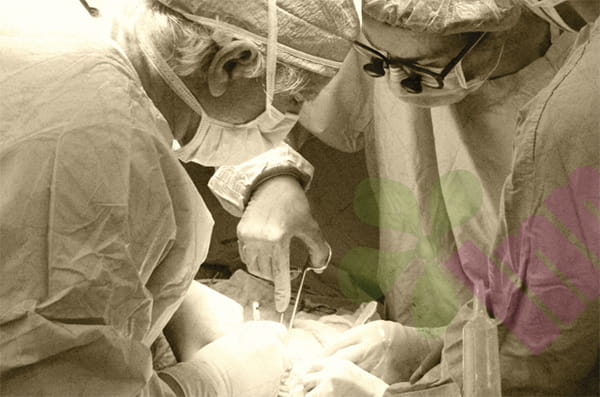






Intact fish skin provides new evidence for the treatment of burns and diabetic foot ulcers; Kerecis adds coverage for over 40 million new enrollees.
On September 3, 2026, Kerecis announced that, as clinical evidence of whole fish skin grafts in the treatment of burns and diabetic foot ulcers continues to accumulate, several national and regional insurance companies and state Medicaid programs in the United States have updated their policies, adding more than 40 million new insured individuals to the insurance coverage of the company's fish skin graft products.
Kerecis pioneered the use of sustainably sourced fish skin grafts for cell therapy and tissue regeneration. Their whole-piece fish skin grafts are designed to preserve the tissue's natural structure, creating conditions conducive to cell ingrowth and tissue regeneration. Unlike over-processed or synthetic materials, fish skin retains its own structure and biochemical components, aiding in wound preparation and reliable wound closure. In addition to burn treatment, Kerecis is also a leader in skin replacement materials for diabetic foot ulcers.
Expanded insurance coverage is driving fish skin transplantation from an innovative therapy to a more widespread clinical routine. Kerecis is now included in the policy framework of the Blue Cross Blue Shield Association, which represents more than 30 independent health plans, with more expected to follow. The company has also expanded coverage through Medicaid programs in multiple states, making fish skin transplantation accessible in Medicaid programs in almost all states. Kerecis is one of the few biotransplant solutions included in these policies, reflecting payers' growing confidence in the clinical performance and practical value of intact fish skin in tissue regeneration.
A key driver of this change is a new study on burn treatment outcomes. This study analyzed treatment data from 61 burn centers across the United States using a retrospective, propensity score-matched cohort design, with data sourced from the American Burn Association's Burn Care Quality Platform database. The study compared 465 patients who received either Kerecis whole skin grafts or treatments using products made from recombinant cross-linked collagen and synthetic polyurethane.
The study employed a generalized linear mixed model, adjusting for factors such as age, sex, total burn area, burn severity, inhalation injury, and trauma diagnosis. Results showed that patients receiving intact fish skin treatment had a significantly shorter hospital stay (24.2 days) compared to the control group (33.5 days). The intact fish skin group also had lower rates of sepsis, transplant failure, venous thromboembolism, and hospital-acquired pressure ulcers. Specifically, the transplant failure rate was 3.2% in the intact fish skin group and 8.3% in the synthetic material group.
Kerecis founder and CEO Fetram Sigurjonsson stated that payers' evaluation methods for biologics are undergoing a significant shift, with health insurance coverage decisions increasingly emphasizing clinical efficacy, practical applicability, and the potential to alleviate the subsequent burden on the healthcare system. Fish skin transplantation resonates with these aspects. He added that health insurance coverage determines whether innovative technologies can truly be applied, and coverage is now catching up with clinical experience, which is expected to accelerate the widespread adoption of these technologies.
Dr. Gunnar Johannsson, Senior Vice President and Medical Director at Kerecis, pointed out that major payers require solid evidence that biologics can reliably promote tissue regeneration. Efficacy data for the most severe ulcers have set new clinical benchmarks, and this significant differentiation is key to driving health insurance coverage decisions.
Source: Kerecis
.jpg.png "Ostomy Pouch 310ML")

.jpg.png "Colostomy Pouch 350ML Closed")


